CSRG at Sonoma: Feeling the Love

DSC_0374

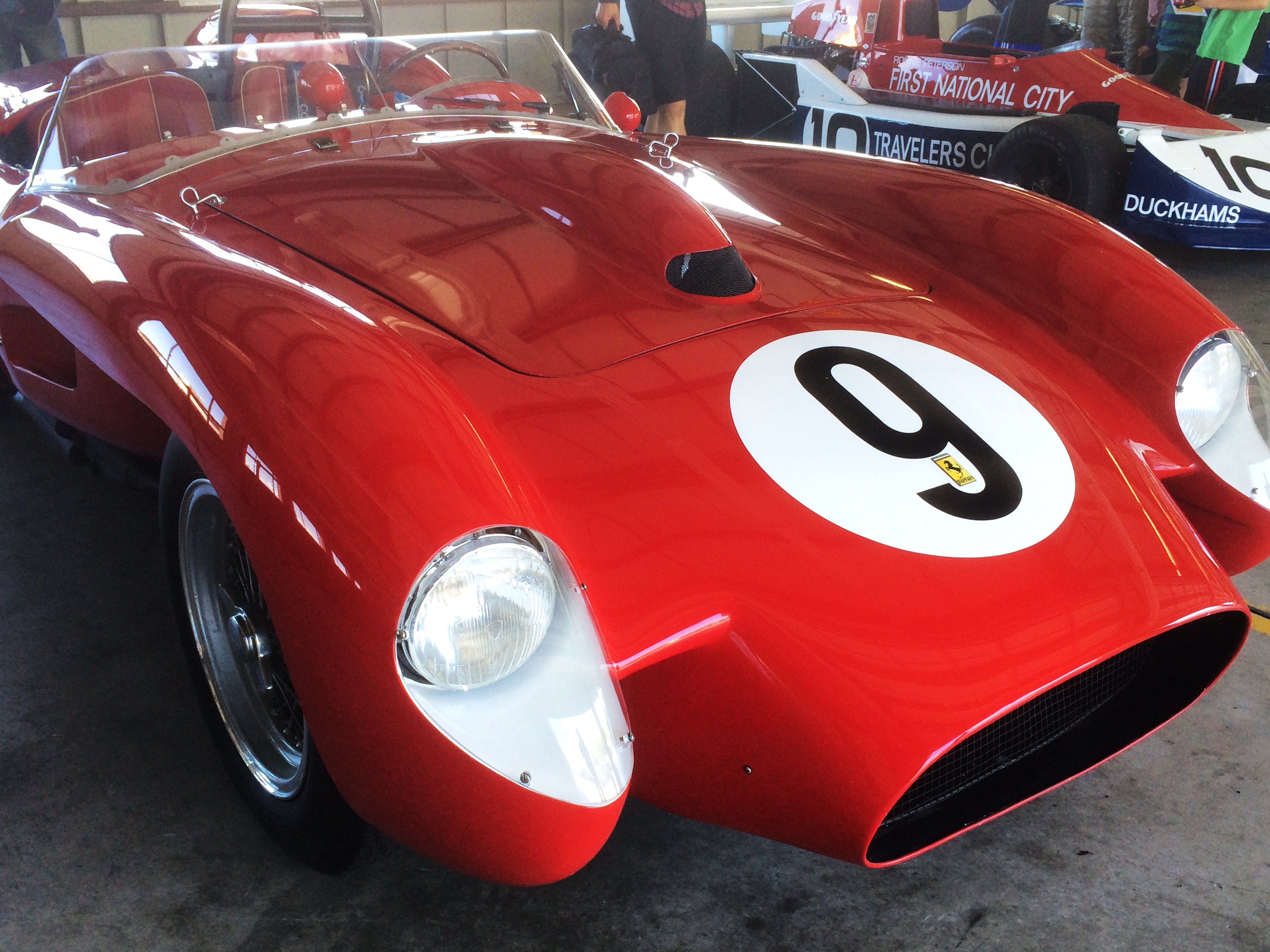
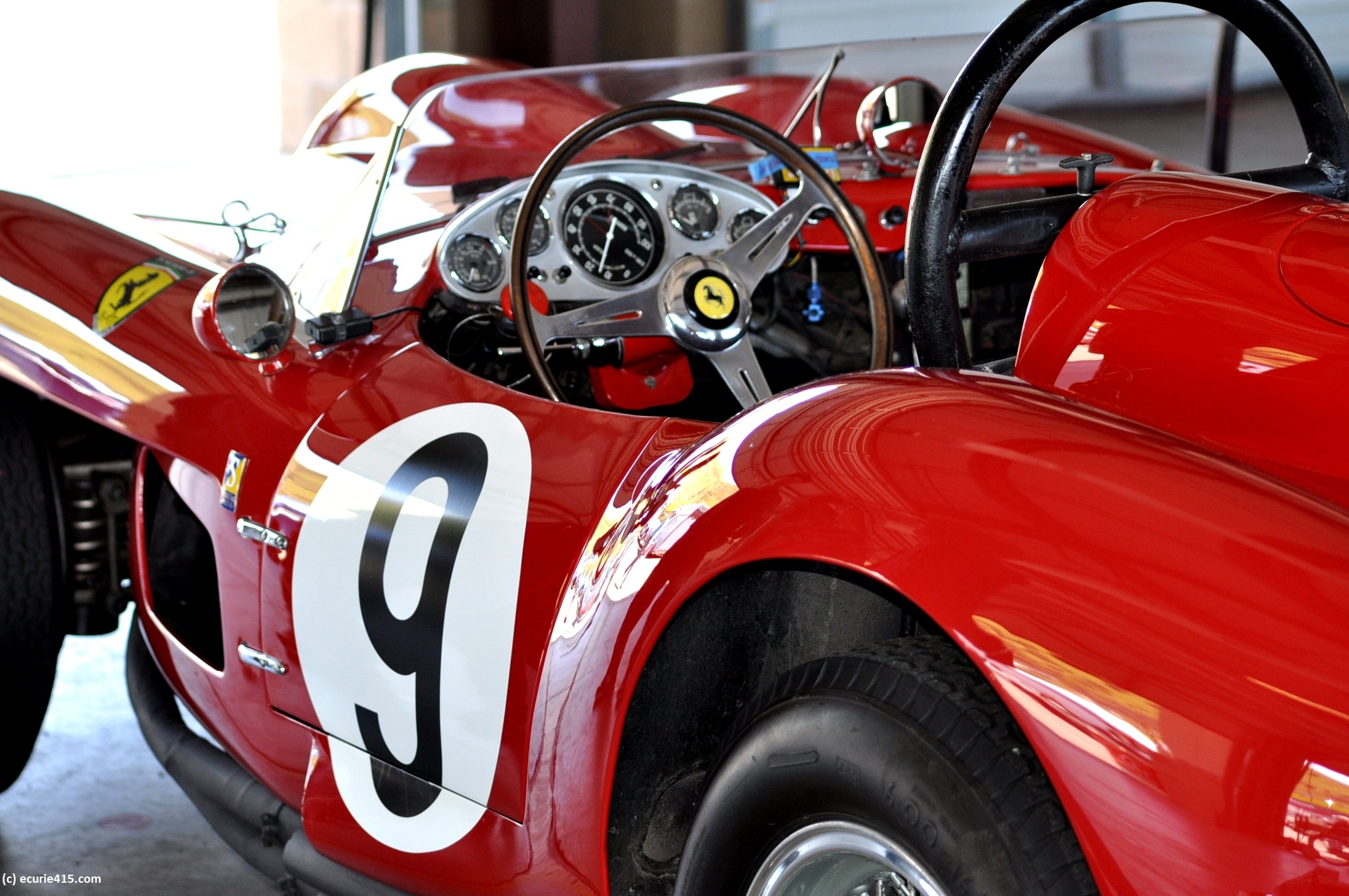
David Love raced historics with vigor and enthusiasm, and when he lost his battle with Parkinson’s disease, the vintage racing world mourned. The Classic Sports Racing Group dedicated its spring Sonoma race to Love, who was instrumental in forming the CSRG in the late 1960s. Reflecting Love’s passion for Ferrari, each car entered in the event bore a prancing horse on its flanks, “racing with Dave” one last time.

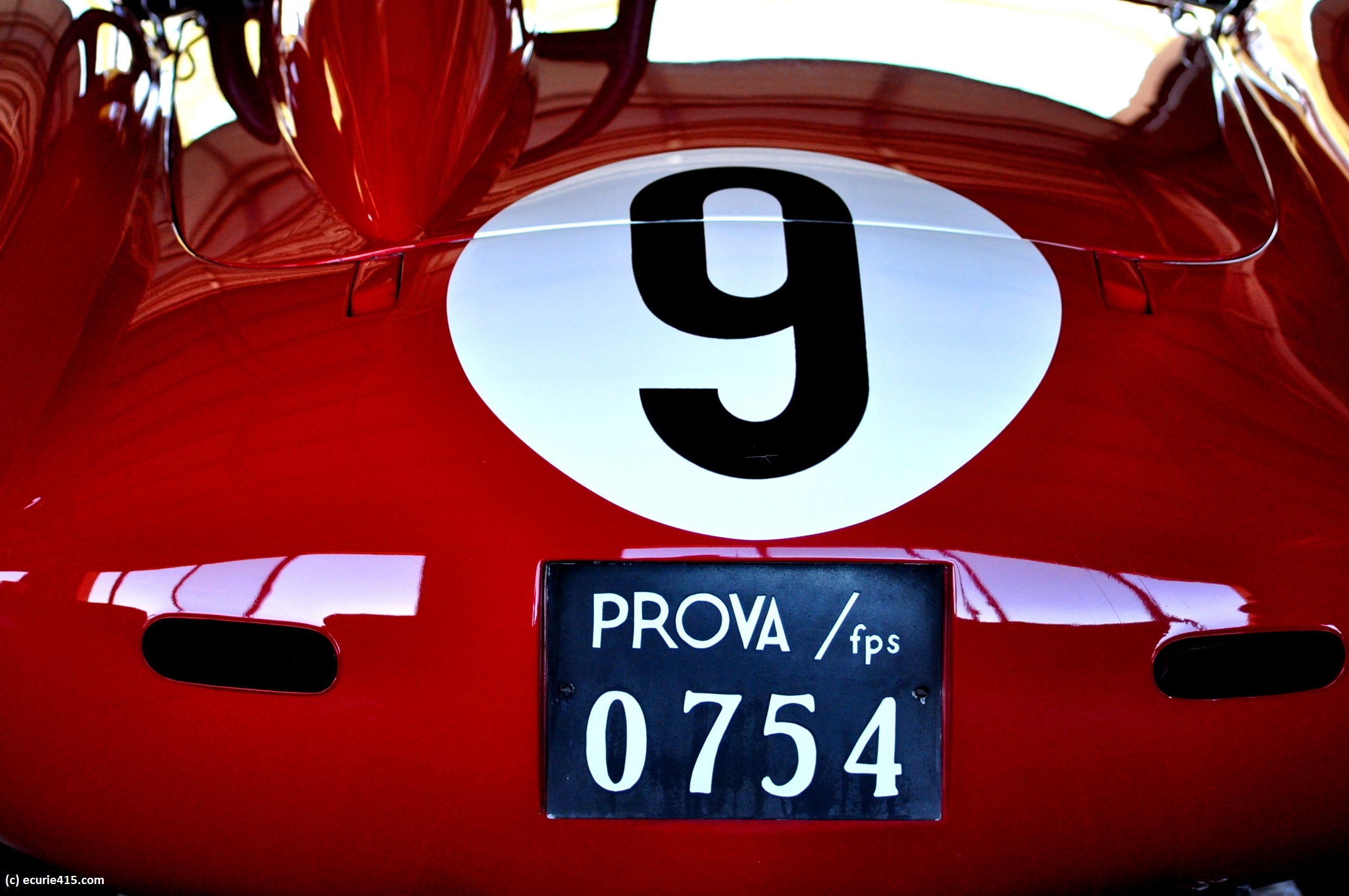
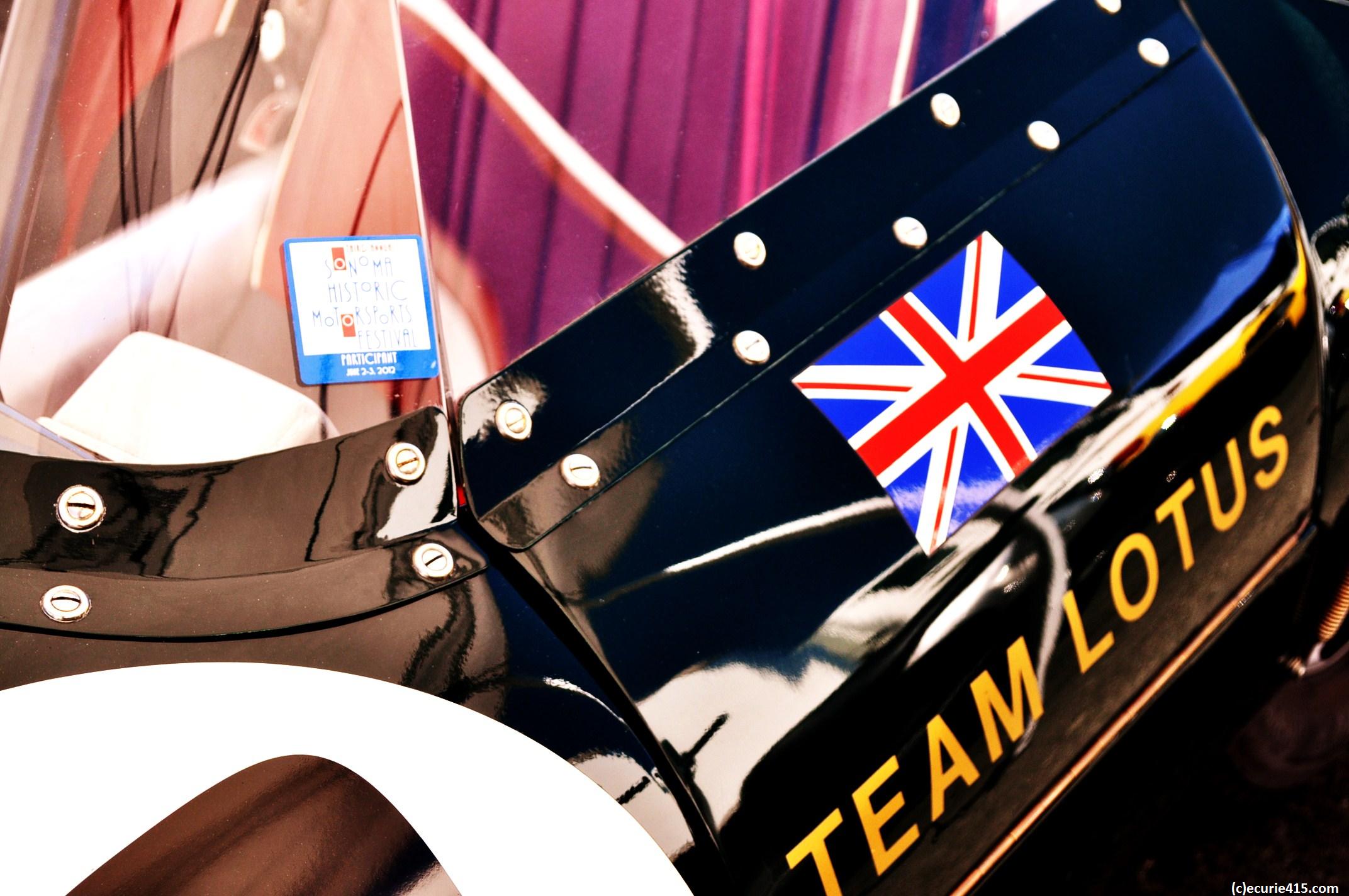
Love’s own 1957 250 Testarossa was a centerpiece in the garage.  Love raced it with gusto in historic events throughout California, after an earlier career as an SCCA racer.  At the Sonoma opener, the 250 continued to draw a steady stream of admirers despite being parked next to Tyrrell and Lotus F1 cars. Stop back for more photos from the CSRG opener in the coming days.
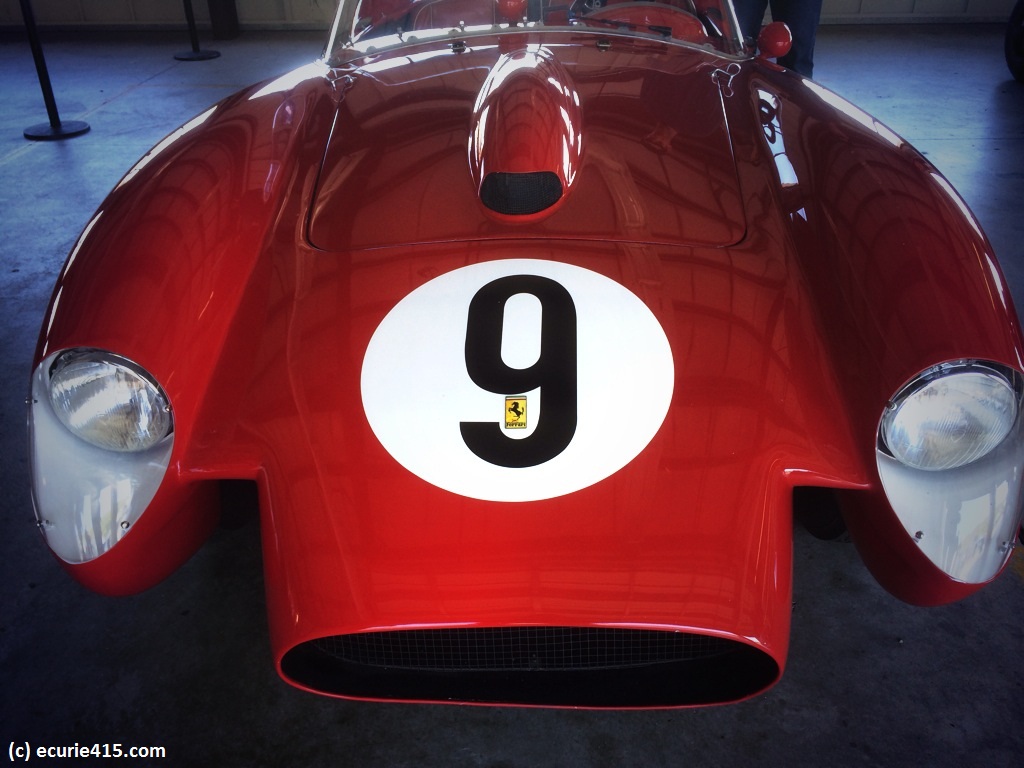
photo (2)

DSC_0443

photo (3)

DSC_0375

Spring fling at Sonoma

Lotus 11

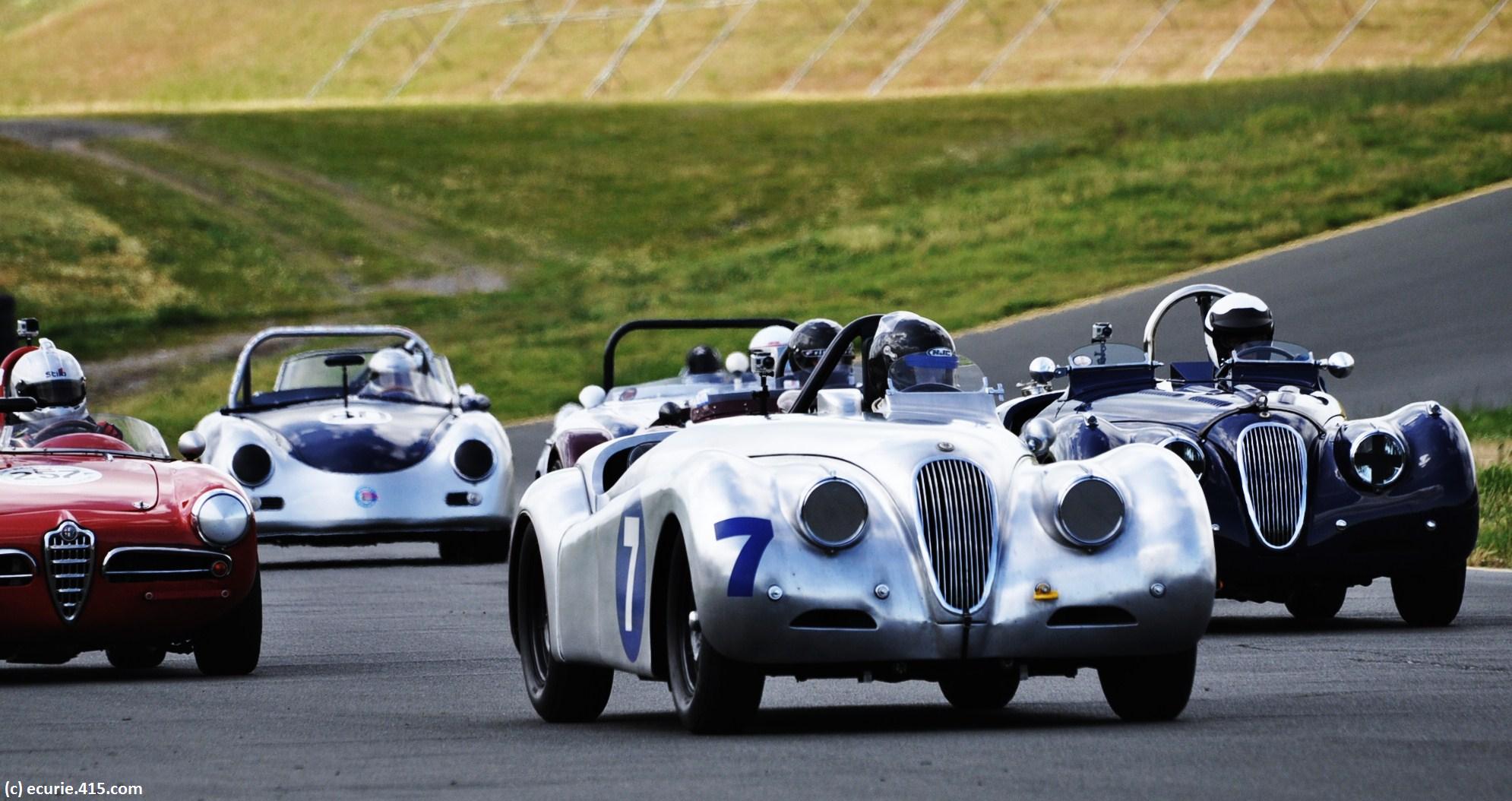
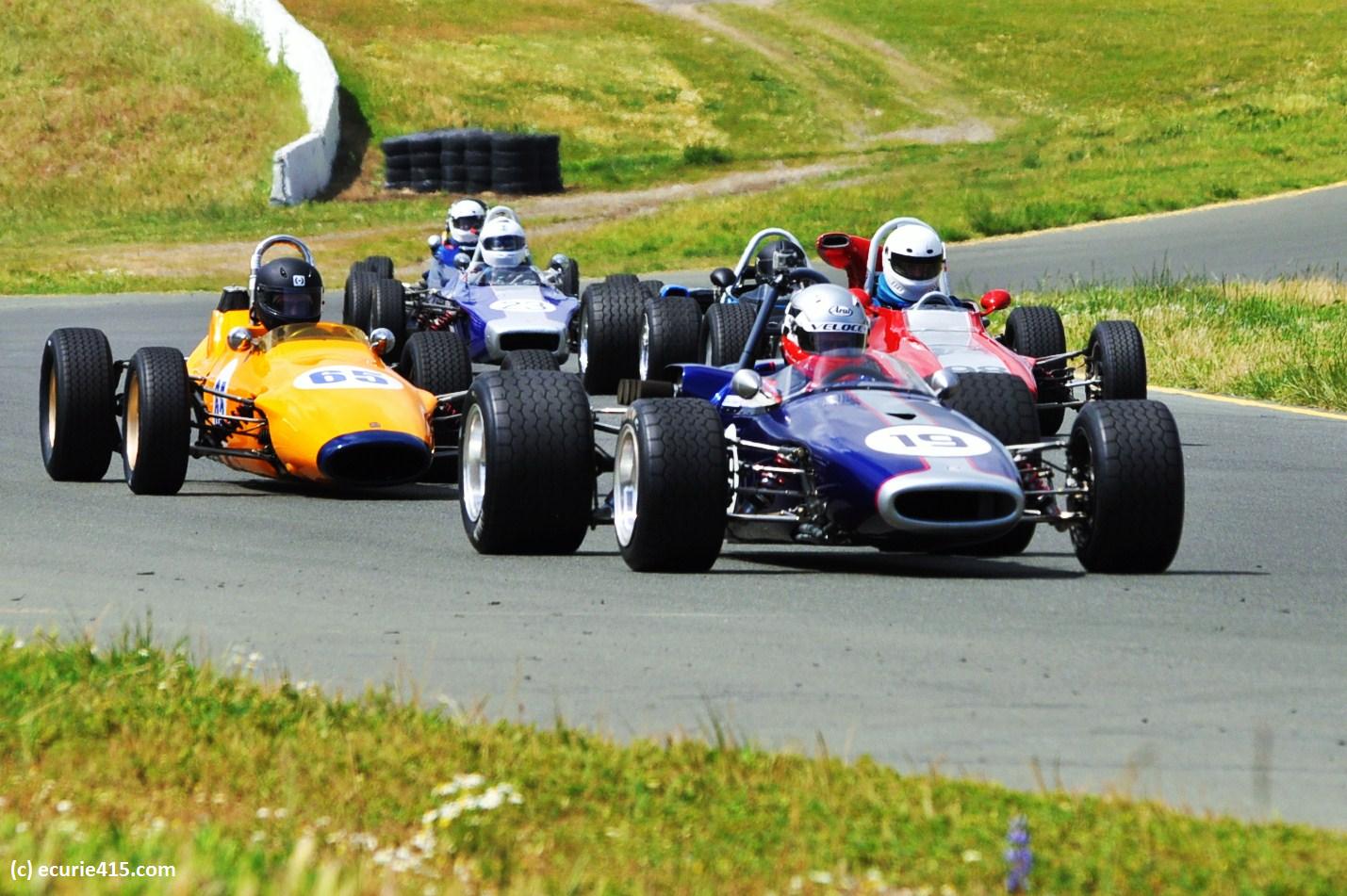
I’m forever grateful to the dedicated men and women who keep historic race cars running.  Not content merely to polish and preserve, these owners aren’t afraid to let their cars get dirty (like the lovely Lotus 11, above).  The historic season starts at Sonoma this weekend with the opening round of the Classic Sports Racing Group. Members of the CSRG take over the twisty wine country circuit for two days, racing on Saturday and Sunday with an amazing field of machines ranging from 1950s sports cars to disco-era single-seat formula cars.

DSC_0816

The Mighty Marcos


MarcosGT3

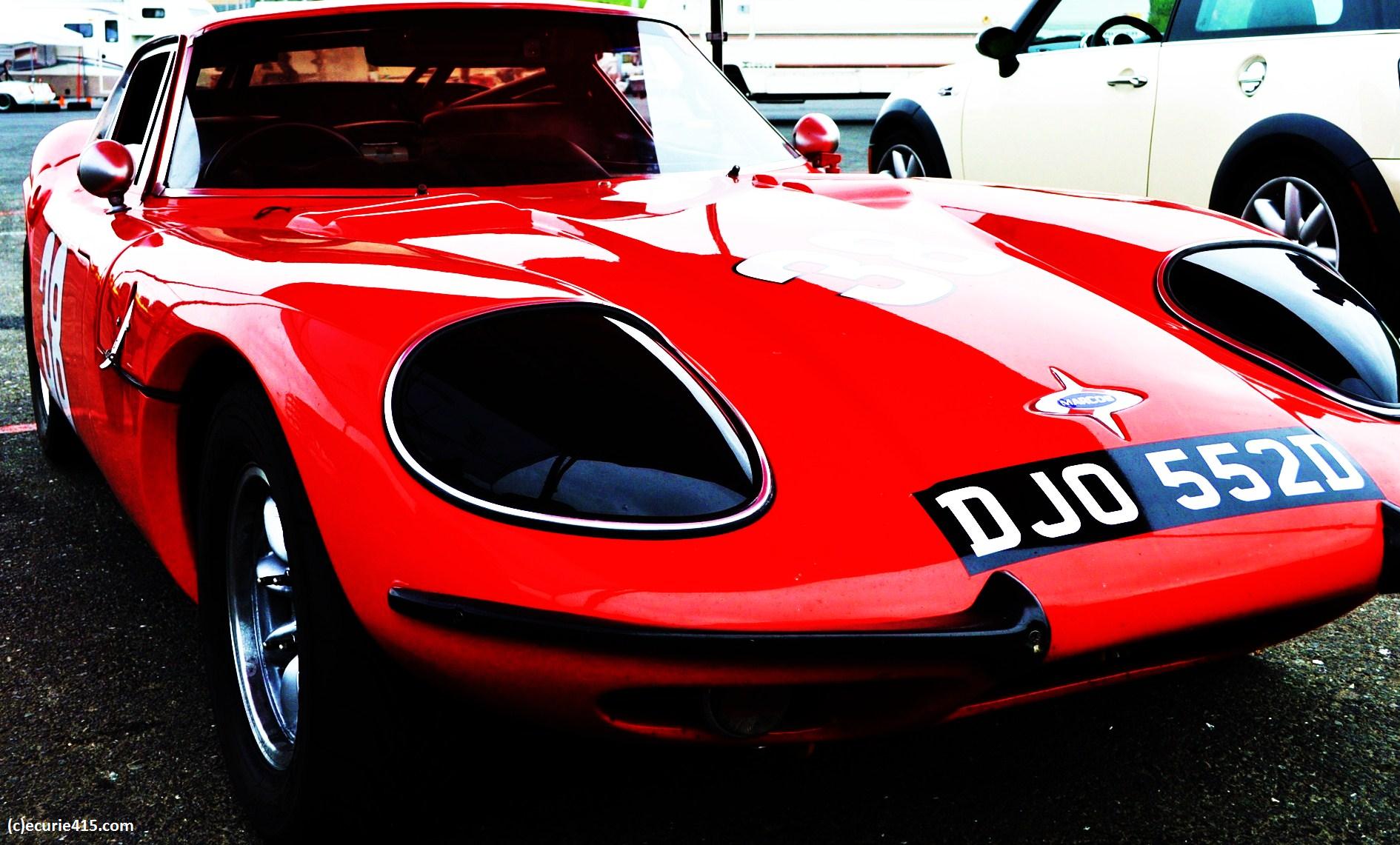
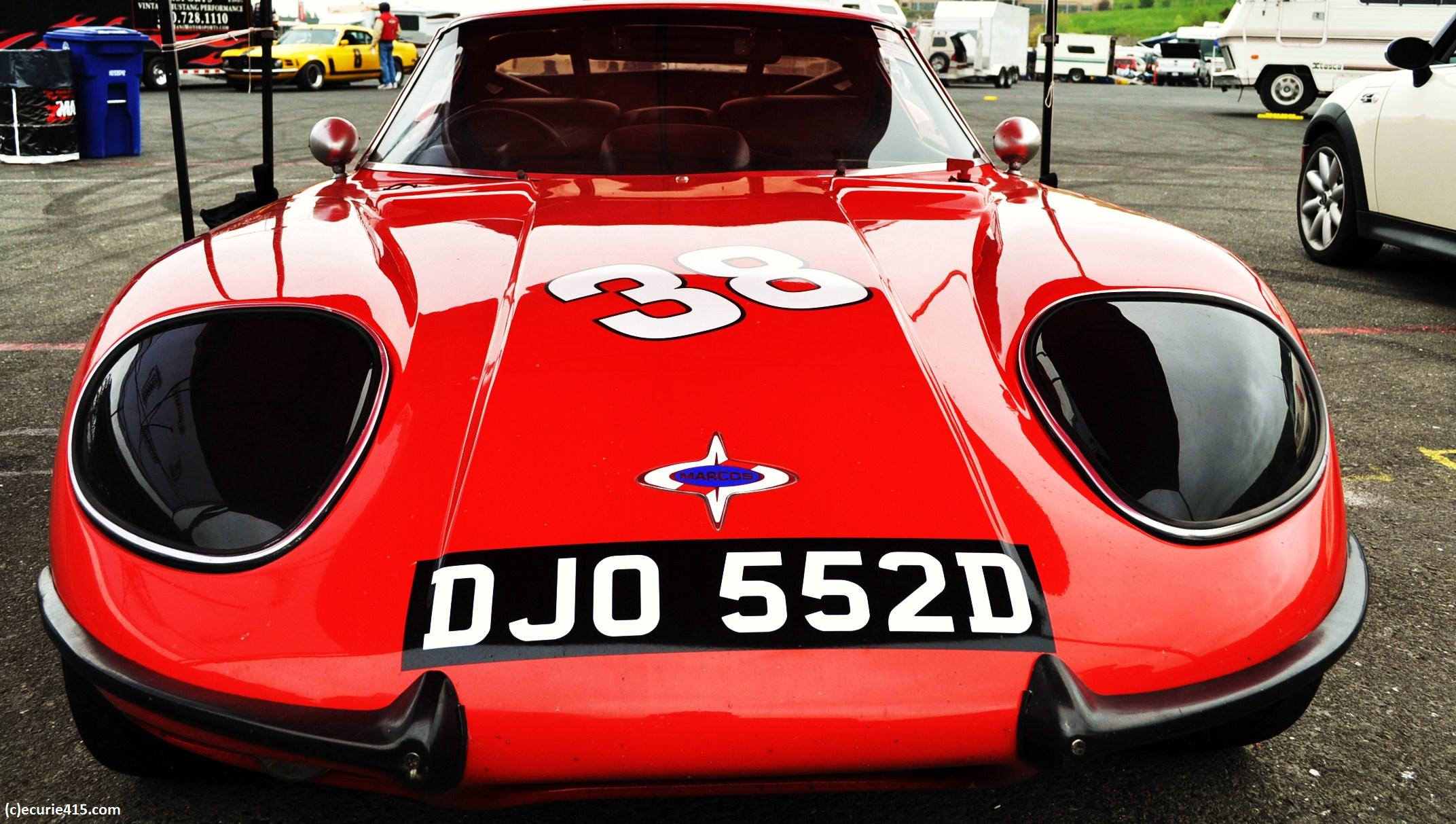
Marcos cars are rarely seen in North America, but that’s our loss. In its heyday, the company produced a small number of cars annually until production stopped for several years in 1971.  That still leaves us with models like the quirky but stylish GT 1800, and the pugnacious Marcos Mini.

The company was founded in 1959 by Jem Marsh, with co-owner Frank Costin soon to join.  The early cars, including the GT 1800 (above), were constructed with a wood frame (!), but later versions incorporated steel frames and used Volvo or Ford engines.  The design steals a bit from contemporaries like the Jaguar E-Type, but on a smaller scale.   Typical British sports car ingenuity. The company later resumed production but it always remained a niche player.

By contrast, the Mini (below, and at bottom) – which debuted in 1965 – is a tad brutish.  With its round edges pushed up in the boot and bonnet, the kit car lacks a little bit of the grace in other minis, such as those made by Morris and Cooper.  It is renown as the only British runner to finish the 24 hours of Le Mans in 1966. But the very rarity of the Marcos makes it worth a second look.

MarcosMini2

The Marcos GT. (Photo: S. Bloom)

MarcosMini


Retro Rosberg

DSC_0727

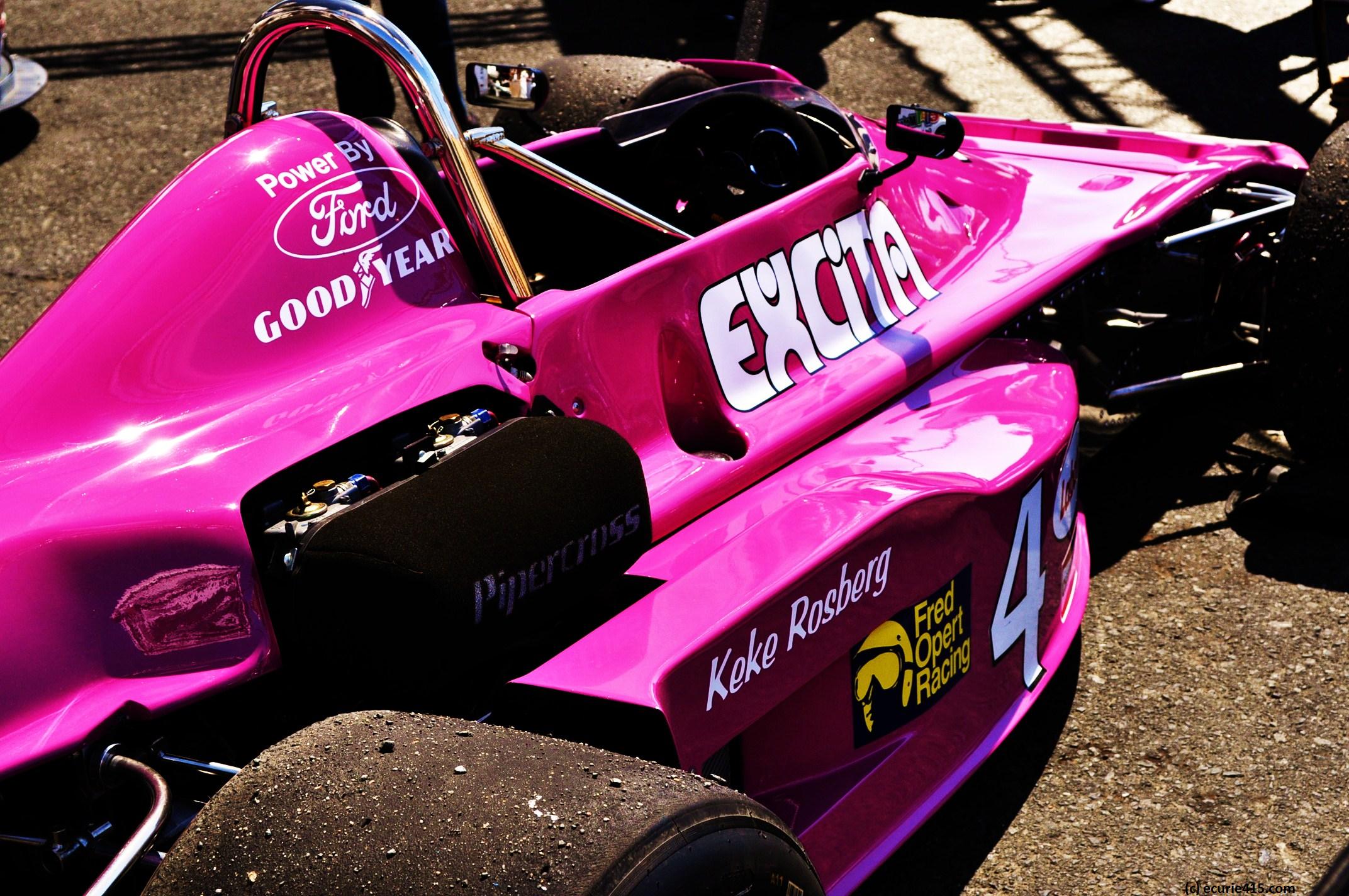
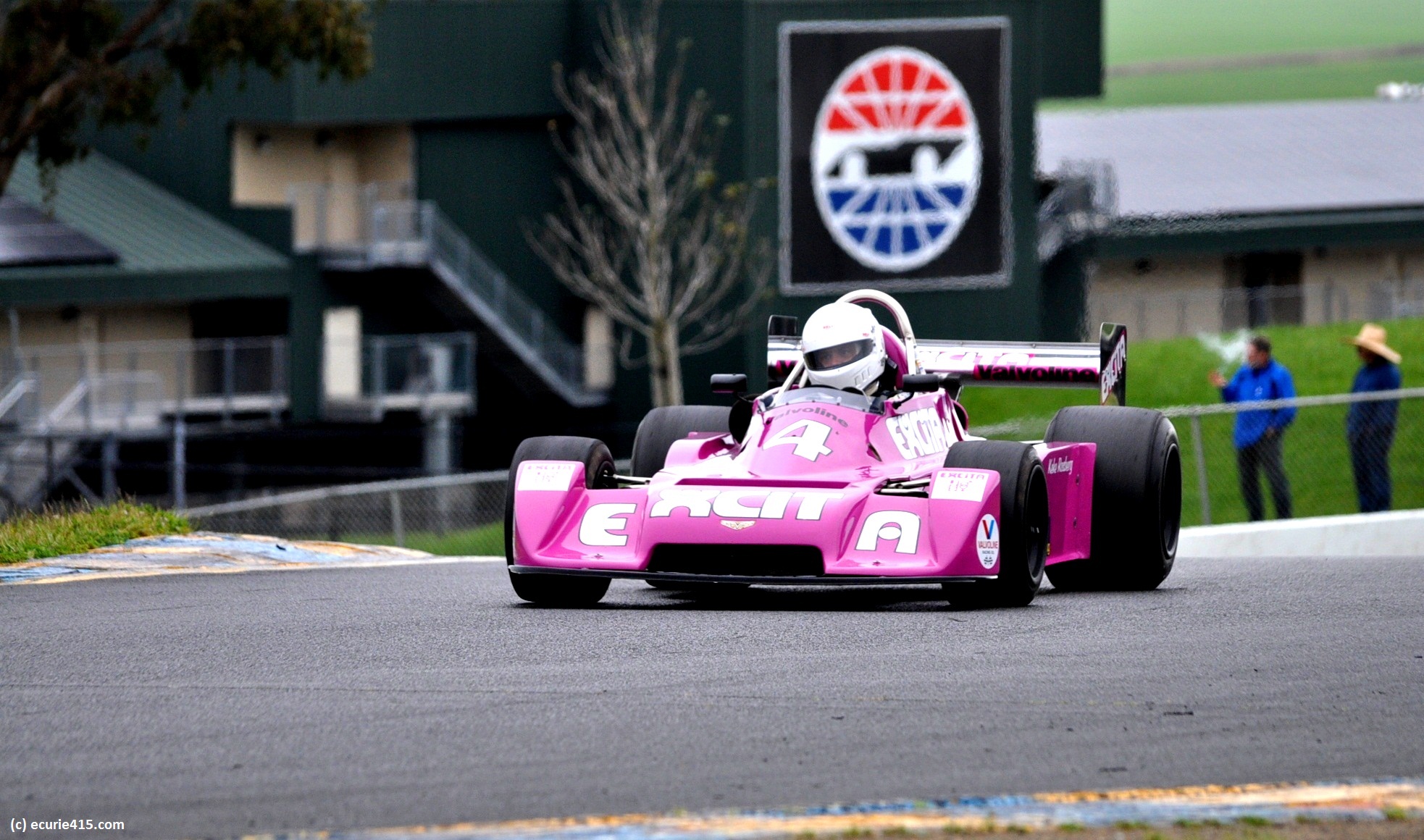
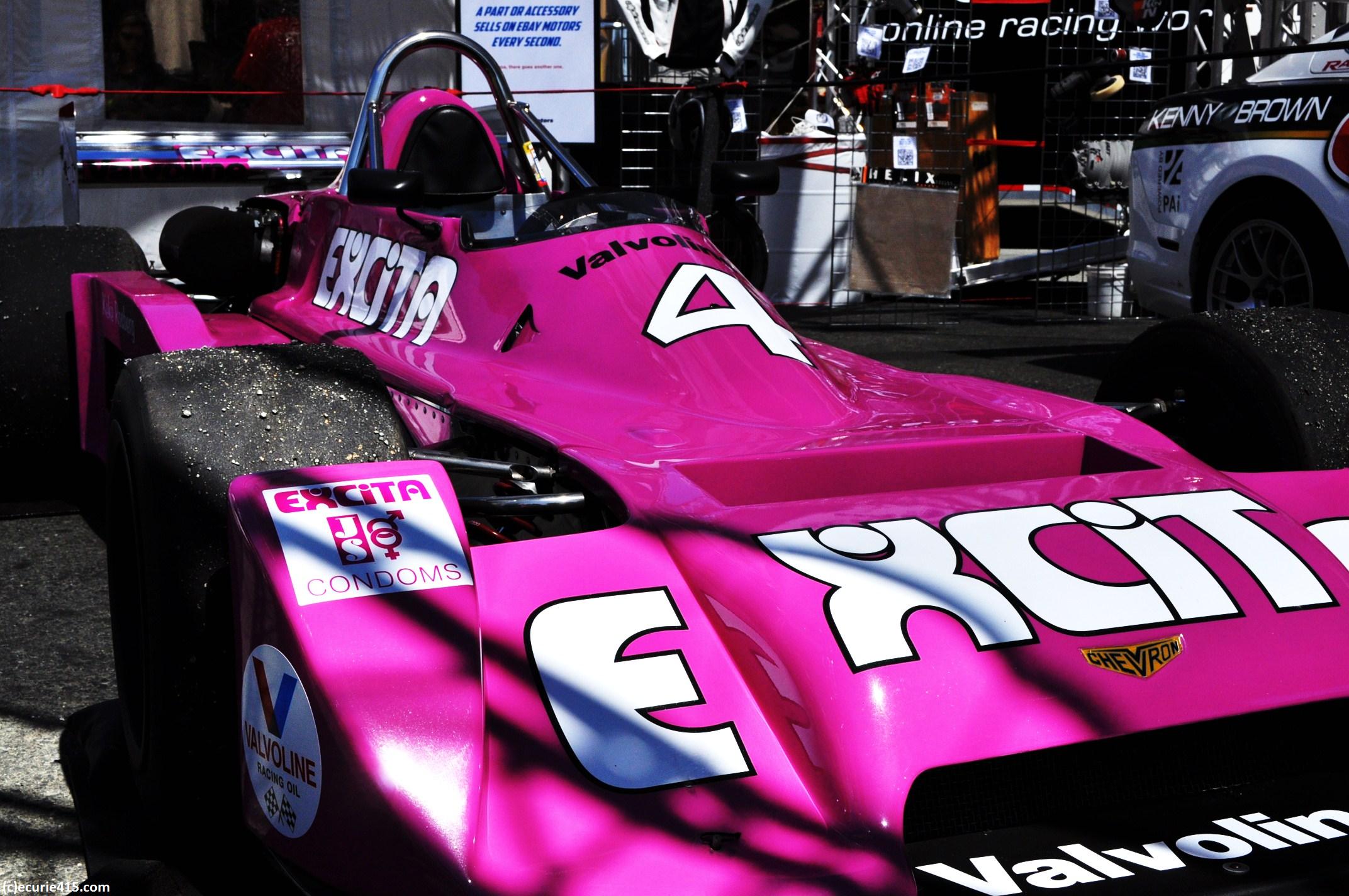
Nico Rosberg’s win at Melbourne brings to mind father Keke’s lurid Formula Atlantic car, painted pink and sponsored by a condom company.

The car, a Fred Opert-run Chevron B39, was Keke’s mount in 1977, an incredible season that found the Swede battling with Gilles Villeneuve and Bobby Rahal.  Read more about it in Gordon Kirby’s excellent career retrospective.  Rosberg, Rahal and Villeneuve all ran at the front, with Villeneuve winning the championship ahead of Rahal, Bill Brack and Rosberg. Others who raced Atlantics that year included Didier Pironi, Jacques Laffite, Price Cobb and Patrick Depailler.  An unbelievable group of young drivers, all of whom made their mark in later years.

But the fact is, this is a stunning relic from the disco era, a bordello on wheels.

Keke Rosberg's Purple People Eater. (Photo: S. Bloom)

DSC_0724

DSC_0725

DSC_0595

Aussie Rules: Brabham

A 1966 Brabham BT18, F2. (Photo: S. Bloom)

A 1966 Brabham BT18, F2.

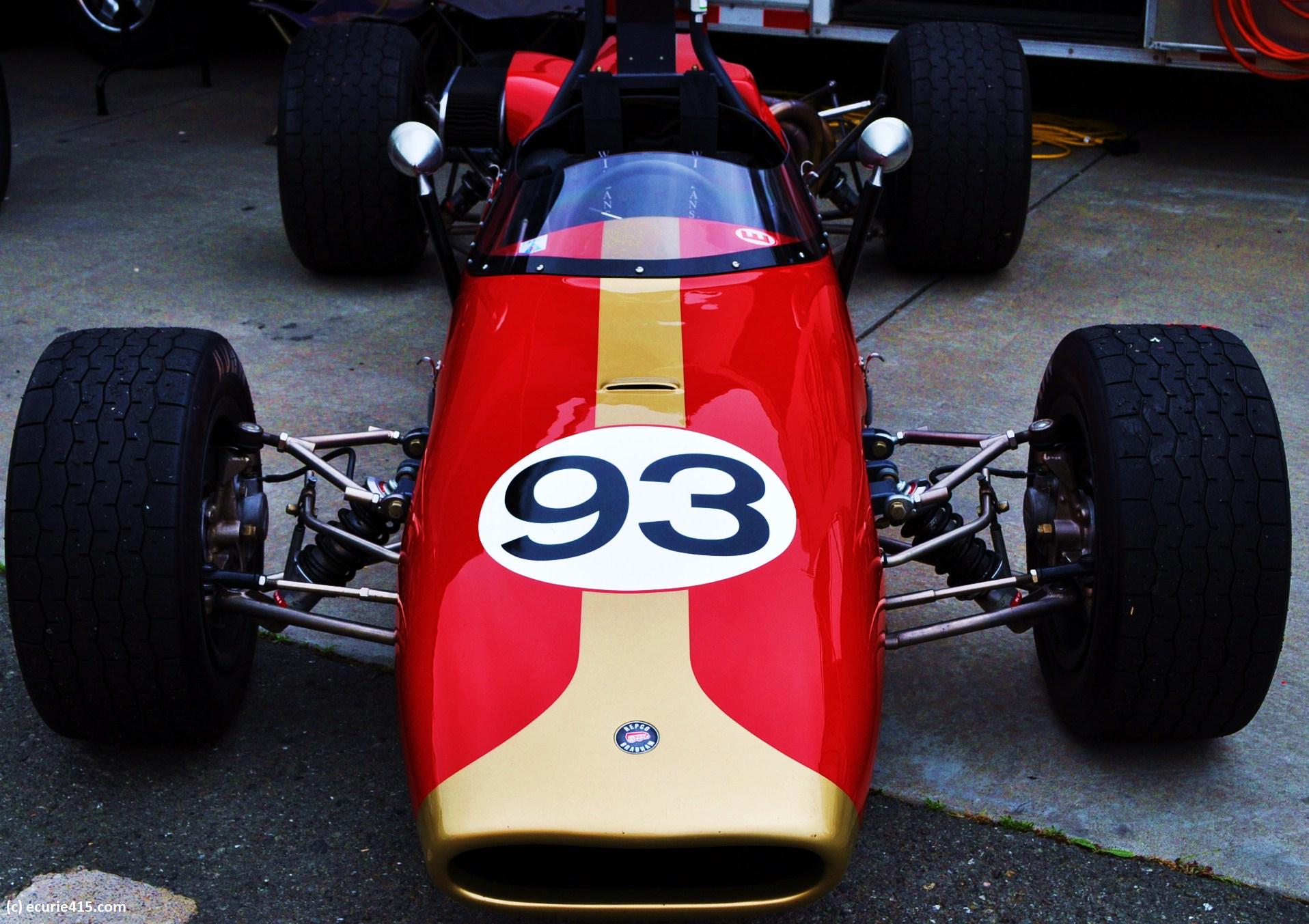
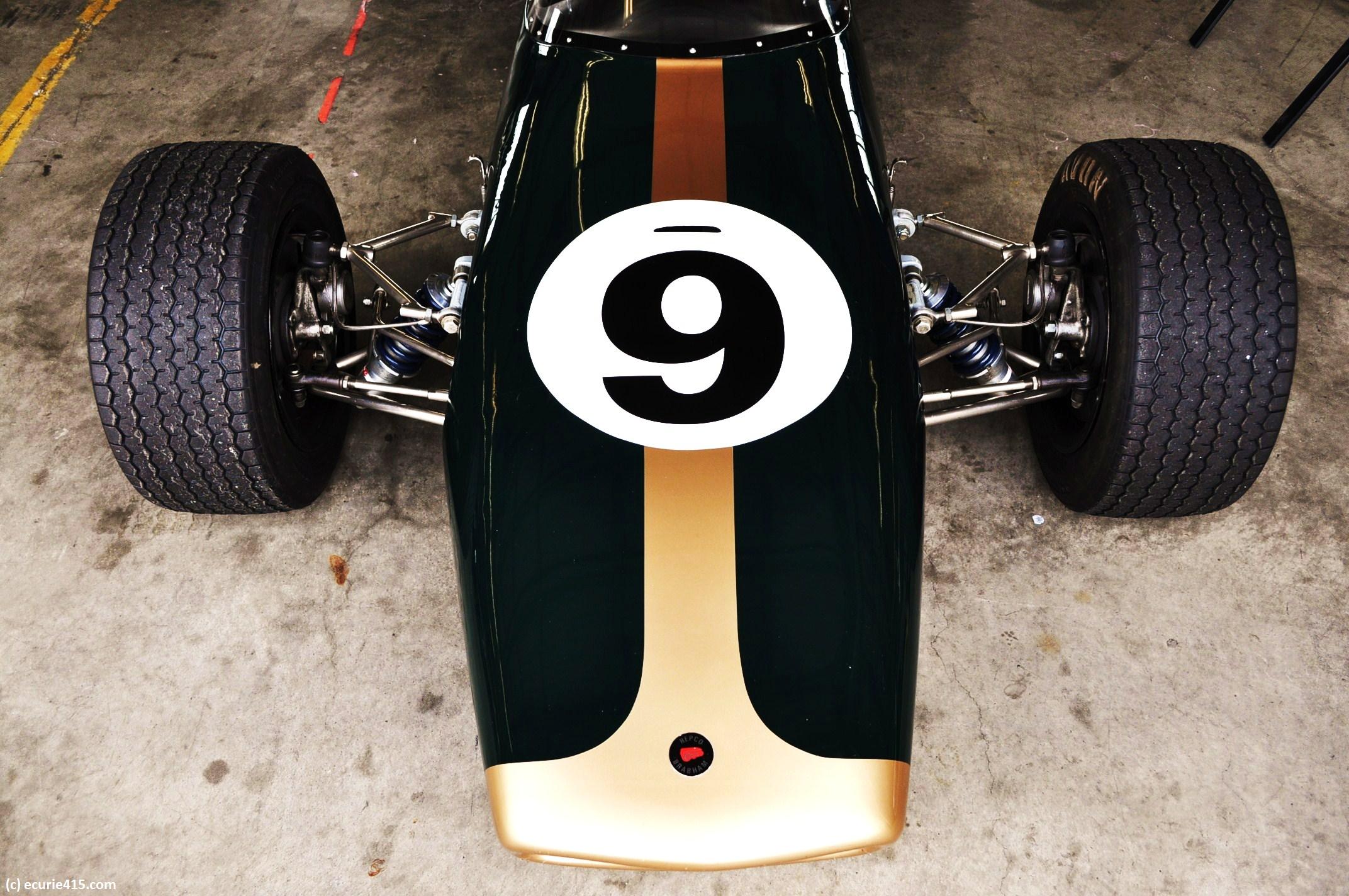
The Australian GP immediately brings to mind Sir Jack Brabham, a three-time F1 driver’s champion and a world-class car constructor in his own right. “Black” Jack wasn’t content winning the F1 driver’s championship in someone else’s car, so he formed Motor Racing Developments with designer Ron Tauranac. Together, they built some of the world’s best open wheel race cars in the late Sixties and early Seventies.  If you wanted a competitive, off-the-shelf racer, Brabham was your ticket.  Brabham won another title as a driver/owner in 1966, and Denny Hulme won the championship for Brabham the following year.

Brabham built cars for F1, F2, Formula Ford and sports car racing.  The team was later sold to Tauranac and Jack retired from both sport and business. Most of the cars are raced competitively today, sturdy and accessible grand prix cars for weekend racers. You can see them in action at the Classic Sports Racing Group Opener, at Sonoma on April 4-6. They sound spectacular and look fantastic.

1971 Brabham BT35, F2 (Photo: S. Bloom)

1971 Brabham BT35, F2 

1965 Brabham BT18, F2 (Photo: S. Bloom)

1965 Brabham BT18, F2 

DSC_0717

Orange is the new black

DSC_0872

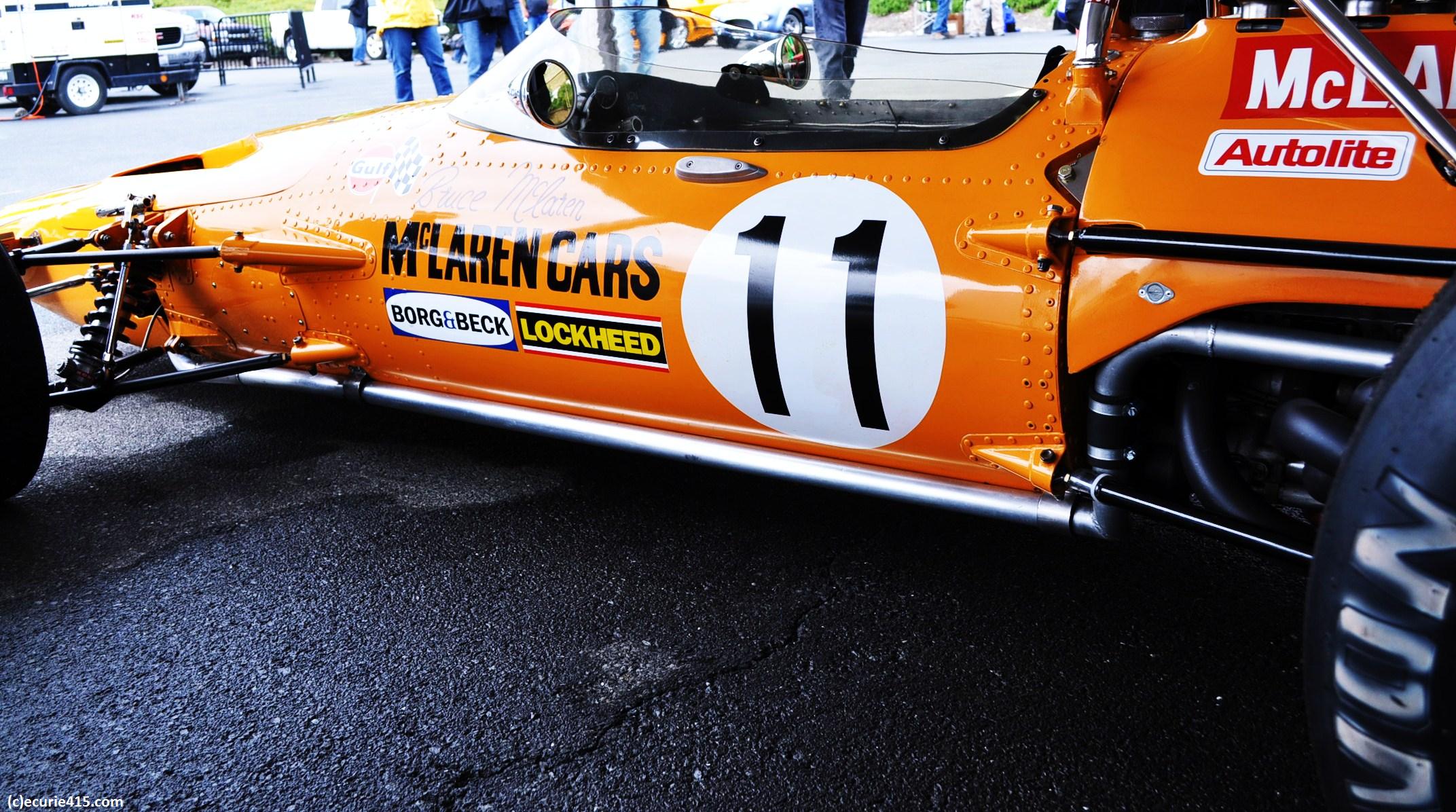
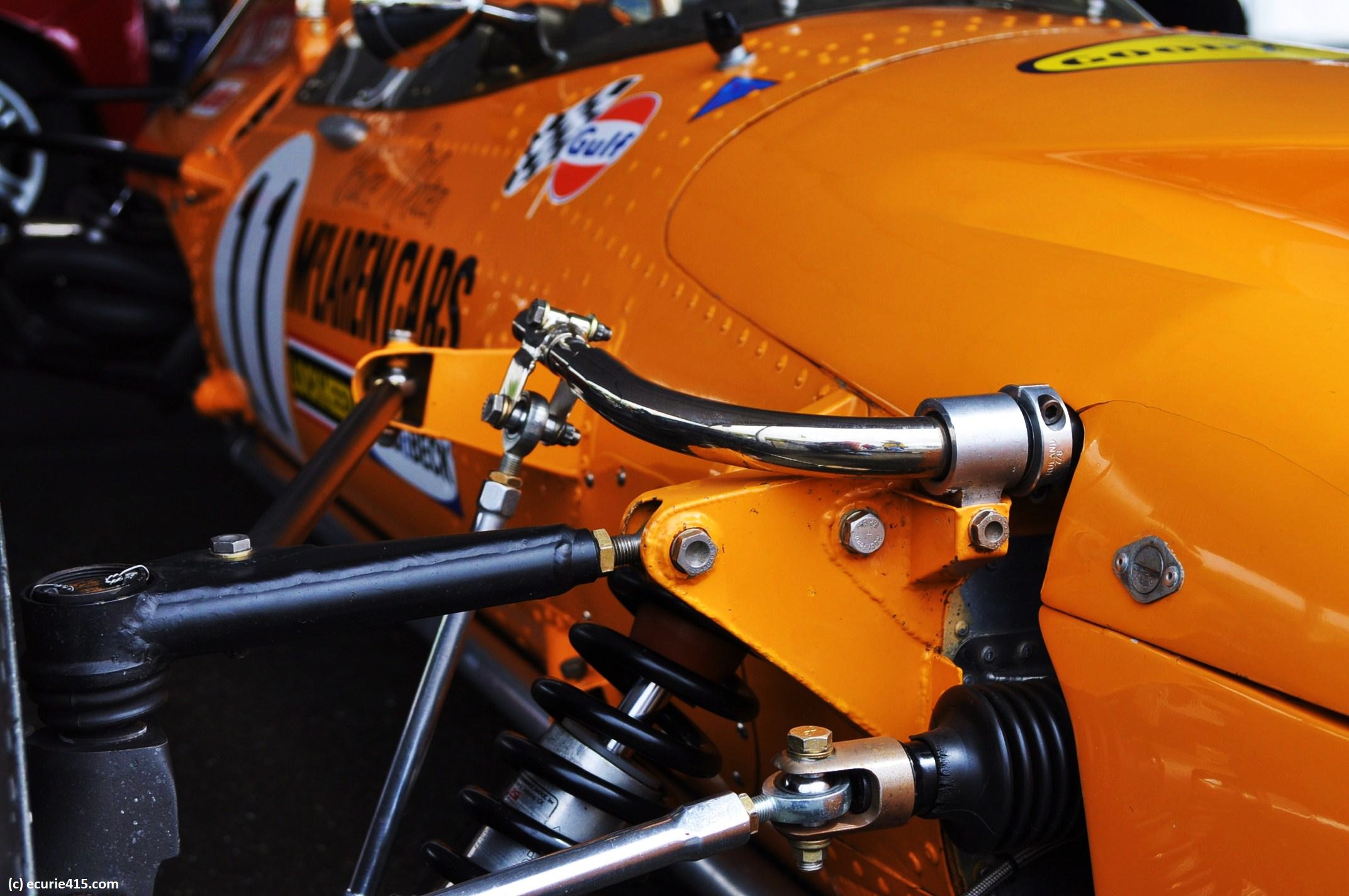
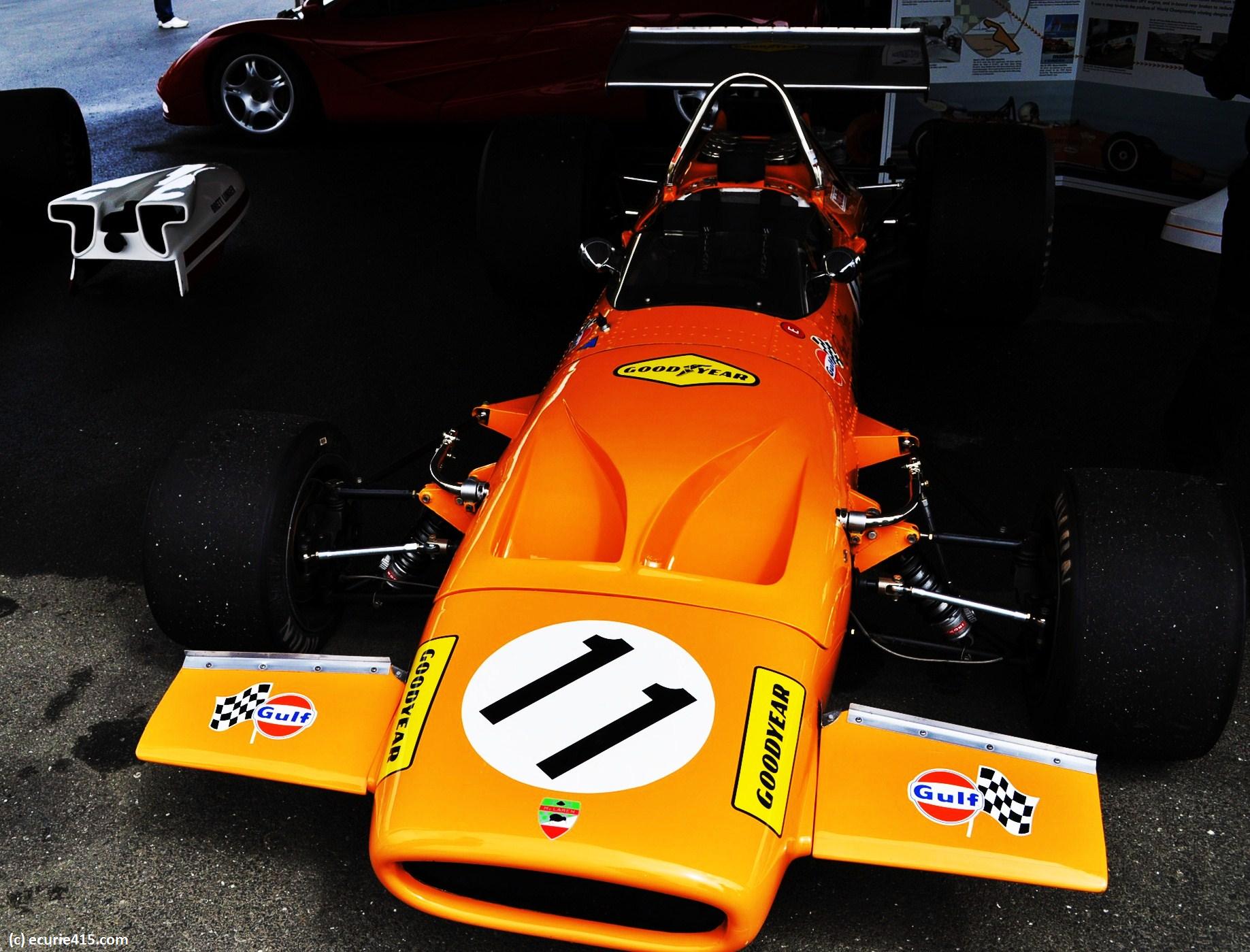
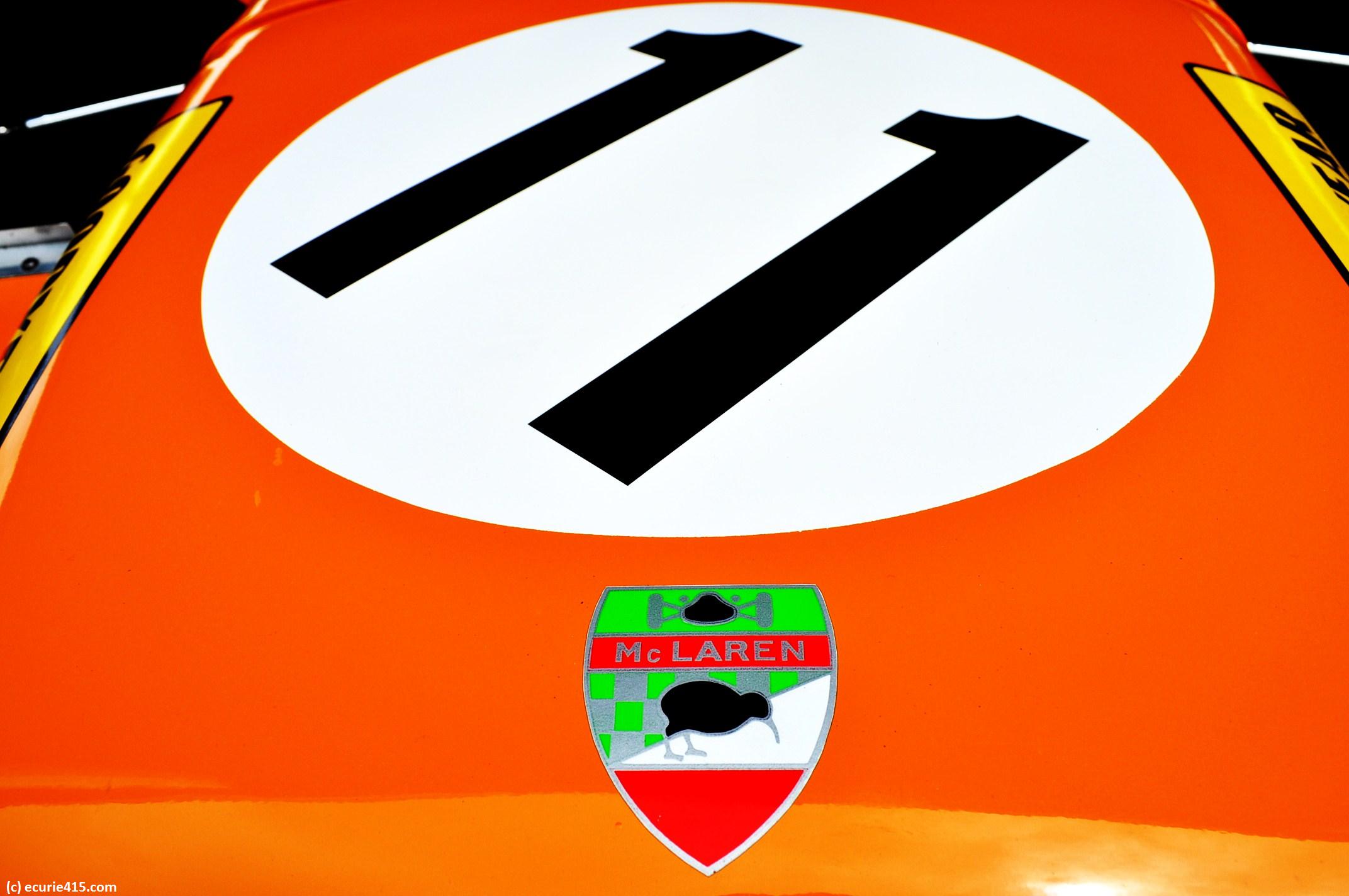
A few years ago, McLaren tested an orange F1 car, a reminder of the great days when Bruce McLaren owned the team and orange cars dominated F1 and Can-Am.  The retro livery was enormously popular but has never returned.  Today, McLaren is far better known for its silver-foil wrapped car, but orange has its fans.  Especially when it’s a striking 1970 McLaren M14.

Orange, they say, is the new black.  Perhaps it’s the bright burst of color that draws the eye towards an orange car, or maybe it’s just the sheer boldness of an orange race car.  Whatever it is, there’s never enough of it.

DSC_0875

DSC_0874

DSC_0877

Ecurie: building a stable

DSC_0018

écurie (French ekyri)

1. (Motor Racing) a team of motor-racing cars

[French, literally: a stable]

Welcome to ecurie415.com.  The mission statement is simple: to create a stable of stylish and legendary race cars.  With a name drawn from Ecurie Ecosse, the great Scottish racing team, this collection is born and bred in Northern California (i.e., “the 415”).  It spans the past, present and future, celebrating the style, art and ingenuity of the race car.