Sonoma Standout: Gulf-Porsche 917

Porsche917aSON14

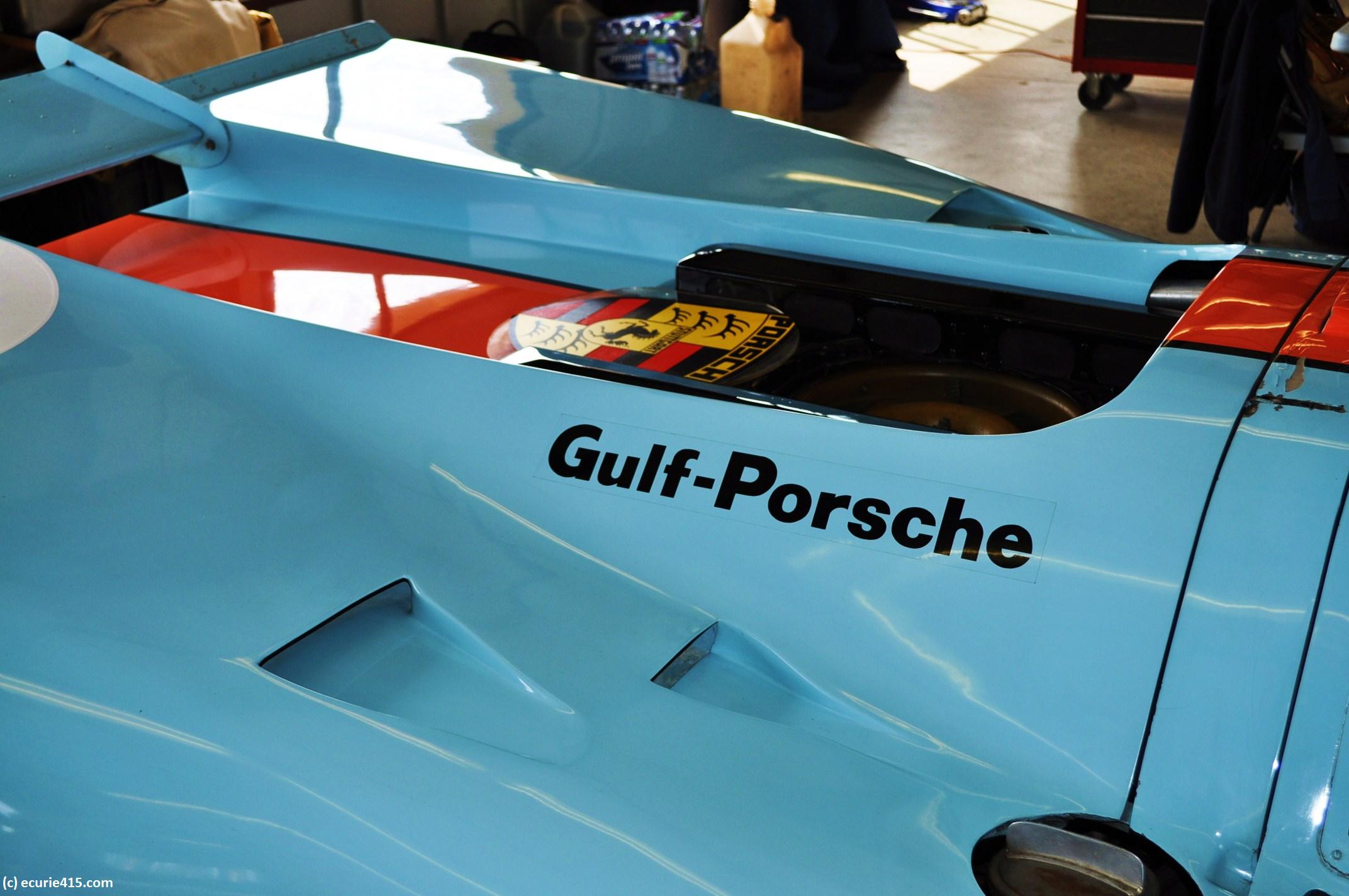
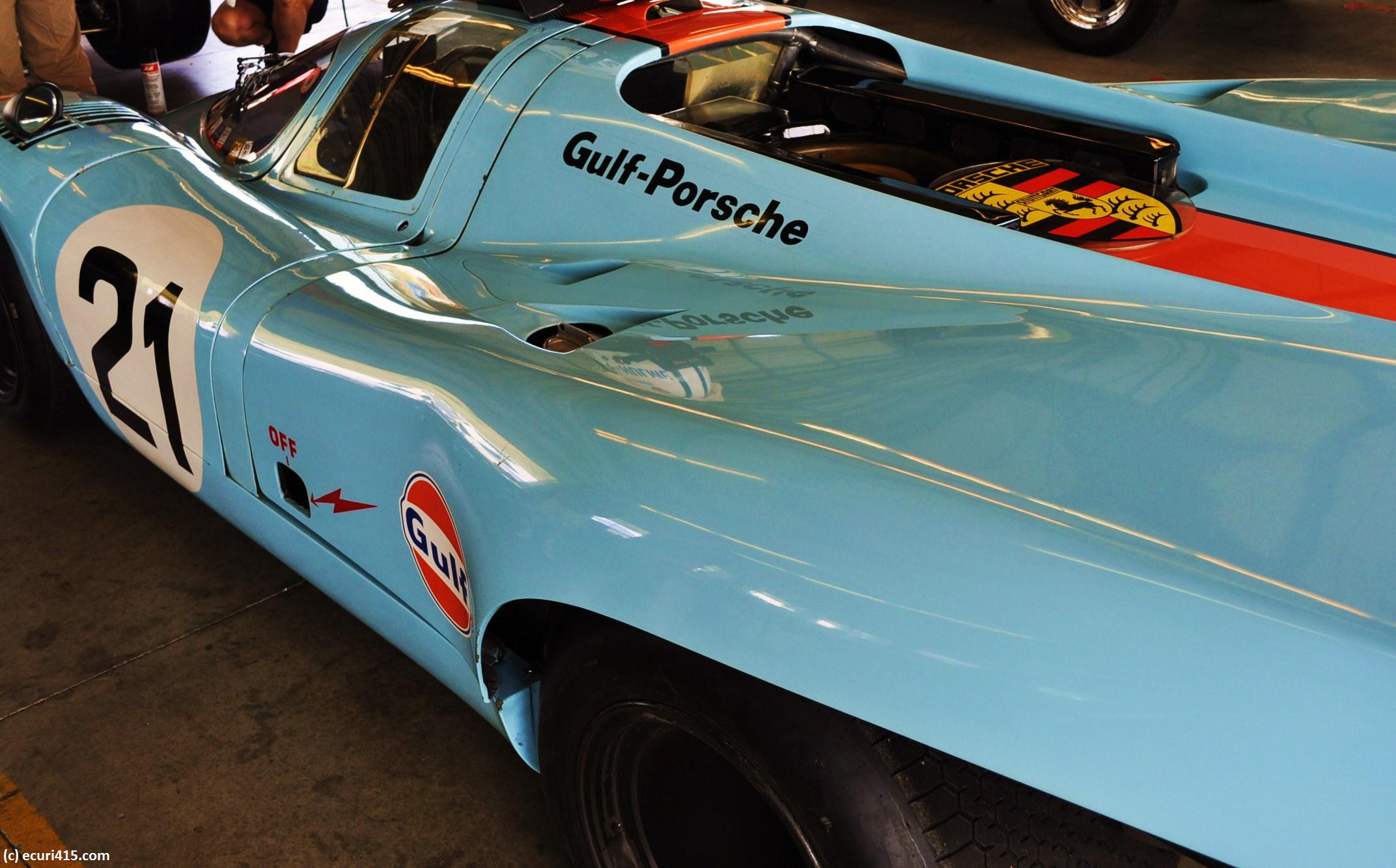
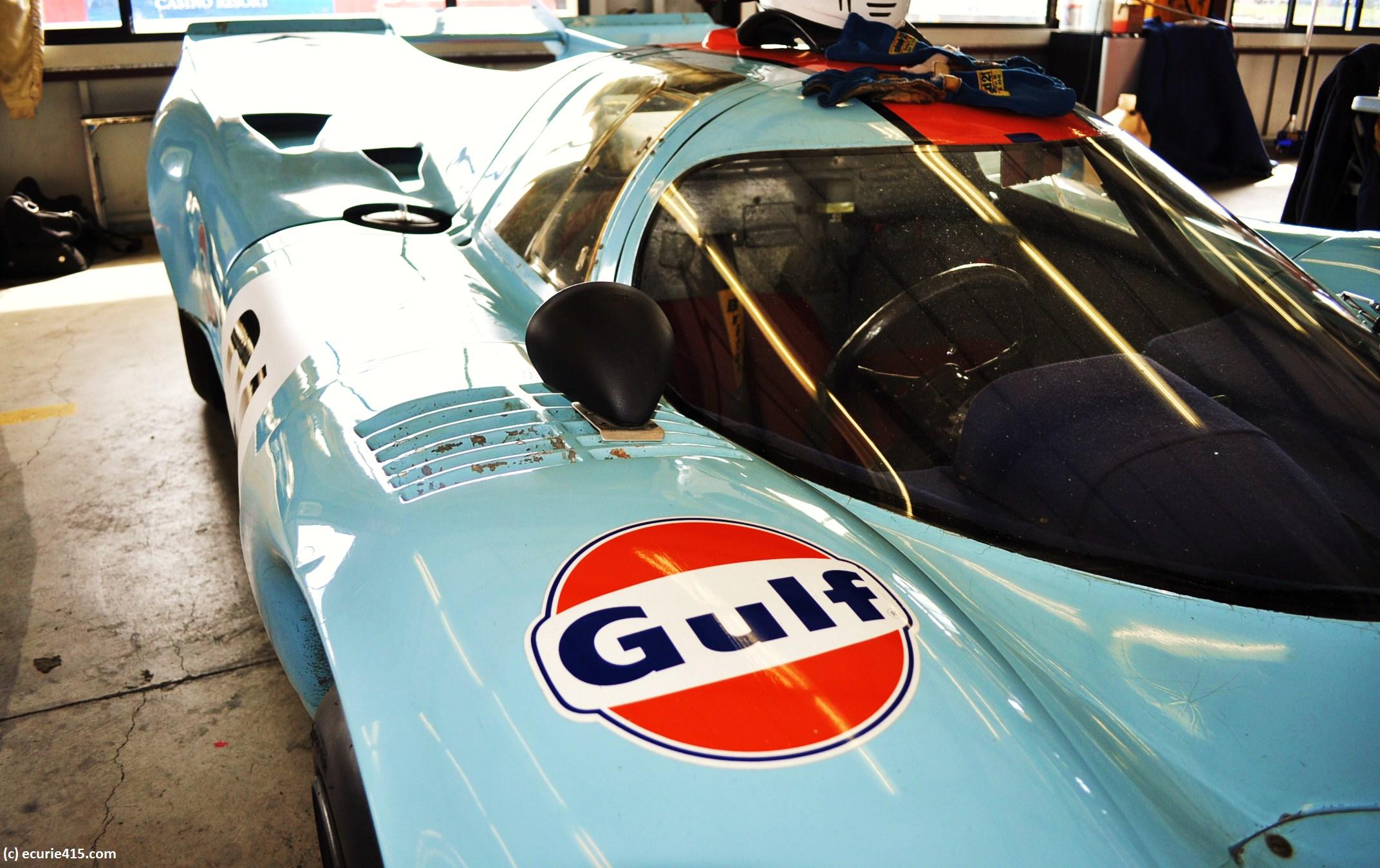
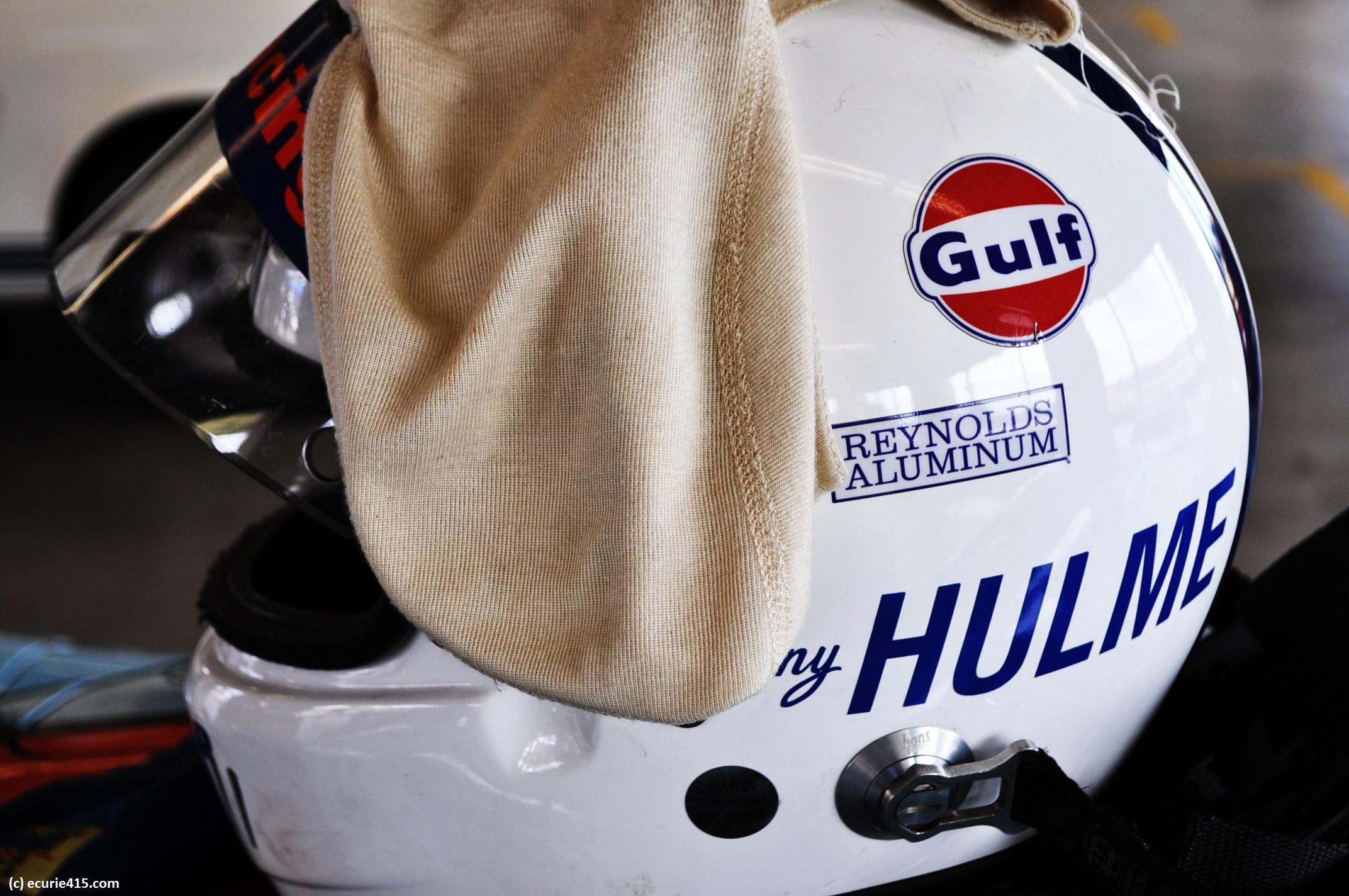
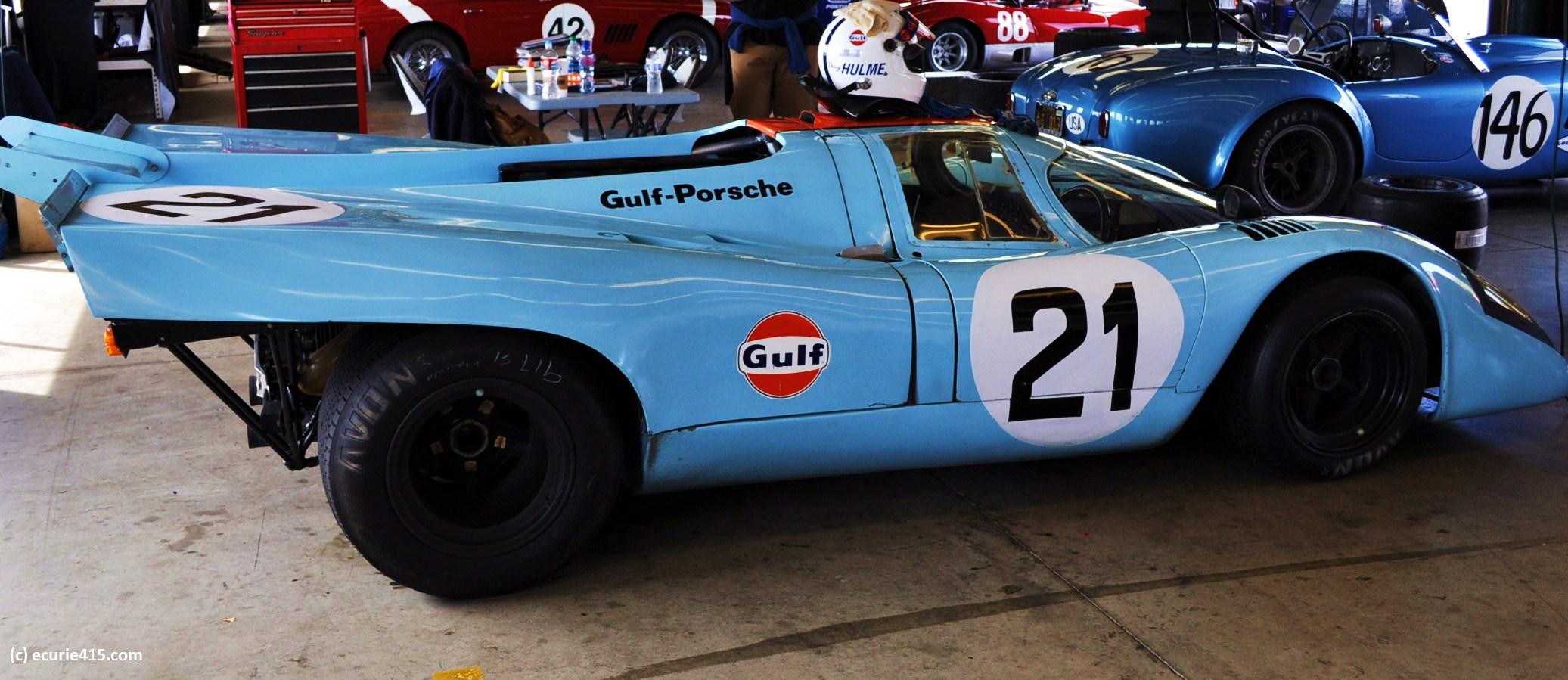
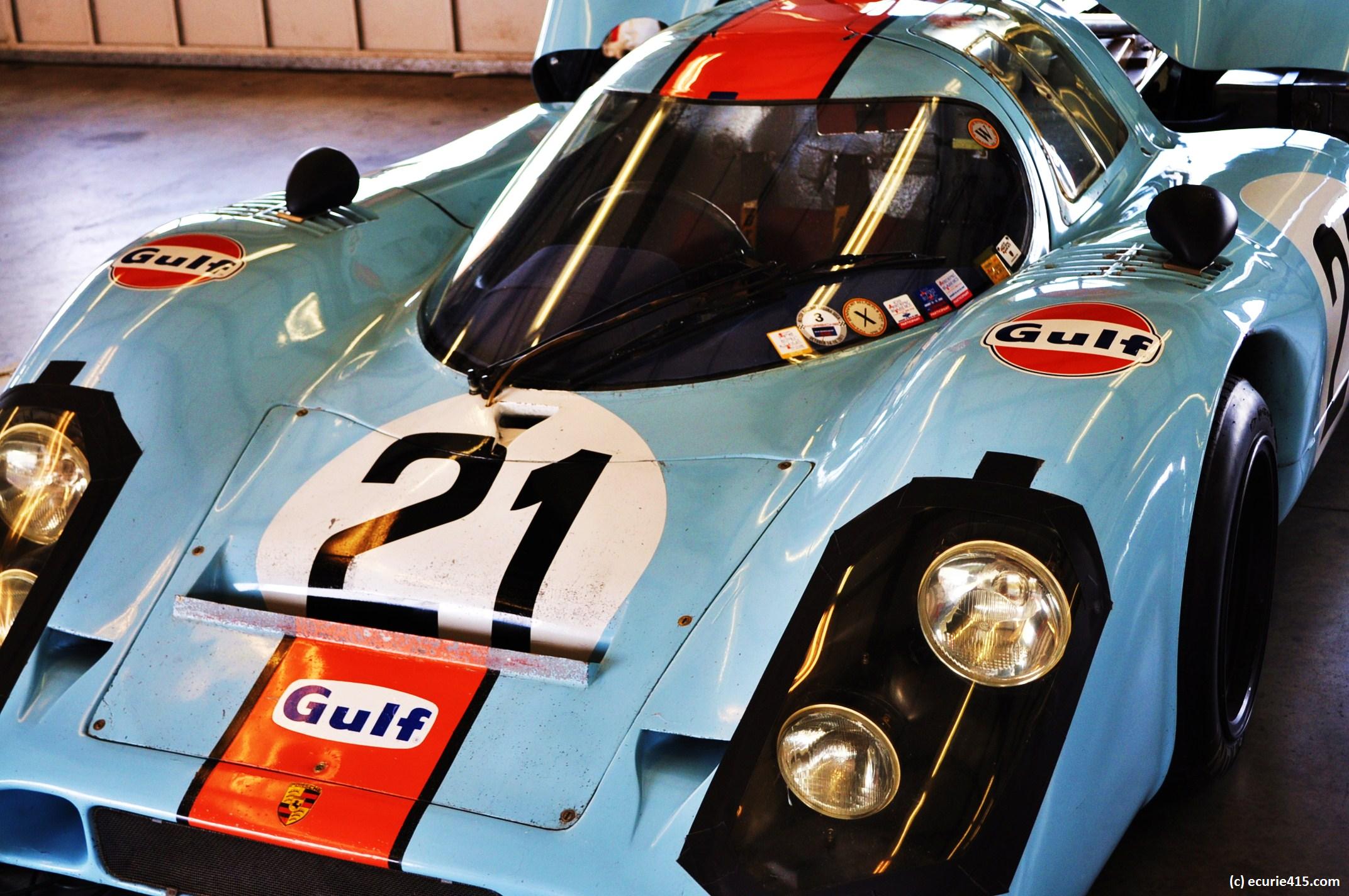
One of the standouts at the Sonoma Historic Motorsport Festival was a legendary Porsche 917, JWA Gulf-Porsche 917-016, delivered to John Wyer in 1970 and raced in the World Sportscar Championship.

Wyer became involved in the 917 program at Porsche’s request, after the 917 had teething troubles in 1969. Previously, Wyer had successfully run Le Mans programs for Ford and Aston Martin.  He turned his attention to the 917, and a legend was born.

The 917 was Porsche’s response to a quirk in sporting regulations that allowed 5000cc engines in sports cars, if 50 cars were manufactured.  For 1969, the number of cars required for homologation was reduced to 25. Porsche built 25 examples of the 917, with the objective of winning at Le Mans in 1970. Porsche had never won at Le Mans.

At  a wet Brands Hatch, the 1970 season opener, chassis 917-016 won in the hands of Pedro Rodriguez and Leo Kinnunen. Porsche took the top four spots and Rodriguez finished five laps ahead of the next car.  Two weeks later, Rodriguez and Kinnunen won again in 917-016, at Monza.

The car failed to finish Le Mans that year, retiring early with cooling failure. But Porsche achieved its dream, winning Le Mans outright in a 917 driven by Richard Atwood and Hans Hermann. In July, at Watkins Glen, 917-016 tasted victory for the last time.

In 1971, the car served as a test lump and spare car, appearing in one race, a Can-Am race at Watkins Glen. Although chassis 917-016 went to the back of the garage, the 917 enjoyed another year of competitiveness in 1971.  Porsche next turned its attention to Can-Am, dominating that series before engine capacities were reduced in 1974.
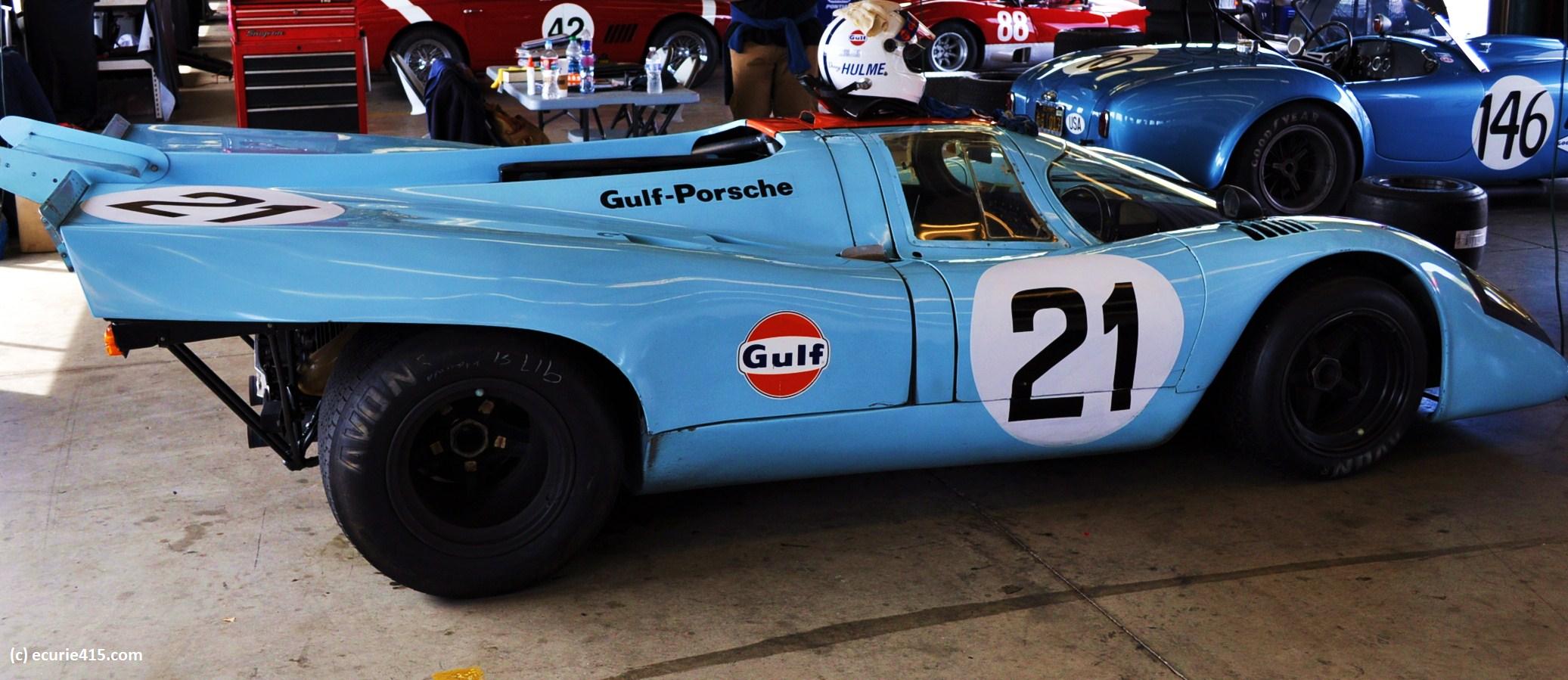
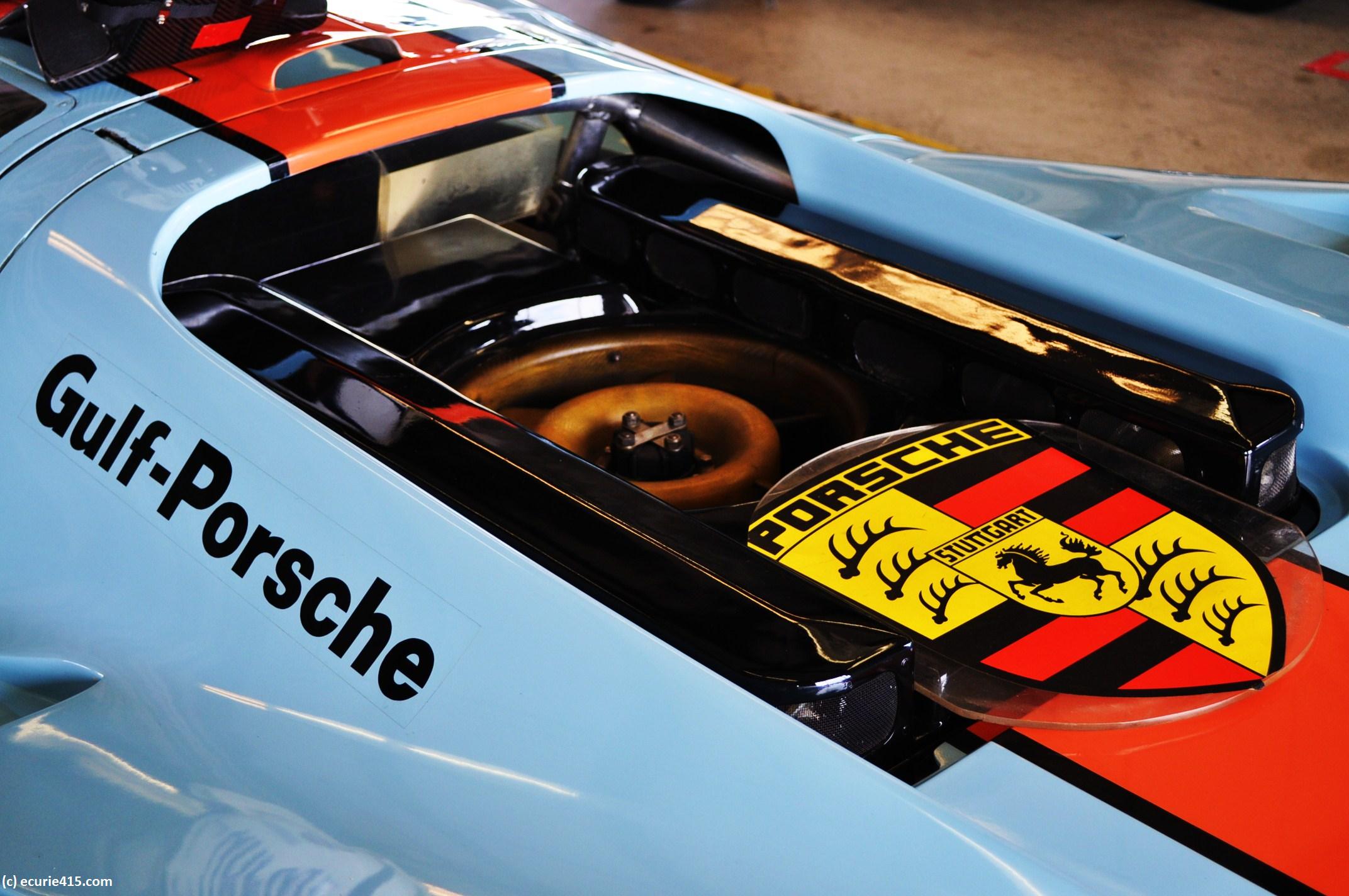
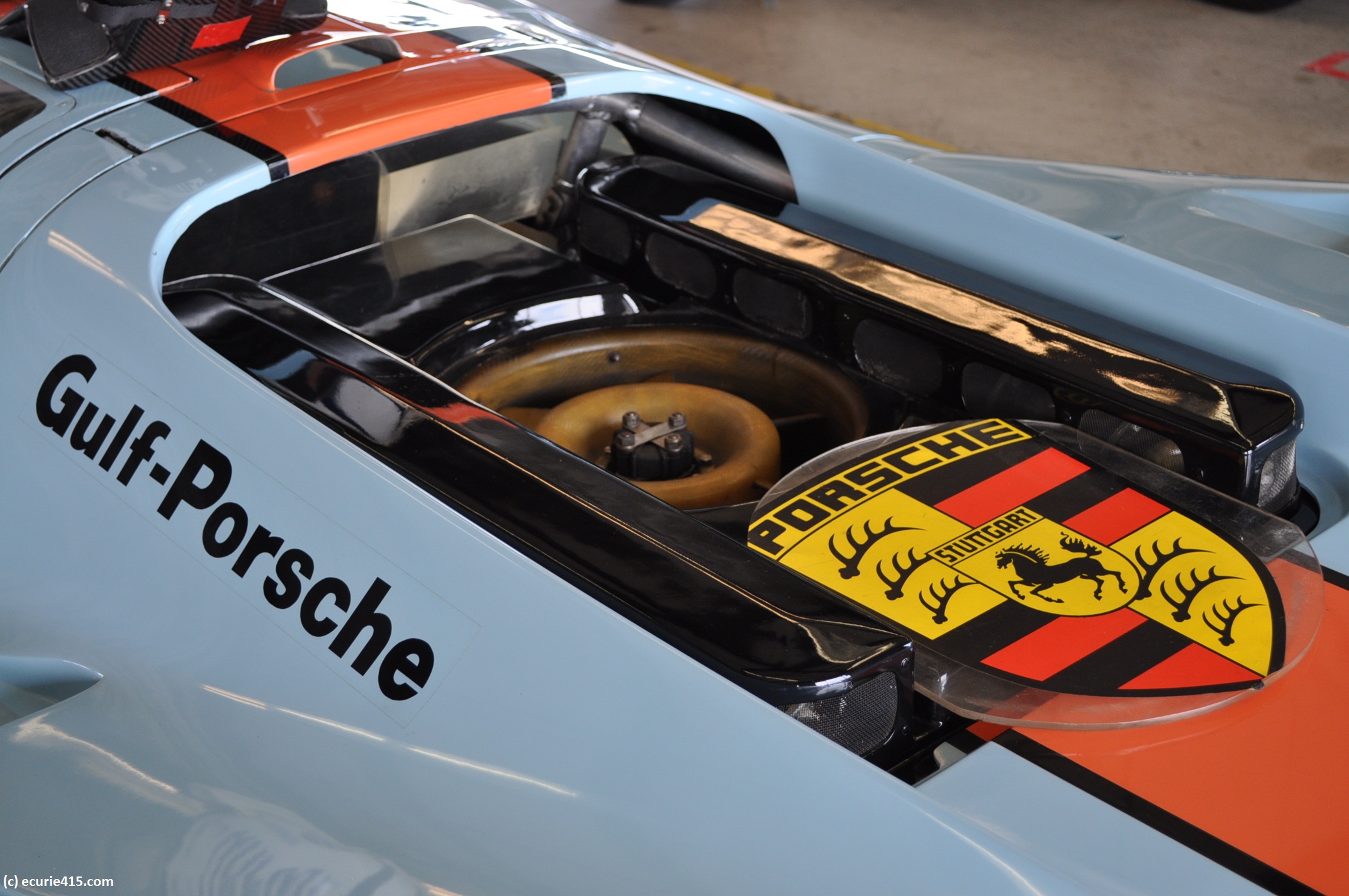
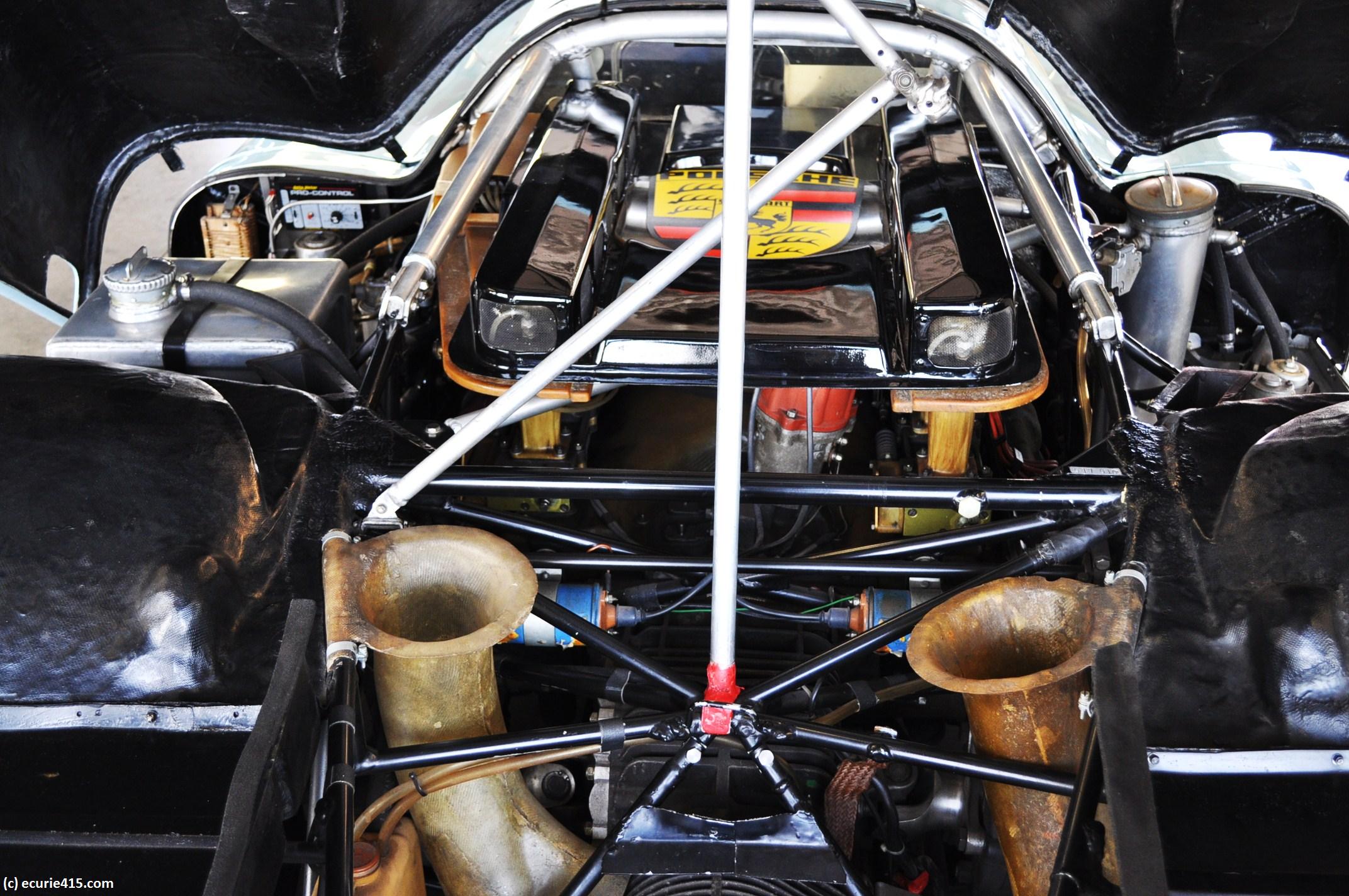
Porsche917(2)SON14 Porsche917eSON14 The 917 was initially fitted with a 4.5L flat-12 engine.  Later editions upgraded the power plant to 5.0L. Porsche917dSON14 Porsche917cSON14 Porsche917bSON14 Porsche917fSON14
HulmeSON14

Sonoma Historics: First photos! A very full plate…

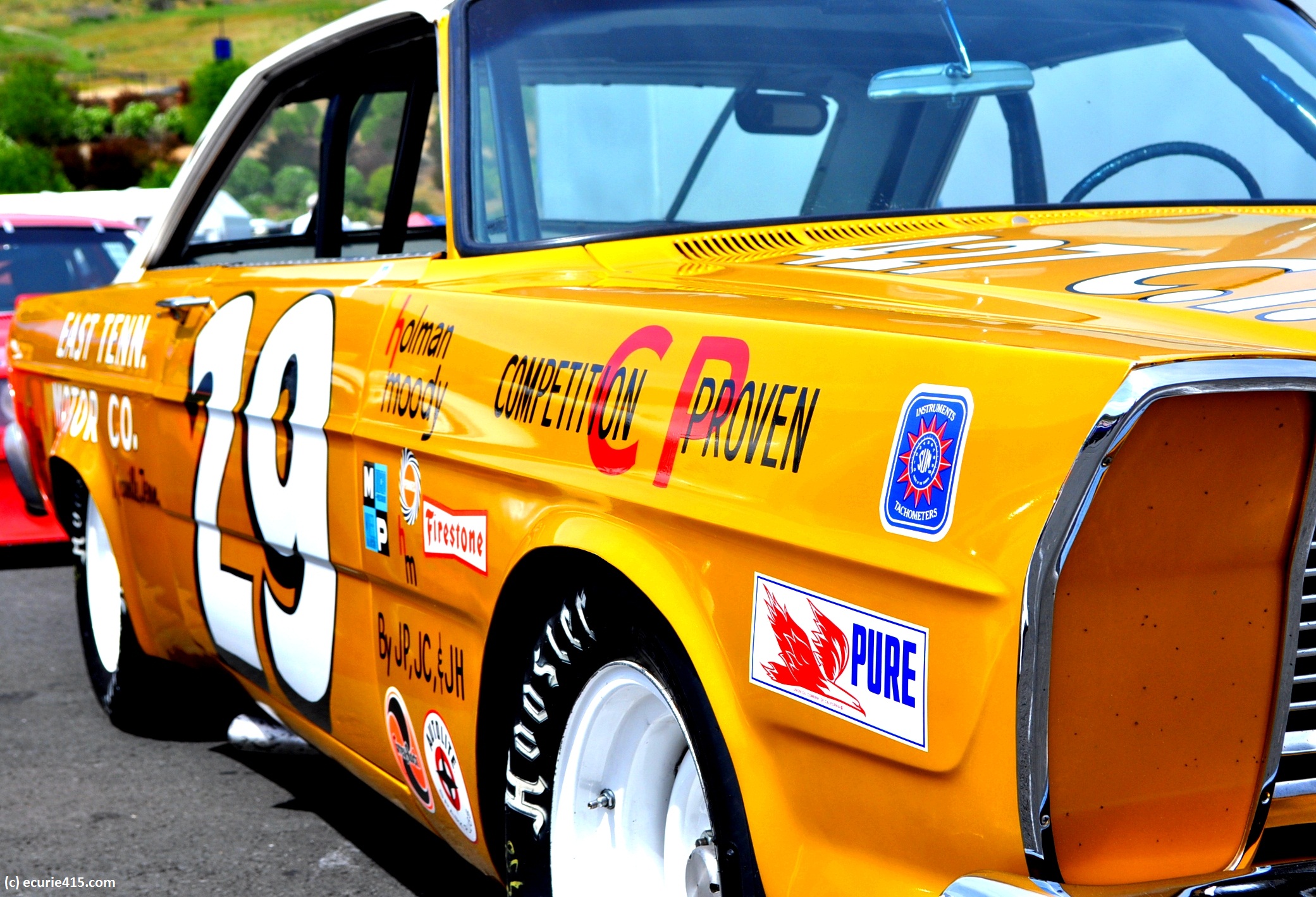
FordGalaxieSON14

You could be excused for feeling pulled in different directions at this year’s Sonoma Historic Motorsports Festival at Sonoma Raceway.  After all, it’s not easy to choose between a Gulf-Porsche 917, a group of staggering McLarens, or a collection of GT cars that spans the history of racing.  Add in Trans-Am sedans, IMSA GTs, formula cars and prototypes, and paddock dizziness quickly sets in.
In Europe, tourists have been know to suffer exhaustion from the overwhelming number of churches, museums, and points of historical interest that must be seen.  Compelled to see all of it, they break down and see none of it.  The way to avoid this is to narrow your focus.

In those circumstances, I did what any fanatic would do: I went with first loves.  Cars that I drove, like the Datsun 240Z and BMW coupe, or simply admired, like the Lancia Stratos and the Porsche 917 (below).  If you grew up in love with race cars after 1970, you knew Le Mans, and you loved the 917. Simple as that.

I’ll share more photos in the coming days.  For now, enjoy a few examples on offer last weekend…

***

This 917 was sold to John Wyer (JW Automotive) in 1970.  The car won at Brands Hatch and again at the Monza 1000km, but it didn’t finish at Le Mans. It also won at Watkins Glen later the same year.  The car was driven primarily by Pedro Rodriguez, but also by Leo Kinnunen and Richard Atwood.

Porsche917(2)SON14

917SON14

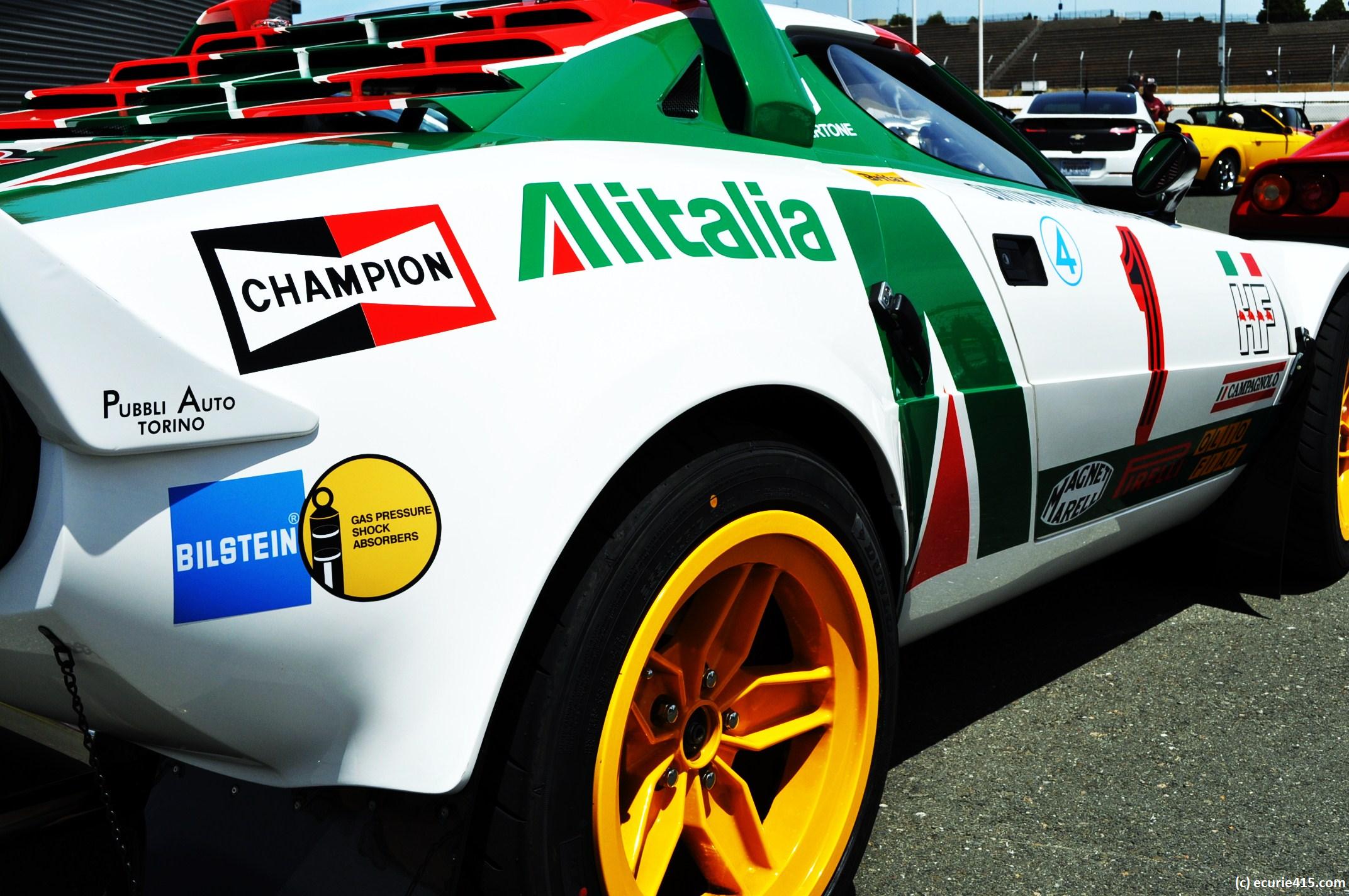
The Lancia Stratos (not officially entered) evoked 1970s European style and Sandro Munari’s talent behind the wheel.  We’ll be featuring this car (and the 917) in separate posts, to give them their due.

LanciaStratosSON14

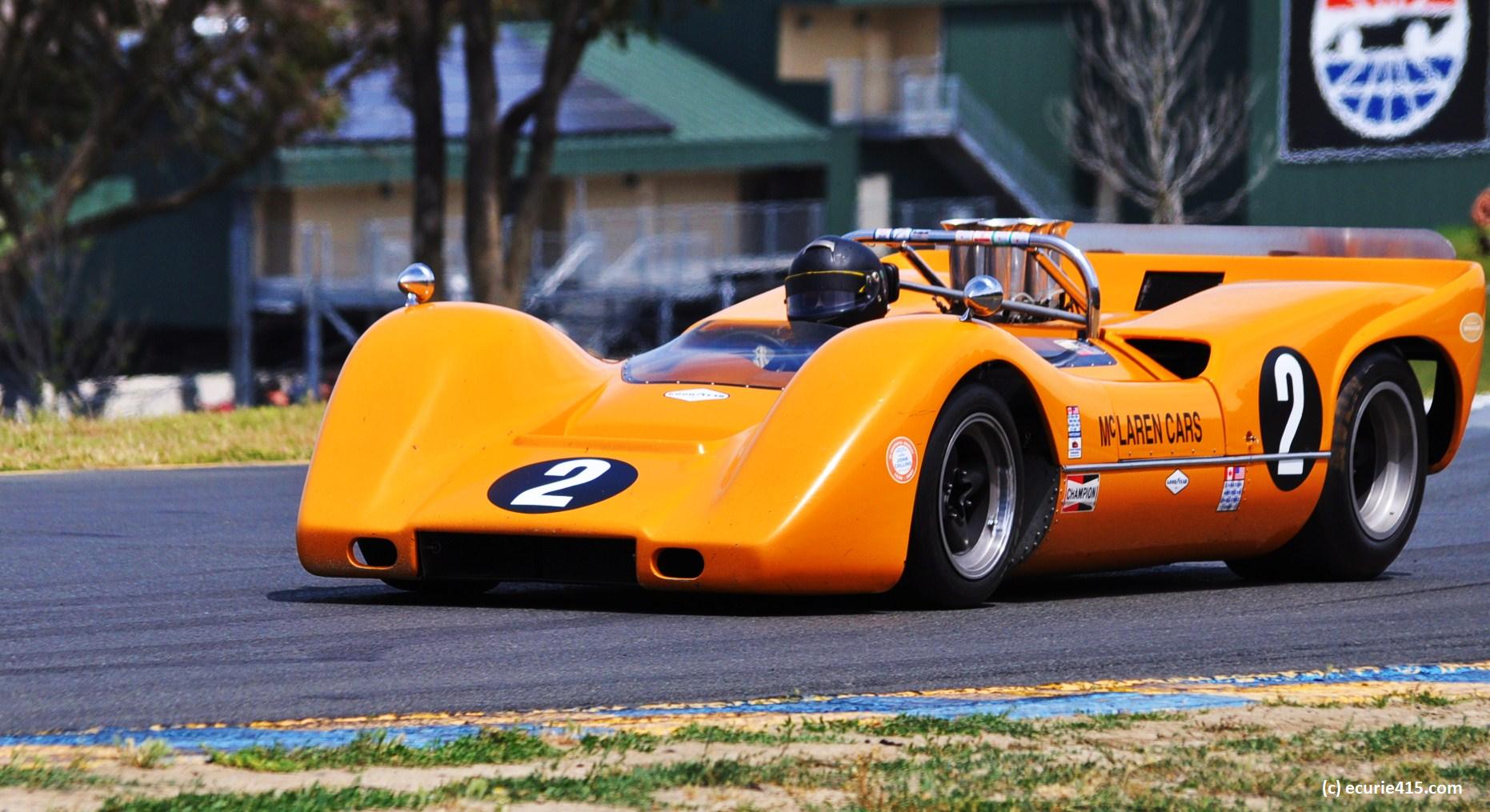
The 1968 McLaren M6B (below) could have raced today.  Trumpet exhausts never go out of style, and McLaren’s iconic orange looks as fresh as ever.

McLarenSON14

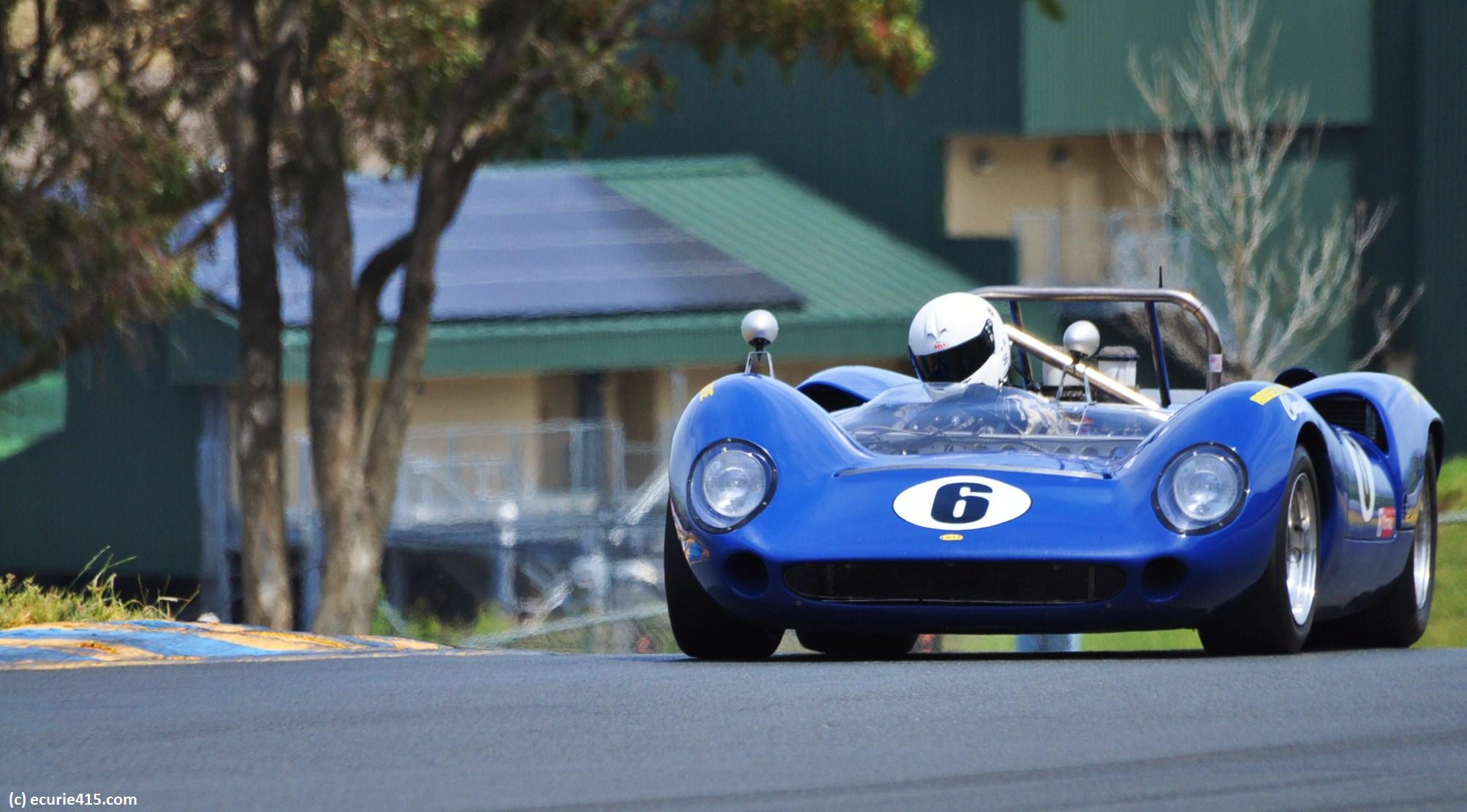
A 1966 Lola T-70 Mk II.  Pretty much the sports car to have in those days.

LolaT70MkII1966SON14

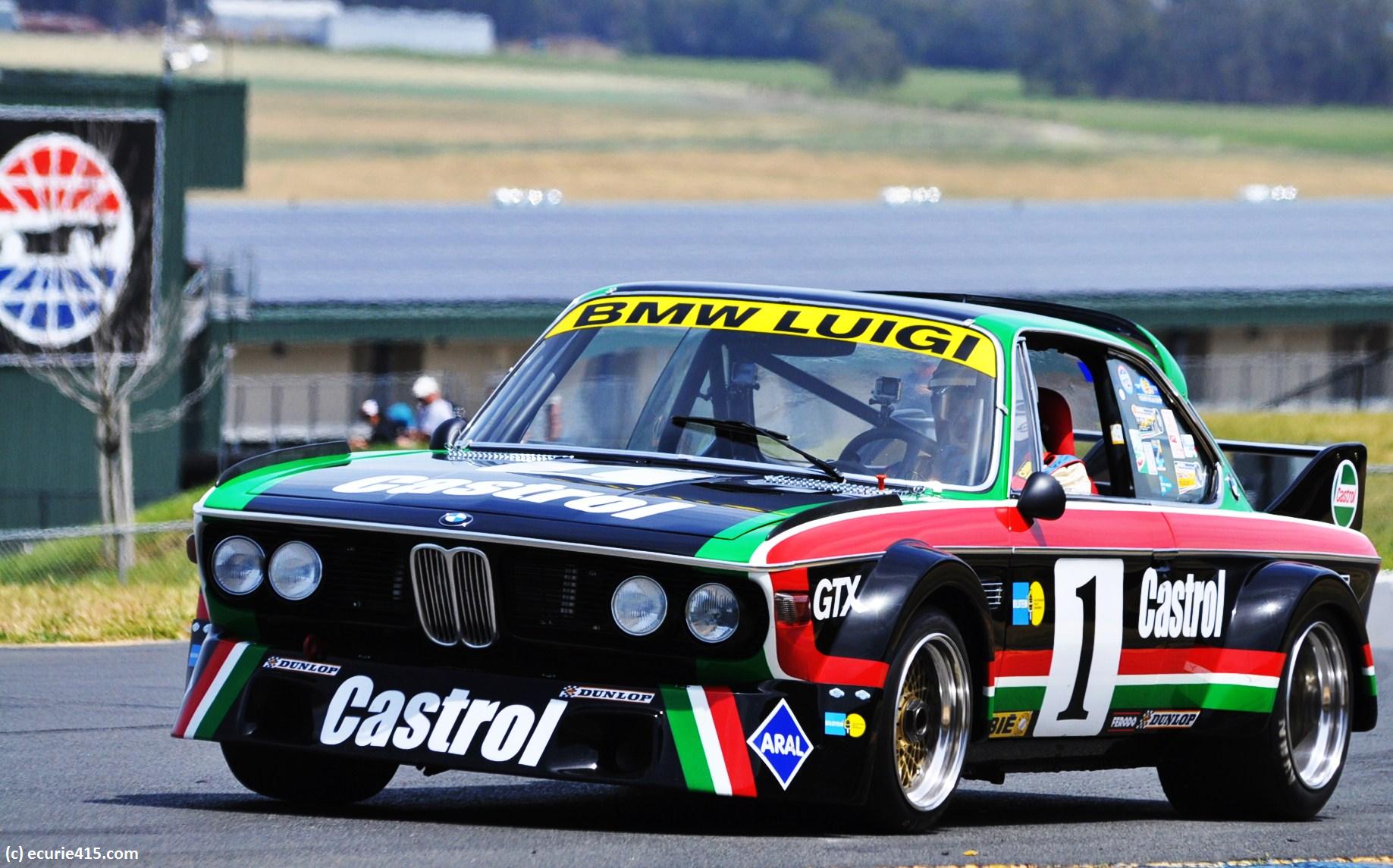
The 1976 Luigi Racing BMW 3.0 CSL (below) was an unusual find.  Modestly developed, the car raced Group 2 in Europe for a Belgian team with an Italian owner.  The red, white and green Italian accents reflect the car’s heritage.

BMWSON14

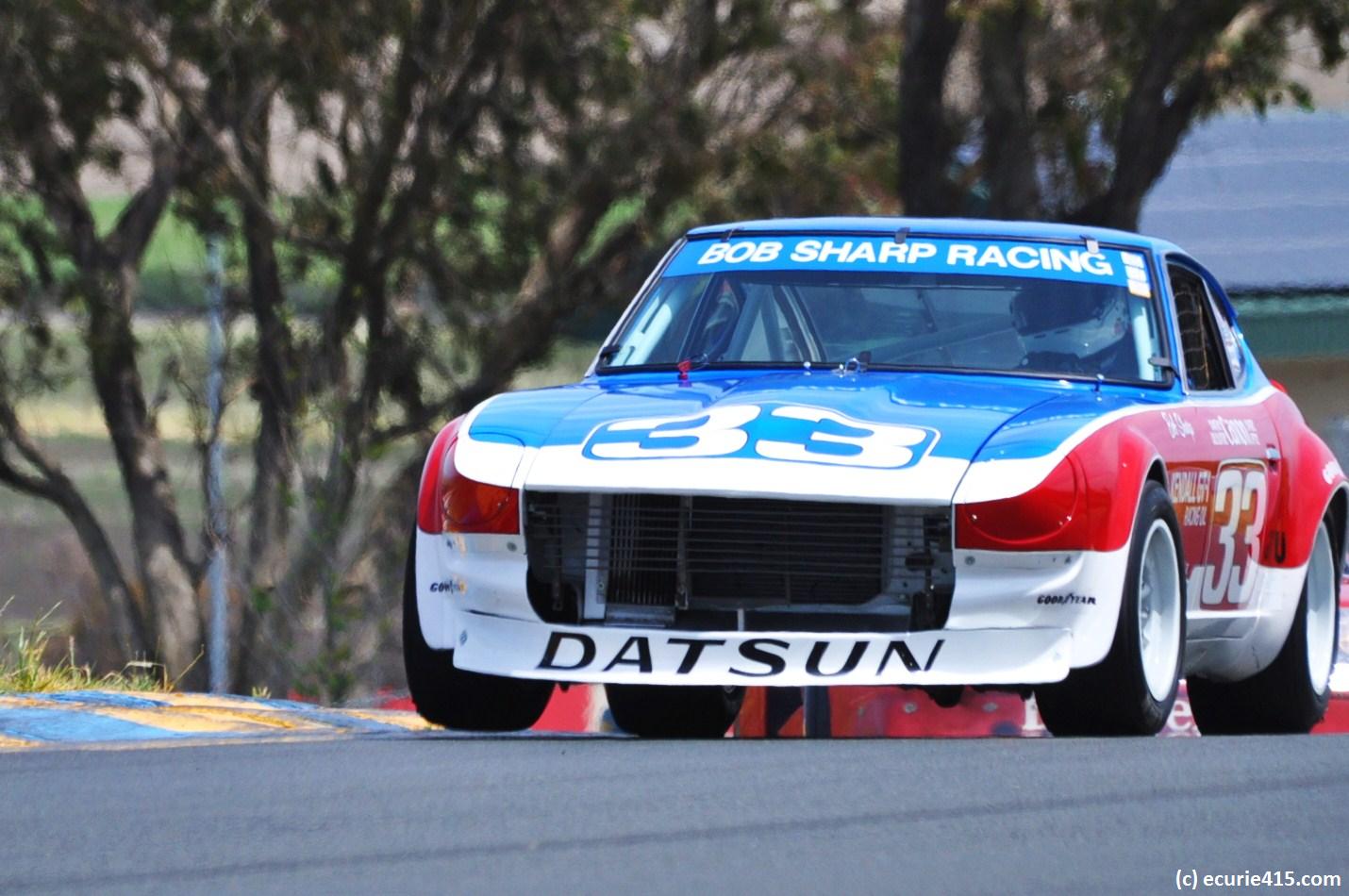
Three-wheeling with a 1970 Datsun 240Z.

Datsun240Z1970SON14

The 1979 Chevy Monza (below) was an unusual champion.

MonzaSON14

Sonoma Historics: Shadow Boxers

DSC_0348

Shadow Racing Cars will be one of the featured Can-Am marques at this weekend’s Sonoma Historic Motorsports Festival, presented by General Racing at Sonoma Raceway.  Former team owner Don Nichols, driver George Follmer, and other Can-Am veterans will also host a seminar Saturday morning, discussing a legendary series famous for open rules and lurid, powerful machinery.

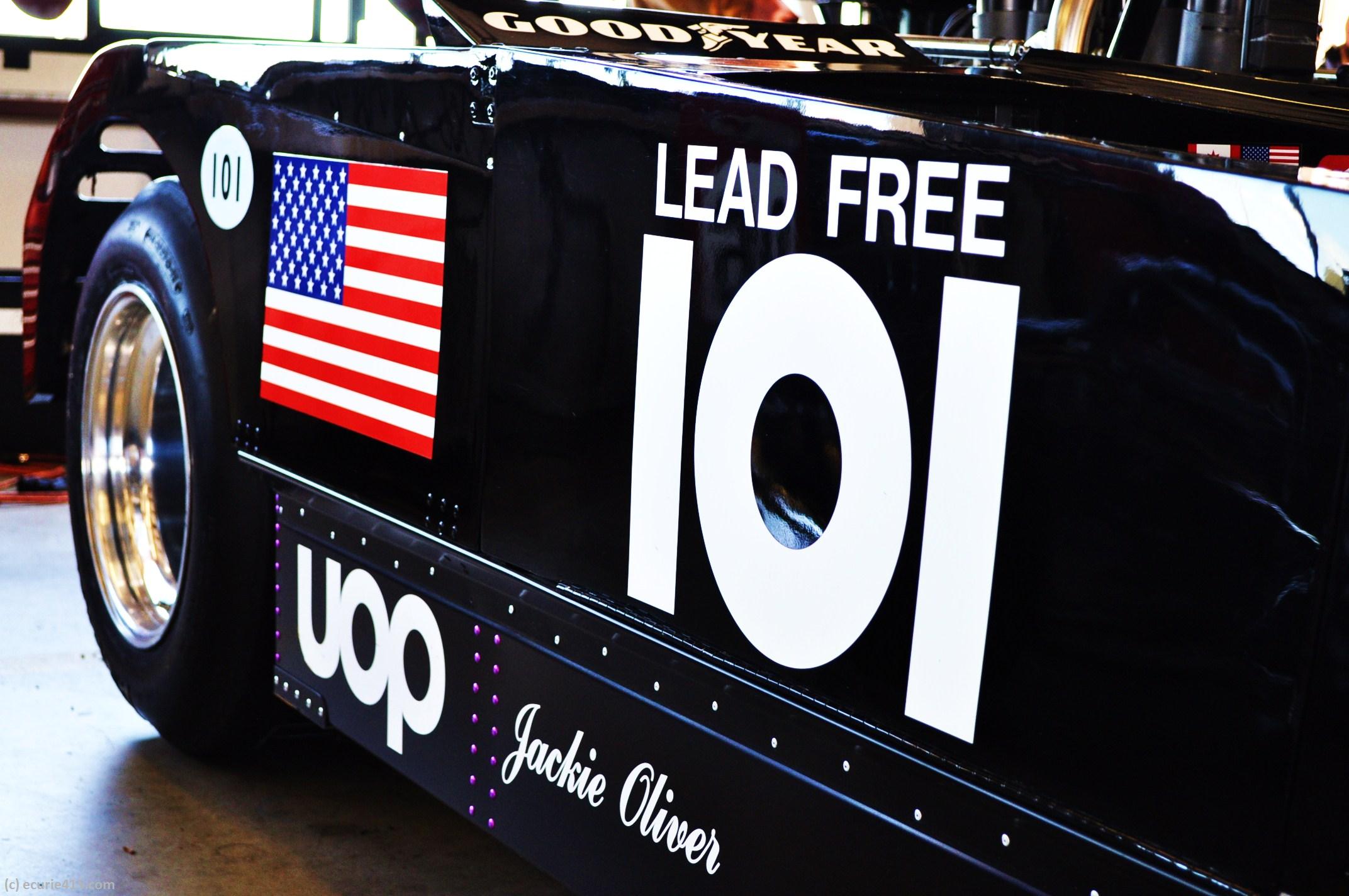
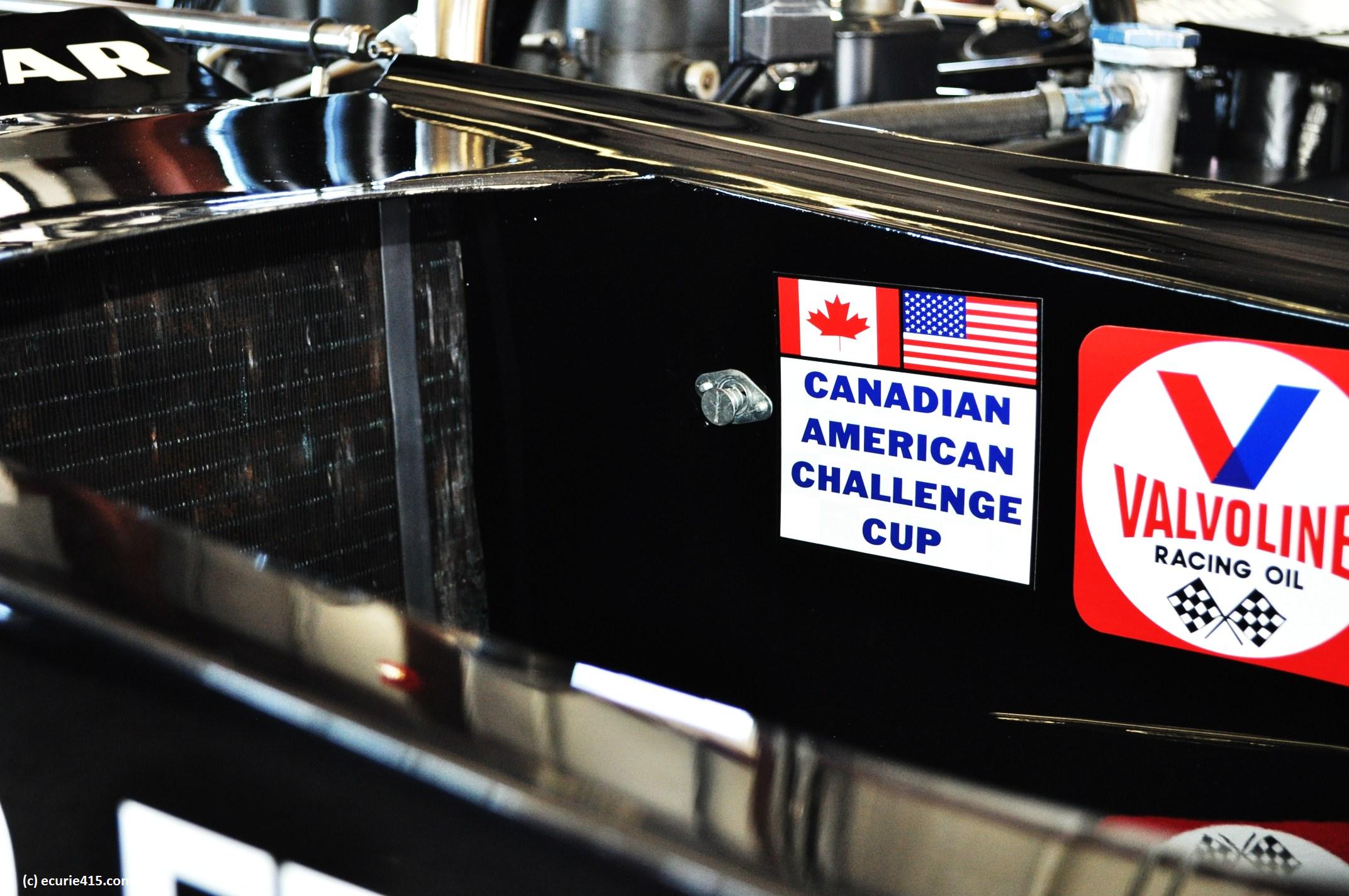
Nichols raced Shadow cars in Formula 1, Can-Am and sports cars, with the support of sponsor Universal Oil Products. Nichols was an unconventional character, and the powerful, all-black Shadows were always shrouded in mystery.  They’re still intriguing, witnessed by the steady stream of admirers that engage its current owner in discussion about the good old days.

ShadowCanAm

Postcard from Monterey (Pt. 2): Prototypes – Miracle at Mazda Raceway

WTRDPMonterey14

They said it couldn’t be done. Three races into the inaugural TUDOR United SportsCar Championship season, and no LMP2 prototype had seen the top step of the podium.

Leave it to politics, some said: IMSA’s balance of performance was hopelessly weighted in favor of the heavier – but more powerful – Daytona Prototypes. This was the natural outcome of the Grand-Am Series’ acquisition of the ALMS in 2012, said the critics.  On social media, many thought the ultimate goal was to eliminate LMP2’s from the series.

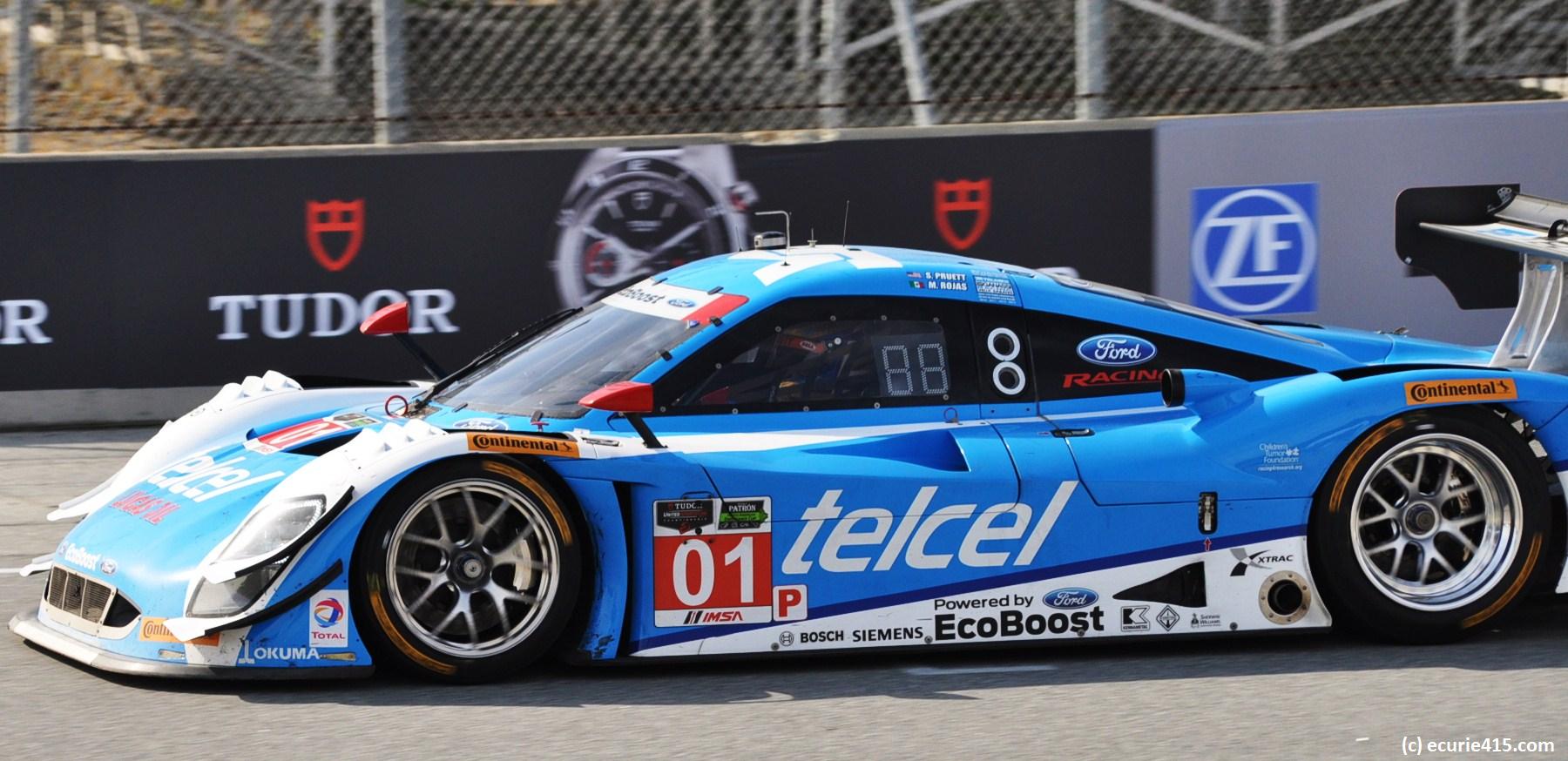
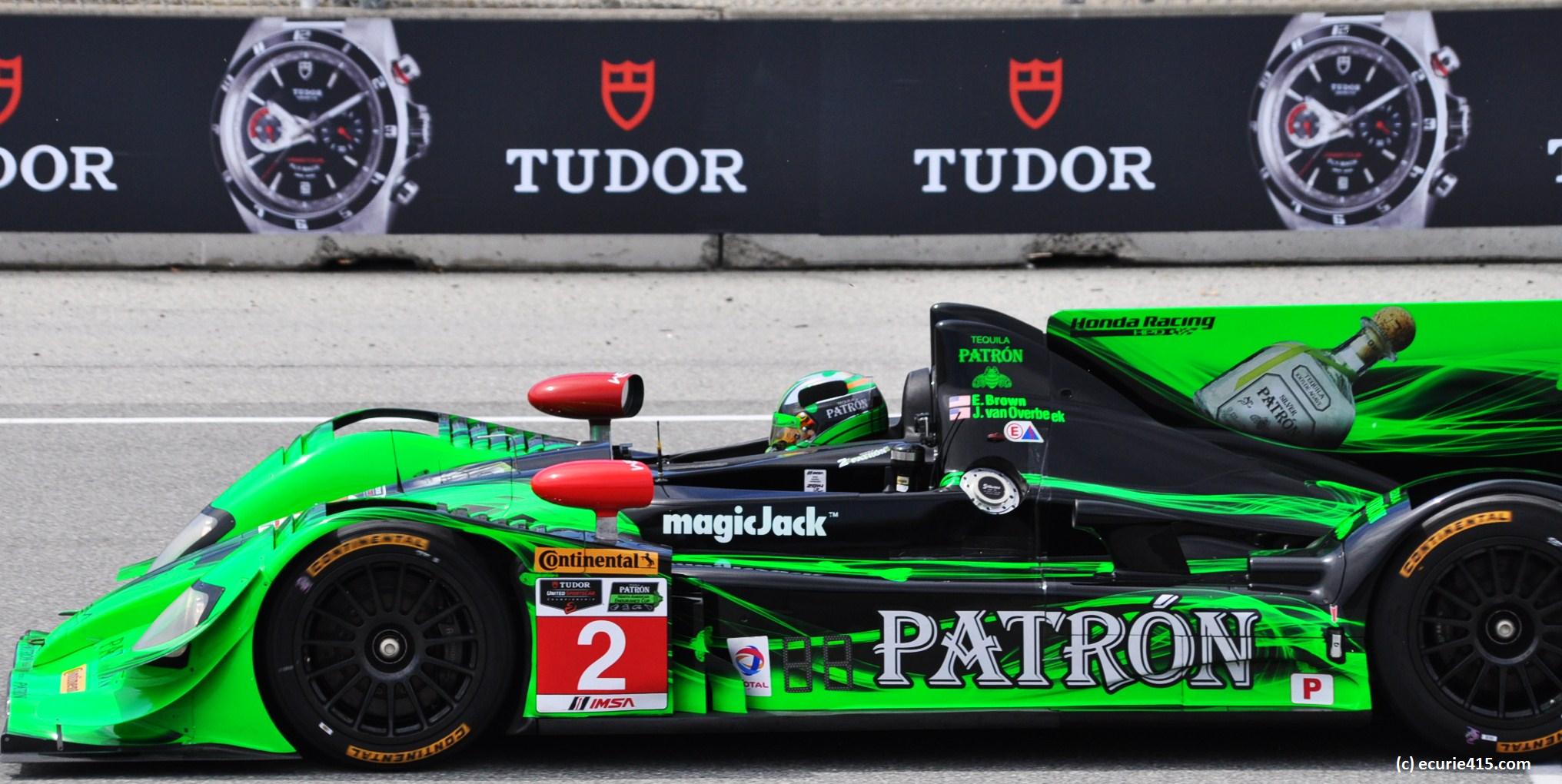
Johannes van Overbeek and ESM Patron Racing had other ideas.  Taking advantage of Mazda Raceway’s slow corners, and benefitting from a rare mistake by rival Jordan Taylor, van Overbeek brought his Honda ARX-03b home in first, ahead of Taylor and veteran Scott Pruett, racing a Riley DP with Ford Ecoboost power for Chip Ganassi Racing.

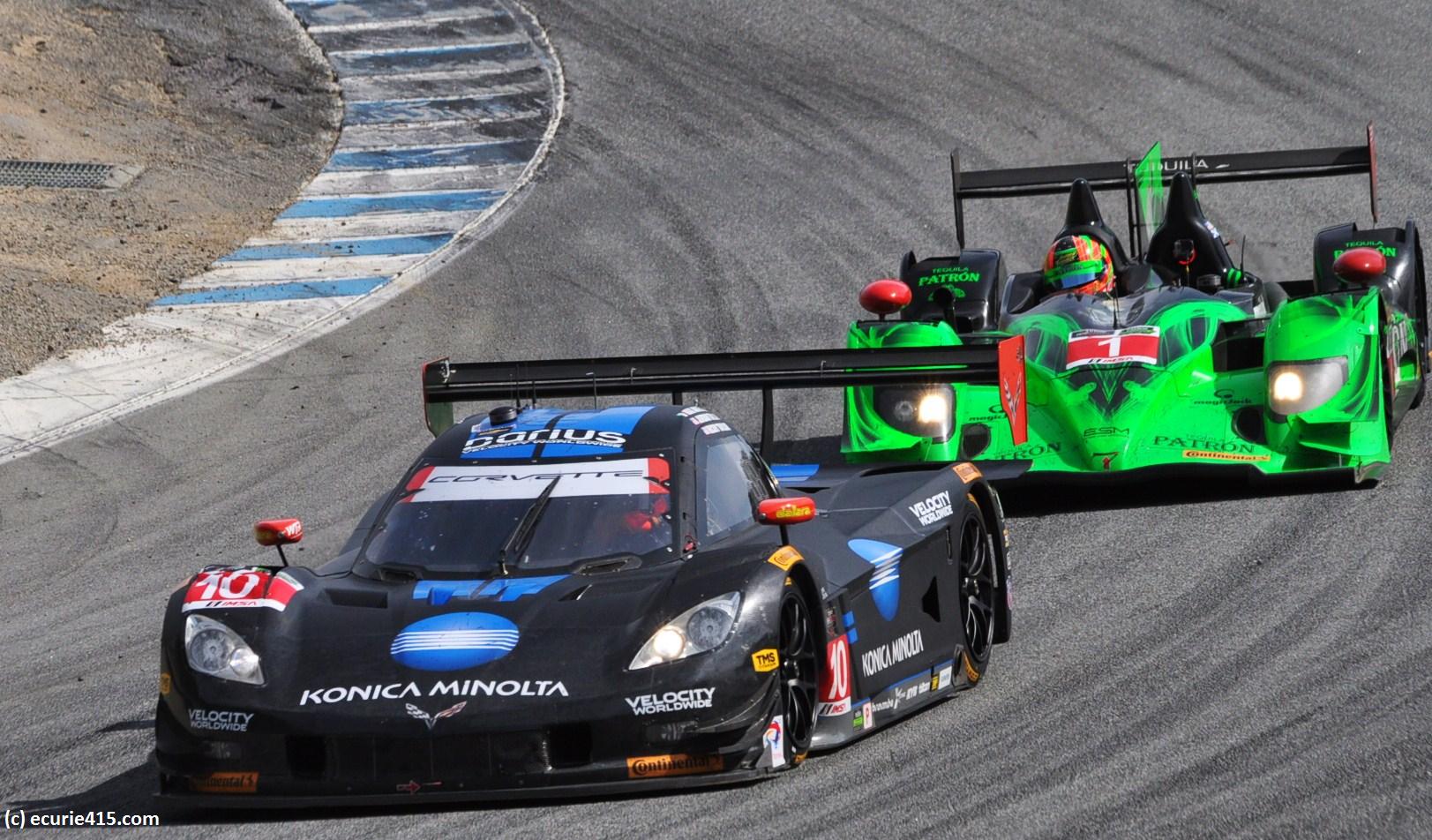
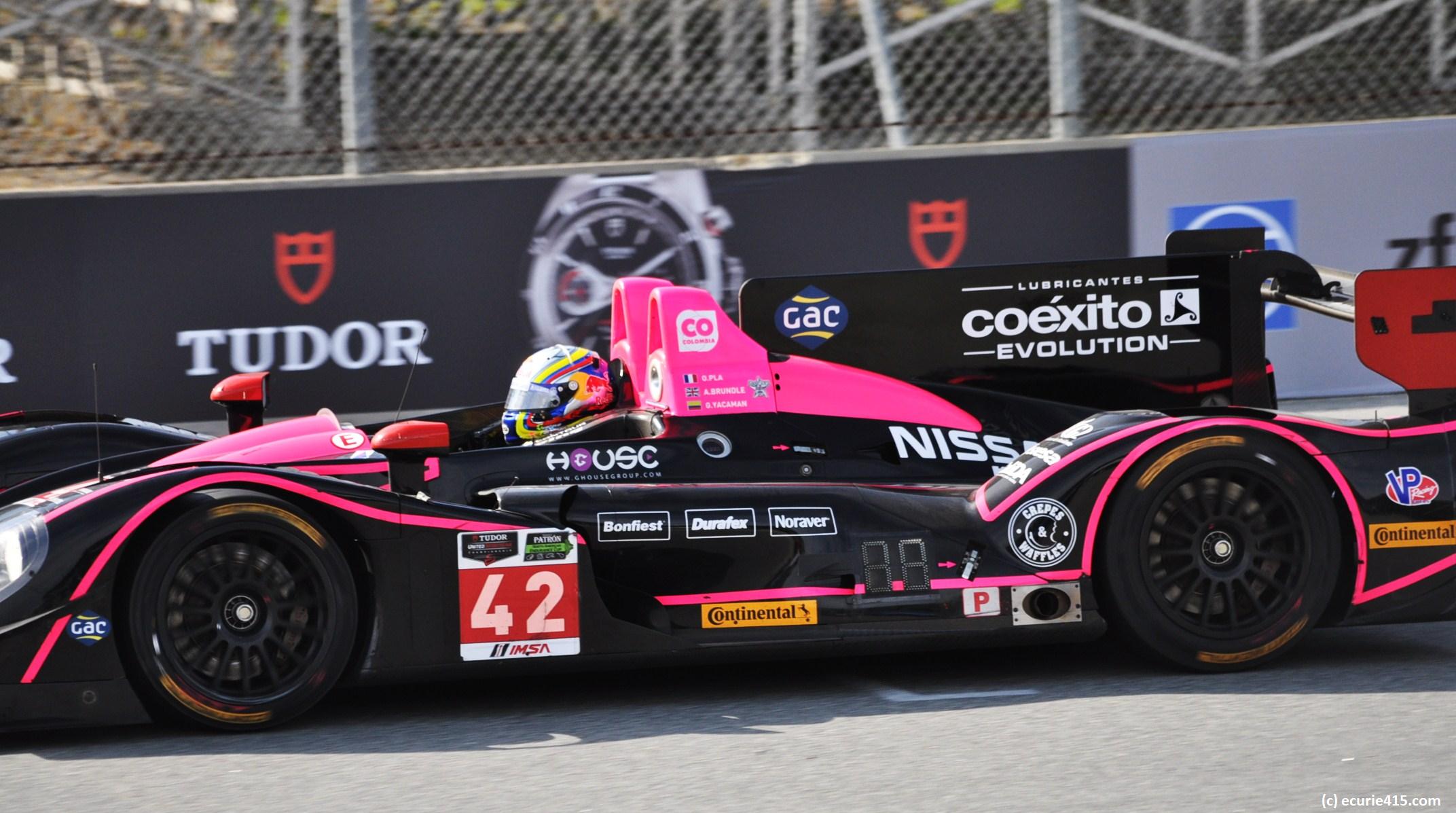
The race began with a scintillating dice between Jordan Taylor, driving a Corvette DP for Wayne Taylor Racing, and Gustavo Yacaman in an Oak Racing Nissan-Morgan LMP2.  The close racing tended to answer critics who had questioned whether the two divergent prototpes could race competitively.  After Monterey, the answer was an emphatic “yes”.

Yacaman’s efforts were blighted by an incident between his teammate, Alex Brundle, and an Action Express DP driven by Christian Fittipaldi.  But by that point, van Overbeek was ready to start reeling in Taylor.  An uncharacteristic bobble by Taylor coming out of Turn 3 was all the room that van Overbeek needed to take the lead, setting up a win that no one expected, and a victory that settled some old scores.

***

Spirit of Daytona took an early lead from polesitter ESM, resulting in a great battle between Michael Valiante and OAK Racing’s Gustavo Yacaman.

SpDayDPMRLS14

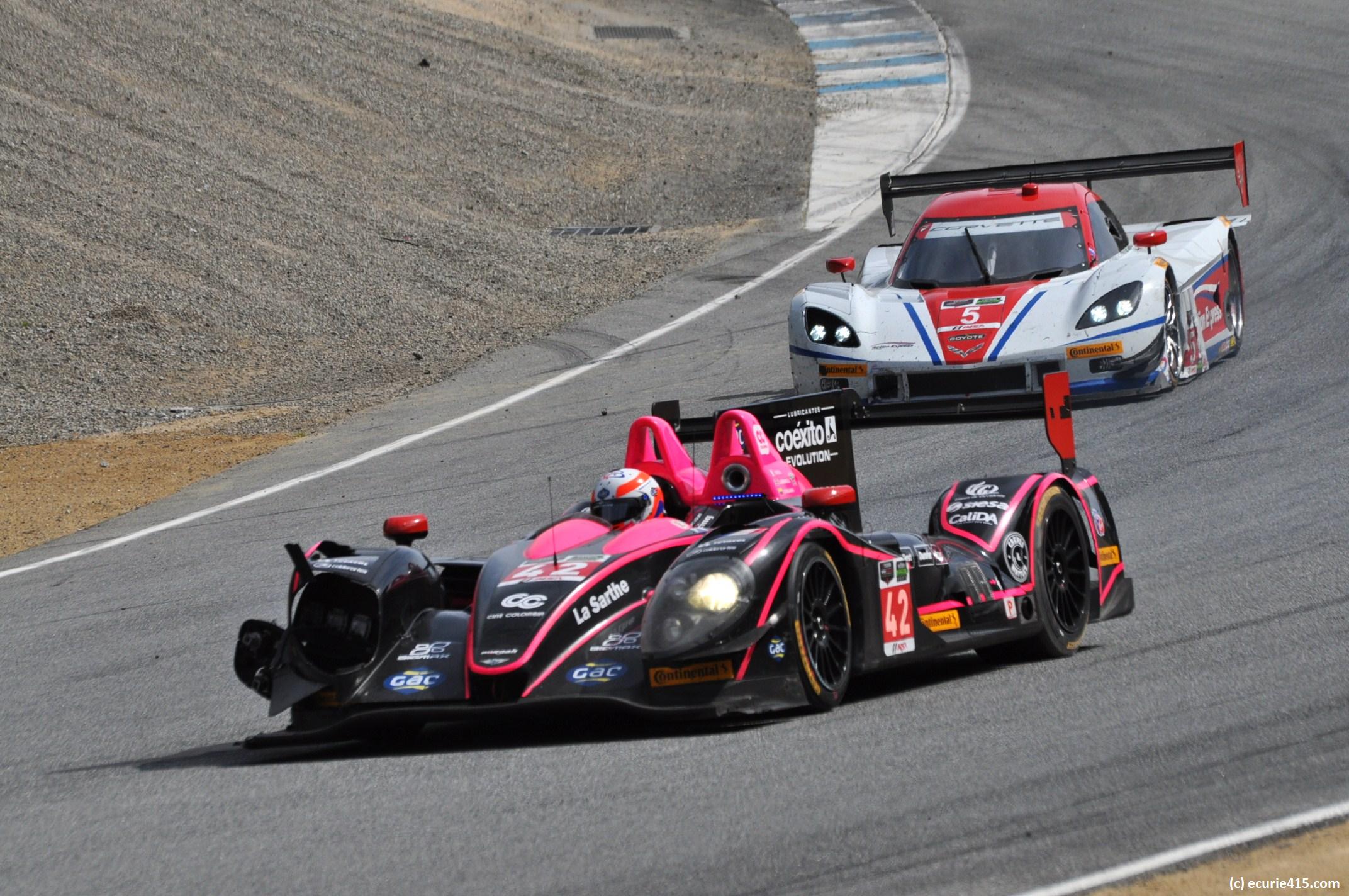
Yacaman stayed hard on Valiante’s bumper for his stint, but Alex Brundle tangled with the Action Express prototype of Christian Fittipaldi at the Corkscrew, leaving the Nissan-Morgan behind (and penalized).  At least its performance reassured those who questioned the future of the LMP2 category.

OakMRLS14

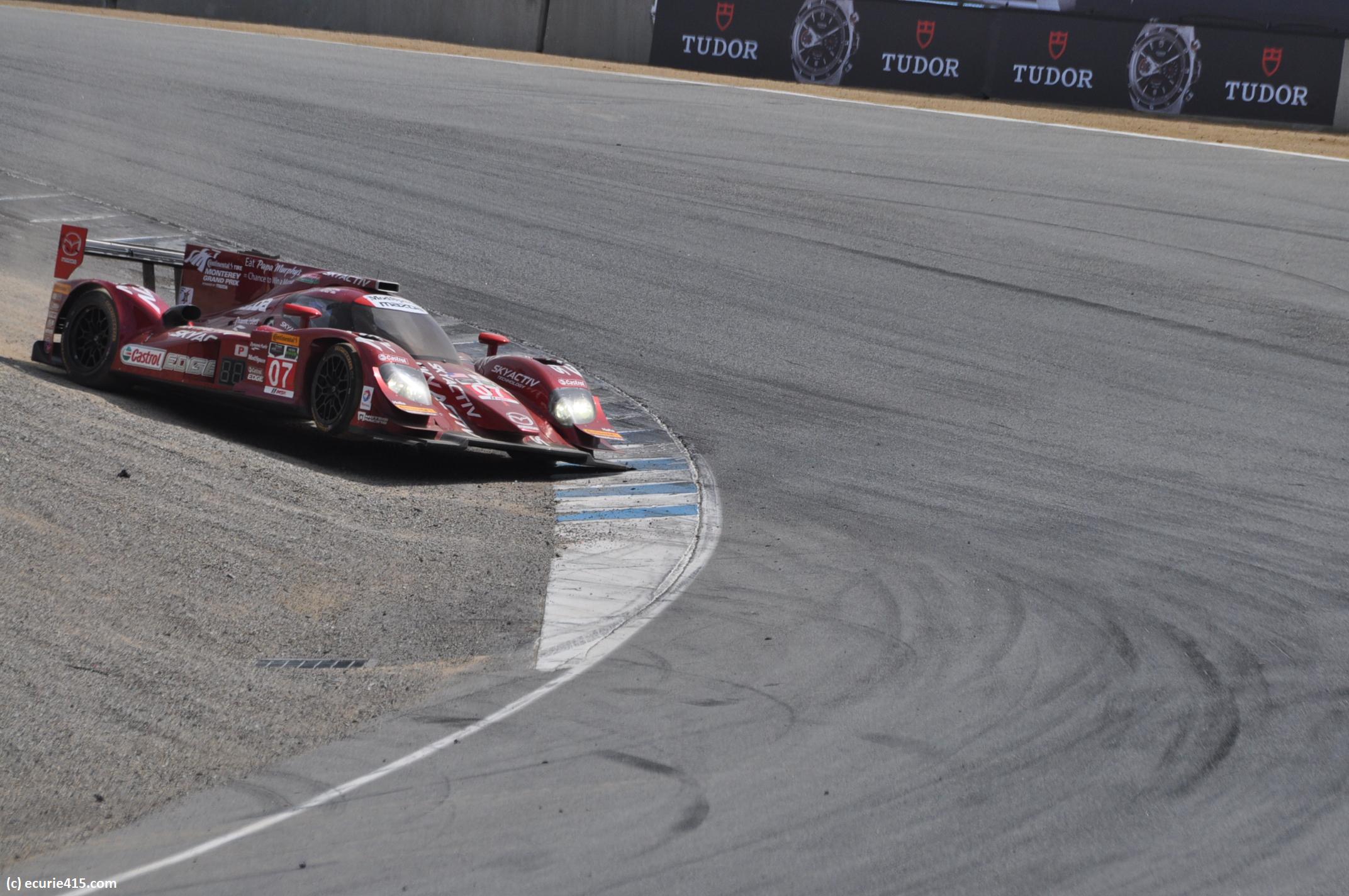
Brundle damages his own car and, ultimately, the 07 Mazda, which retired.

OakLMPMRLS14

This is not the correct way to exit the Corkscrew.

mazda07MRLS14

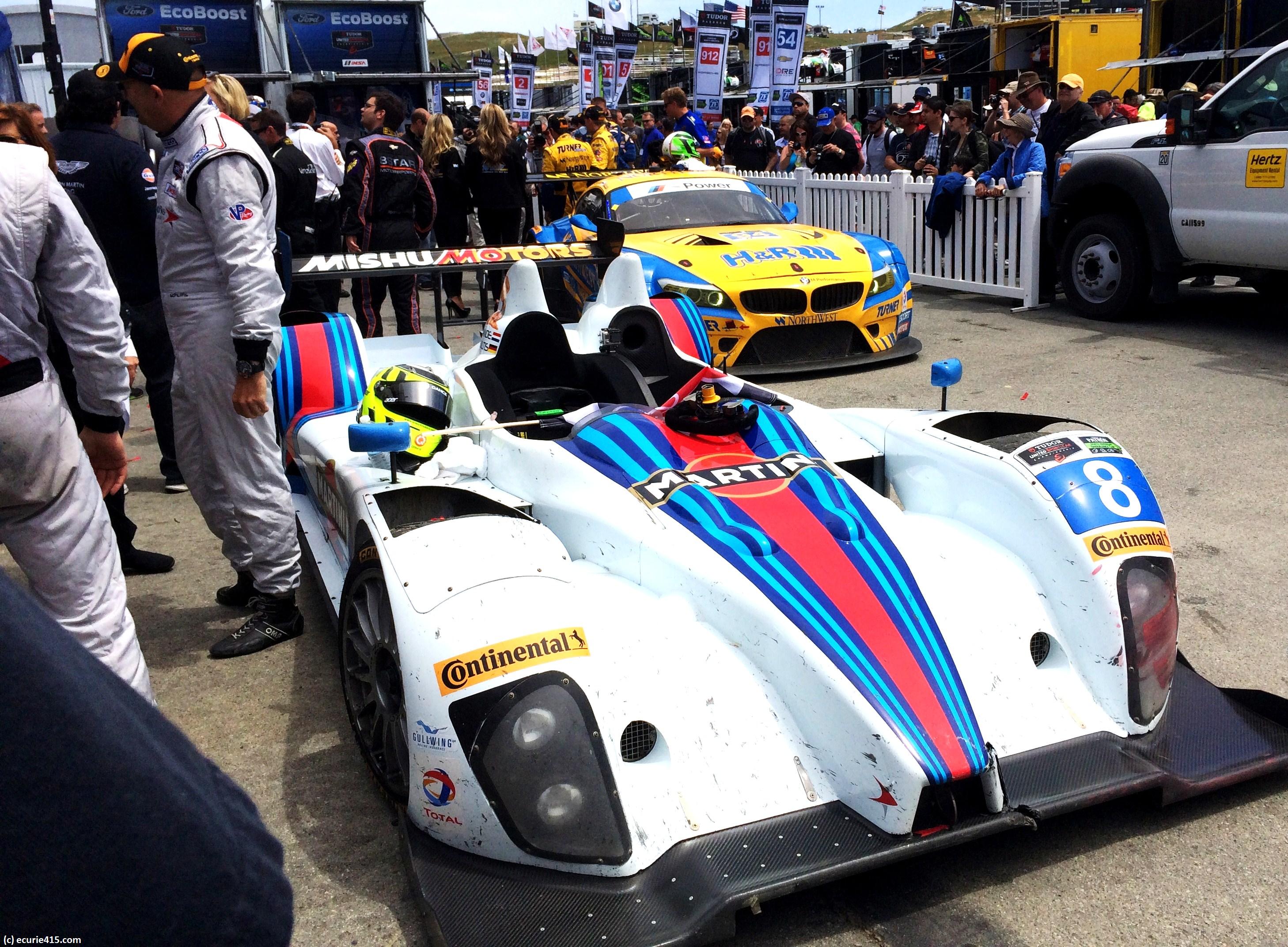
Starworks Motorsport won the PC class in a gorgeous Martini livery, just ahead of 8Star.

Martini

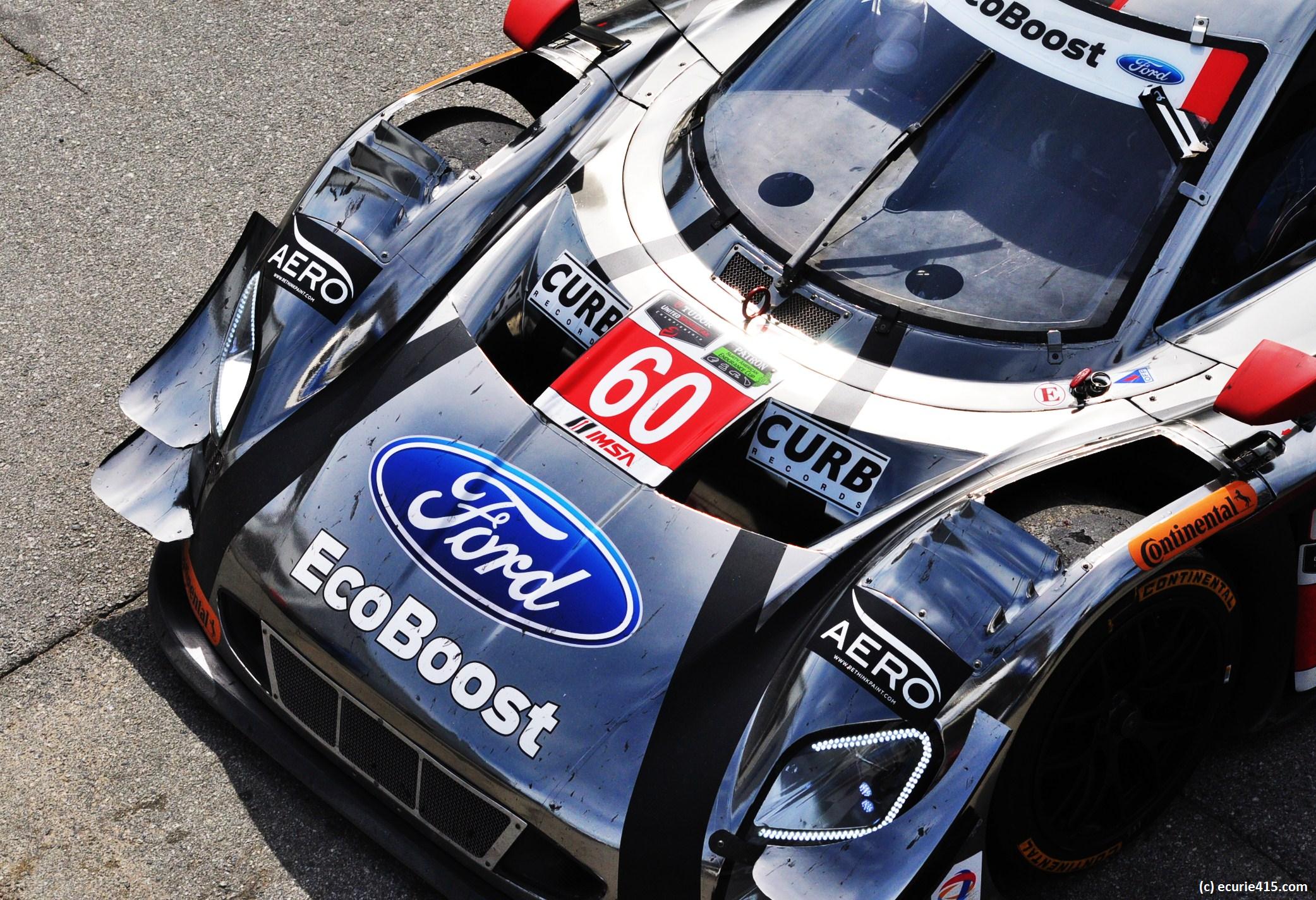
It wasn’t a great day for Ford, despite Ganassi’s third place.

ShankDP

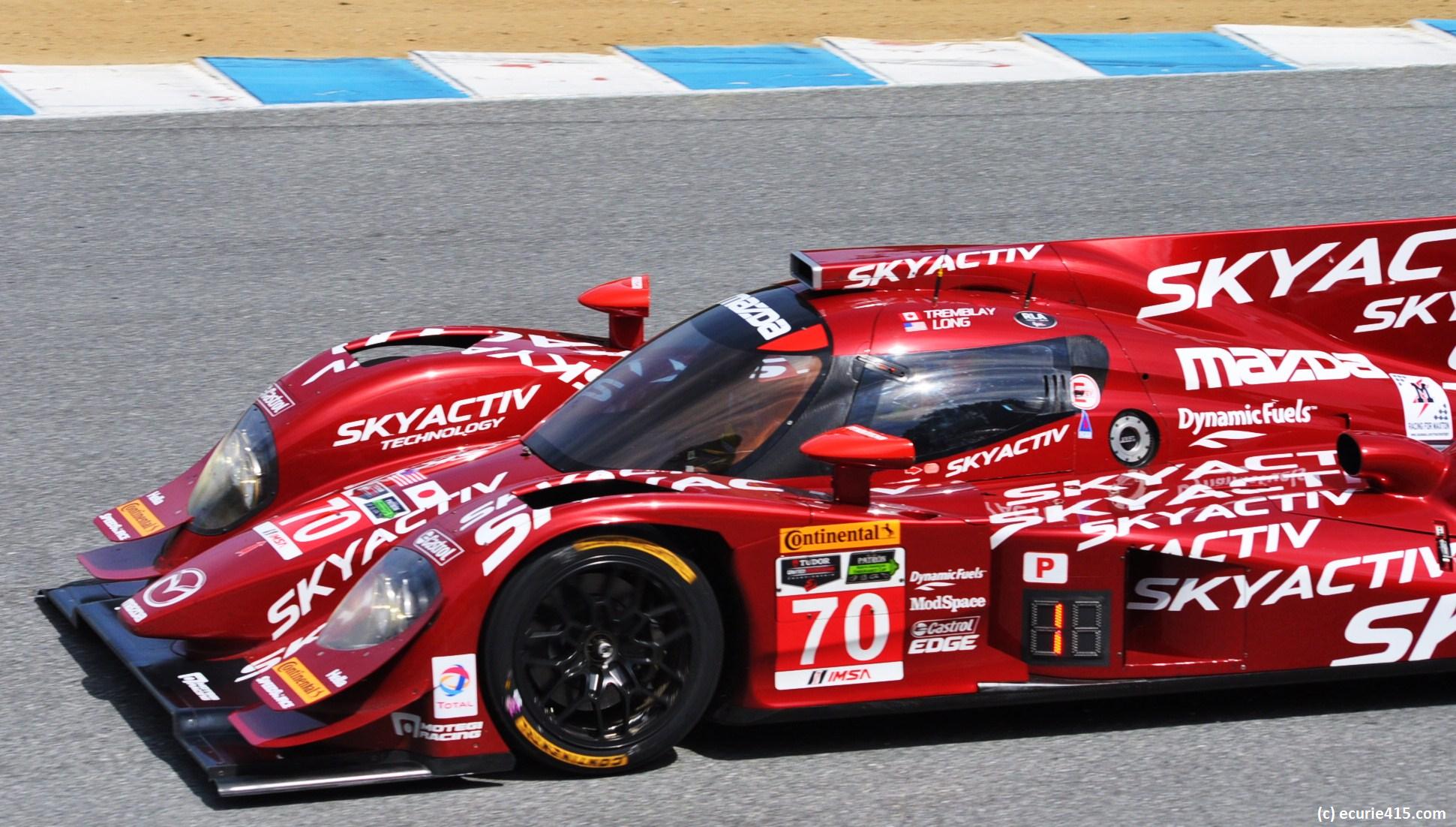
Mazda finished P7 with its Skyactiv Diesel LMP2.  A modest result but huge progress for Speedsource, which has struggled with reliability.  Mazda thinks that it has finally gotten a handle on the vibration issues that previously plagued the four-liter diesel. In its home race, Mazda would have brought both cars home but for the Brundle incident.

MazdaP2

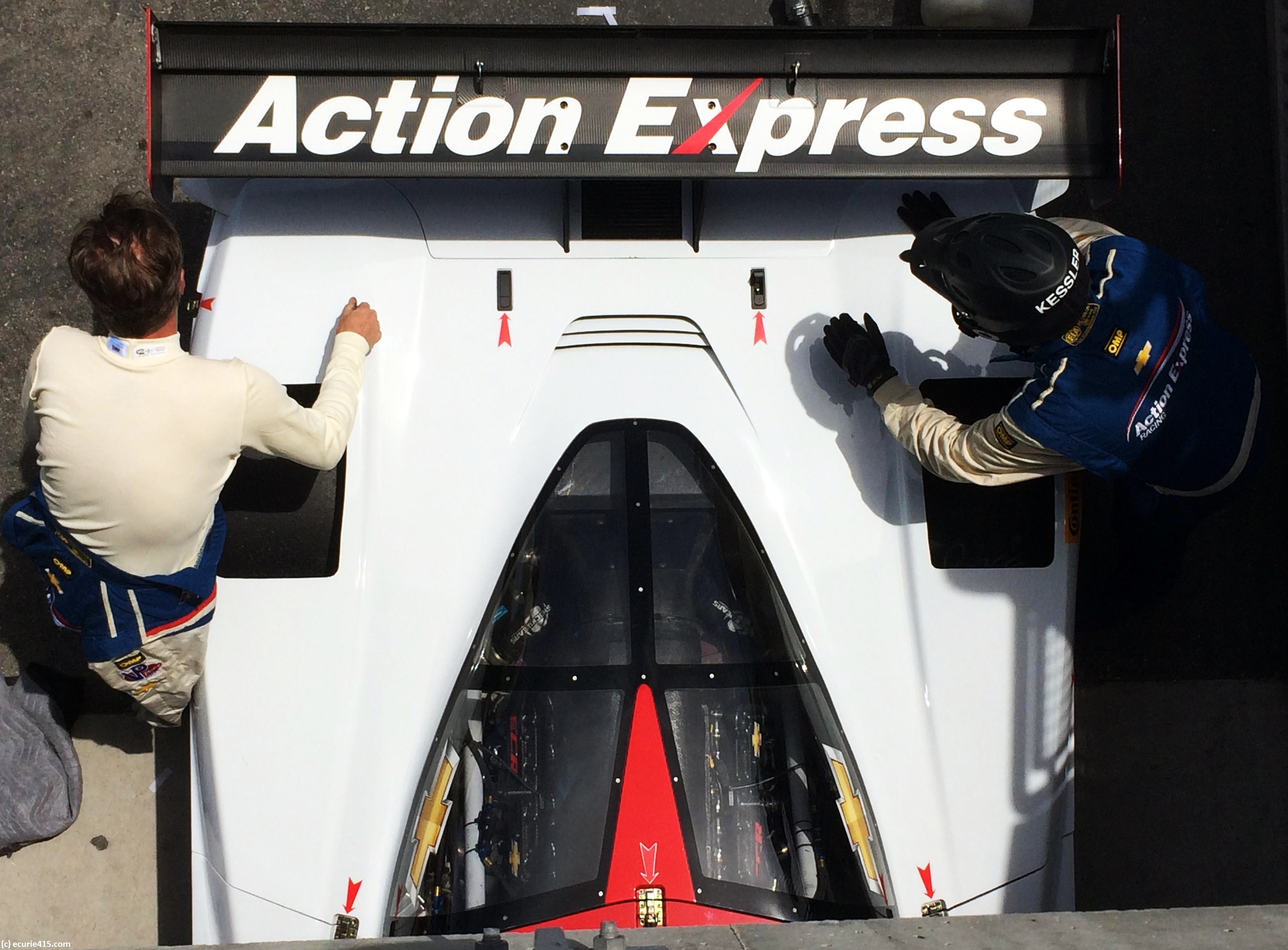
Buttoned up at Action Express Racing, for Christian Fittipaldi and Joao Barbosa.  Despite a chaotic race, the team came away with fourth place and the points lead.

Ax

Third place for Ganassi’s Pruett and Rojas.

Ganassi Ford

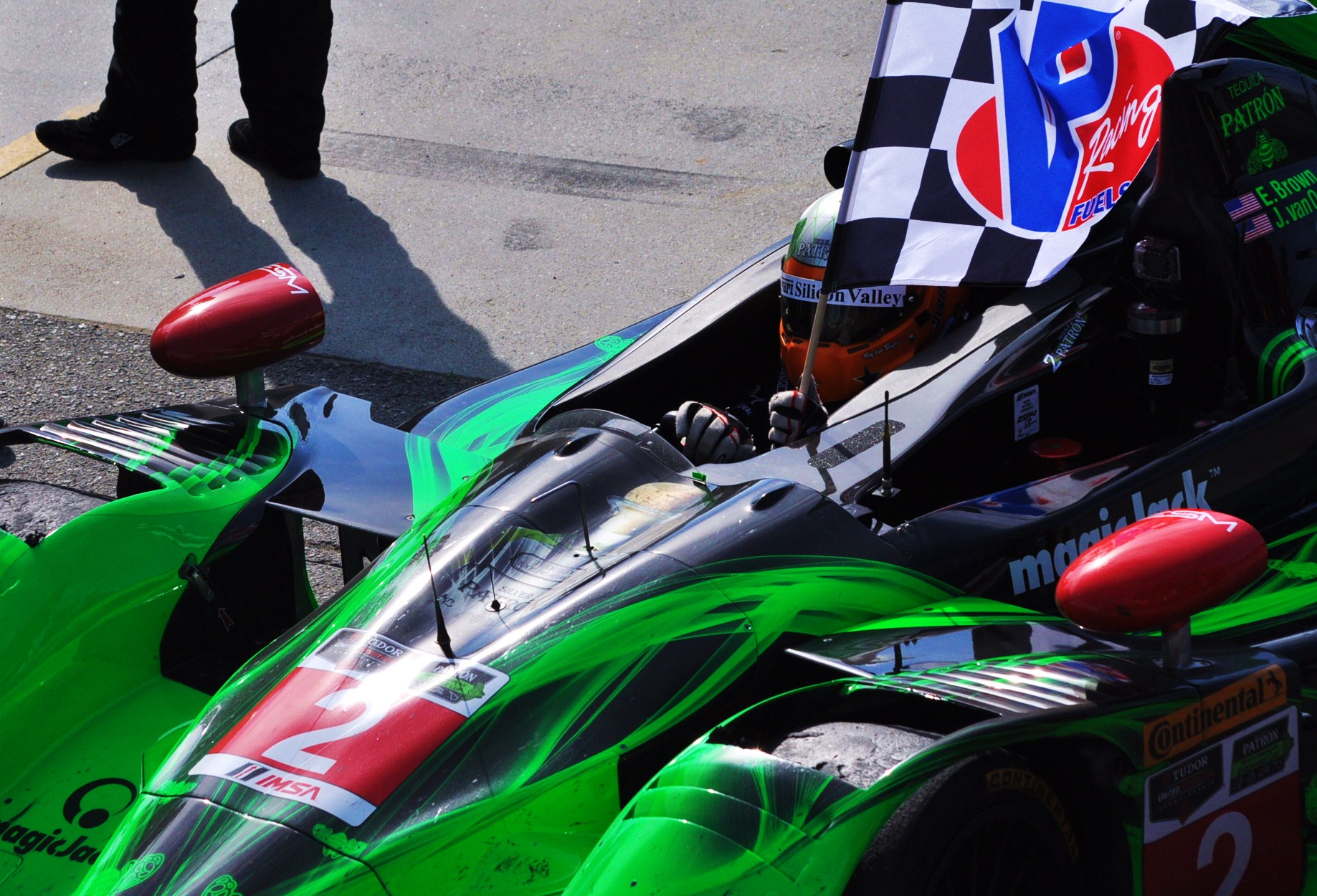
Johannes van Overbeek earned pole, and then turned the wheel over to owner/driver Ed Brown.  Under intense pressure from the DP field, Brown managed to keep the car in contention long enough for “JvO” to return and score the win.

ARX03bMRLS14

DSC_0840


Postcard from Monterey: TUDOR Championship at Mazda Raceway (Pt. 1 – GT)

KrohnFerrari

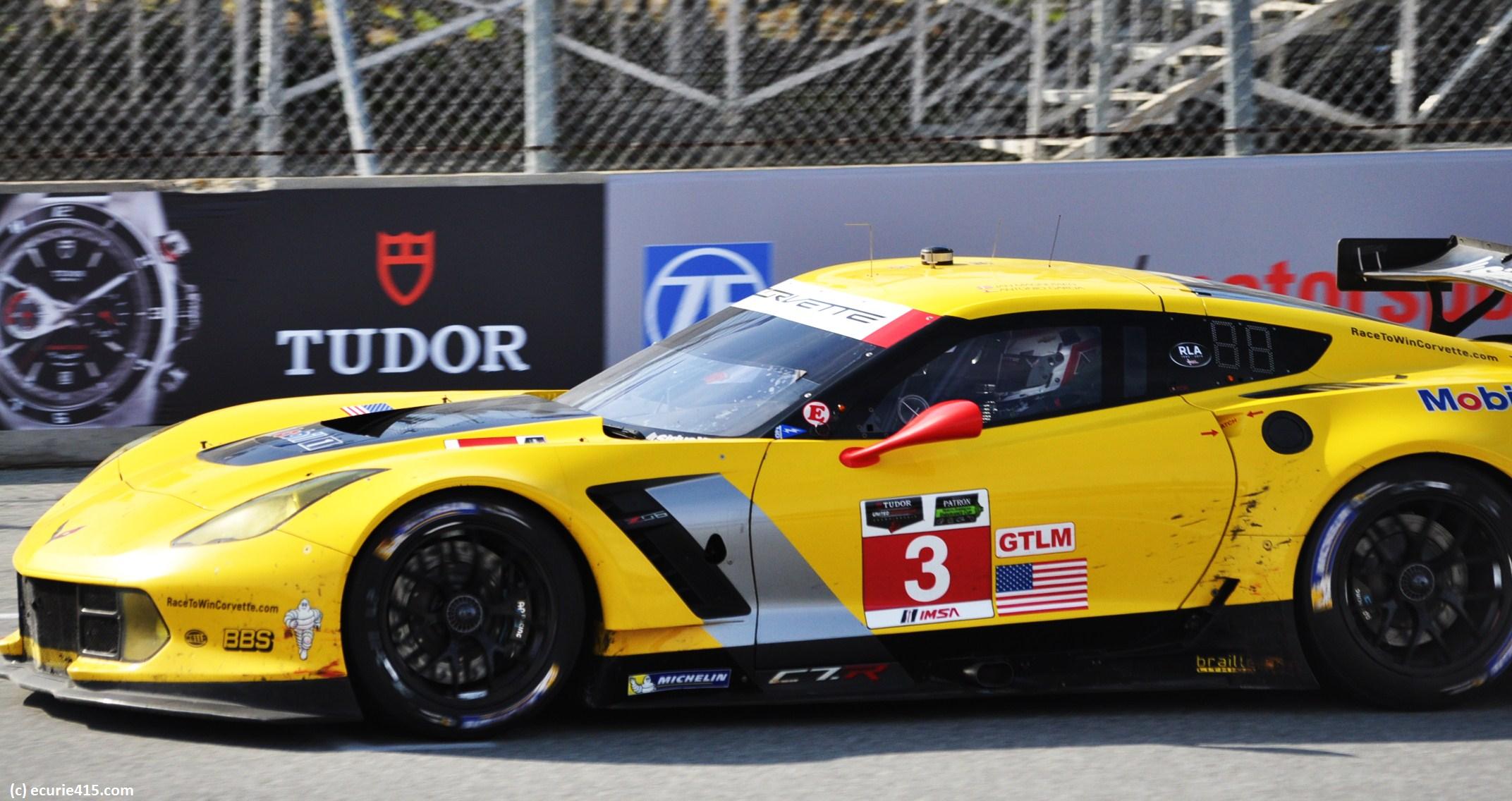
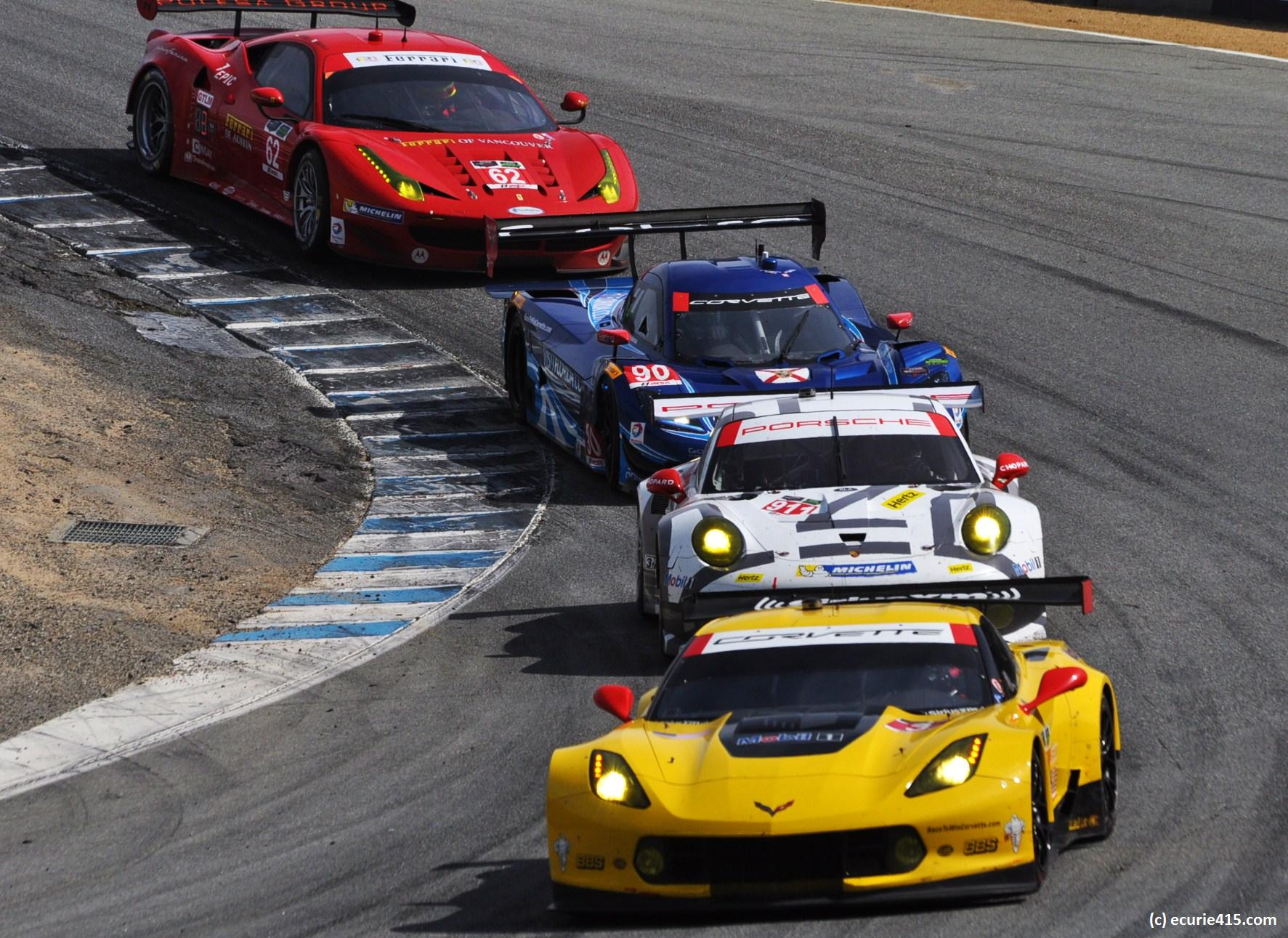
The Monterey debut of the TUDOR United SportsCar Championship lived up to the tradition of close GT racing and Corvette dominance at Mazda Raceway. For Corvette, the GTLM win was its second of the season and its third victory in as many years at Laguna Seca.

Corvette’s driver pairing of Antonio Garcia and Jan Magnussen won at Monterey for the second consecutive year, just weeks after delivering Corvette its first TUDOR win in Long Beach. In GTD – which raced separately due to pit lane space constraints – Dane Cameron and Markus Palttala of Turner Motorsport took top honors in their BMW Z4GTE.

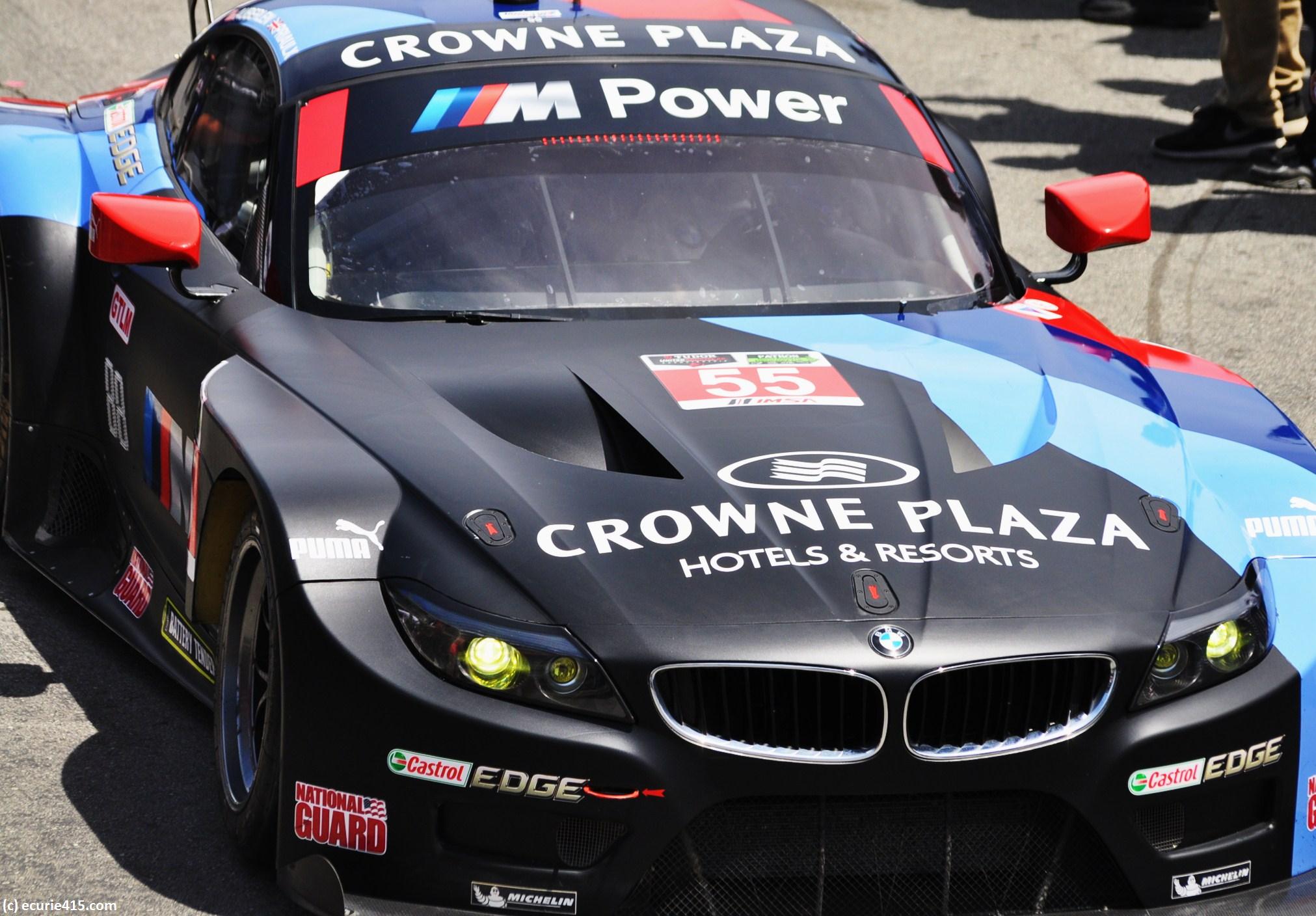
The race-long battle in GTLM between BMW and Porsche was a textbook example of hard racing, but it ended with a penalty against Nick Tandy and Porsche.  IMSA has seen three races end with penalties, all of which have caused controversy.  This remains an area of concern for the series, although both Tandy and Edwards are smart drivers who should be allowed to race each other. But with caution-free racing, pristine weather, and a sprint-to-the finish race format, both GT classes delivered the goods at Mazda Raceway.

And for Magnussen and Garcia, who seem to have claimed ownership of the Monterey Peninsula, the California sun shone a little more brightly.

***

CorvetteC7Laguna

Magnussen (above) started in the lead Corvette, but Garcia set a lap record in qualifying.

CorkscrewTudorMRLS14

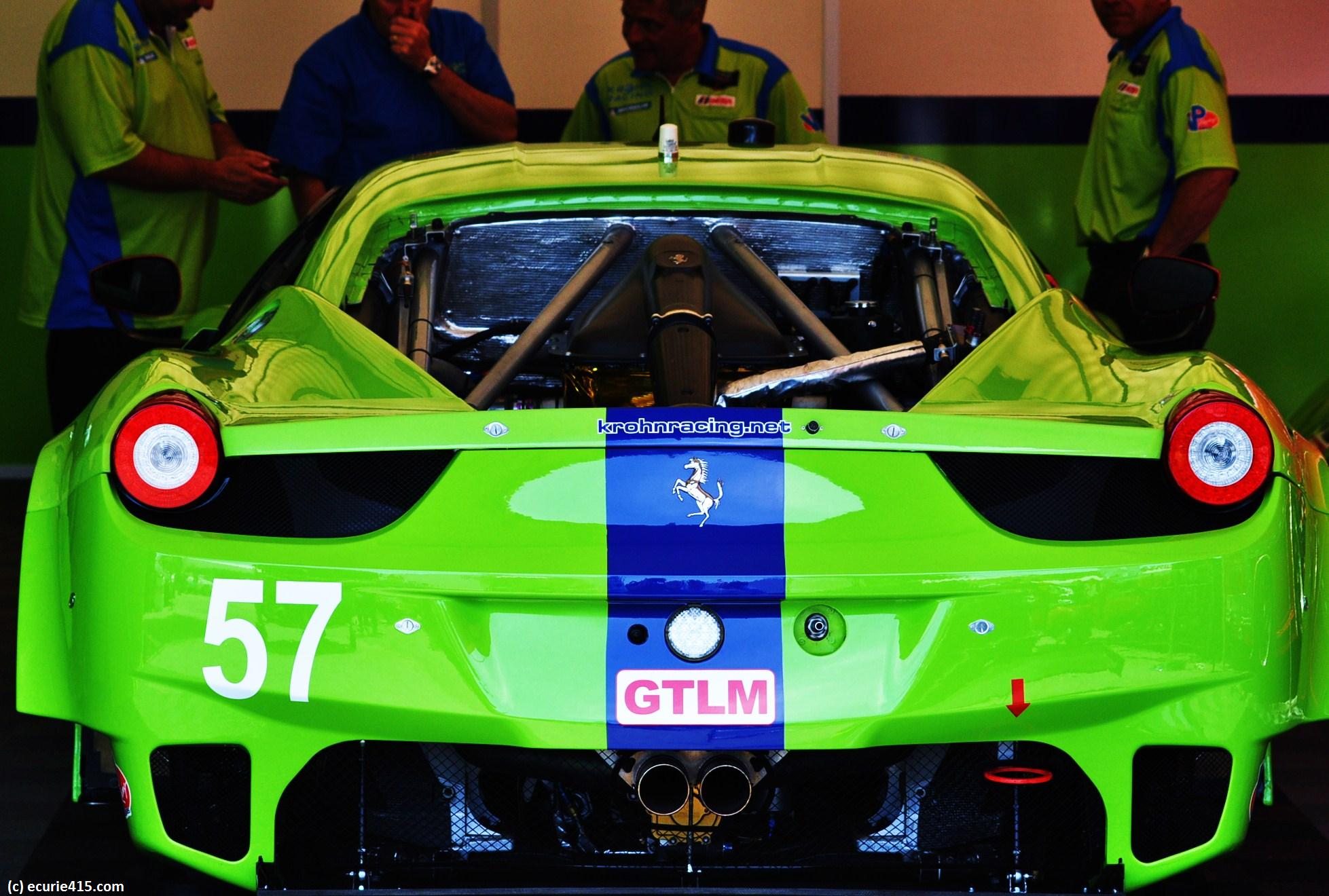
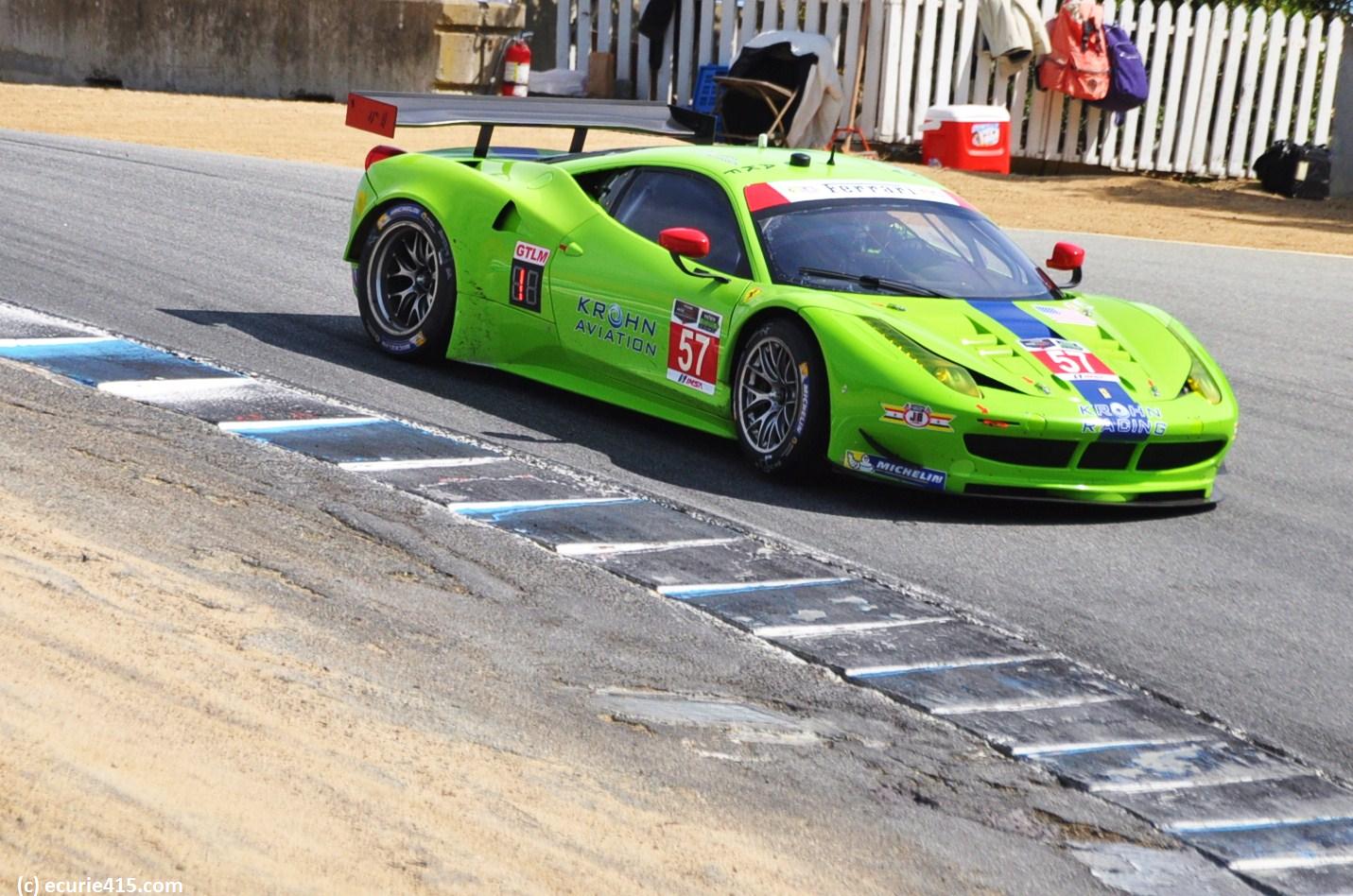
Krohn Racing returned from the World Endurance Championship to race as the lone privateer in GTLM.  The F458 looks fantastic in Krohn’s traditional green livery.

KrohnFerrari458

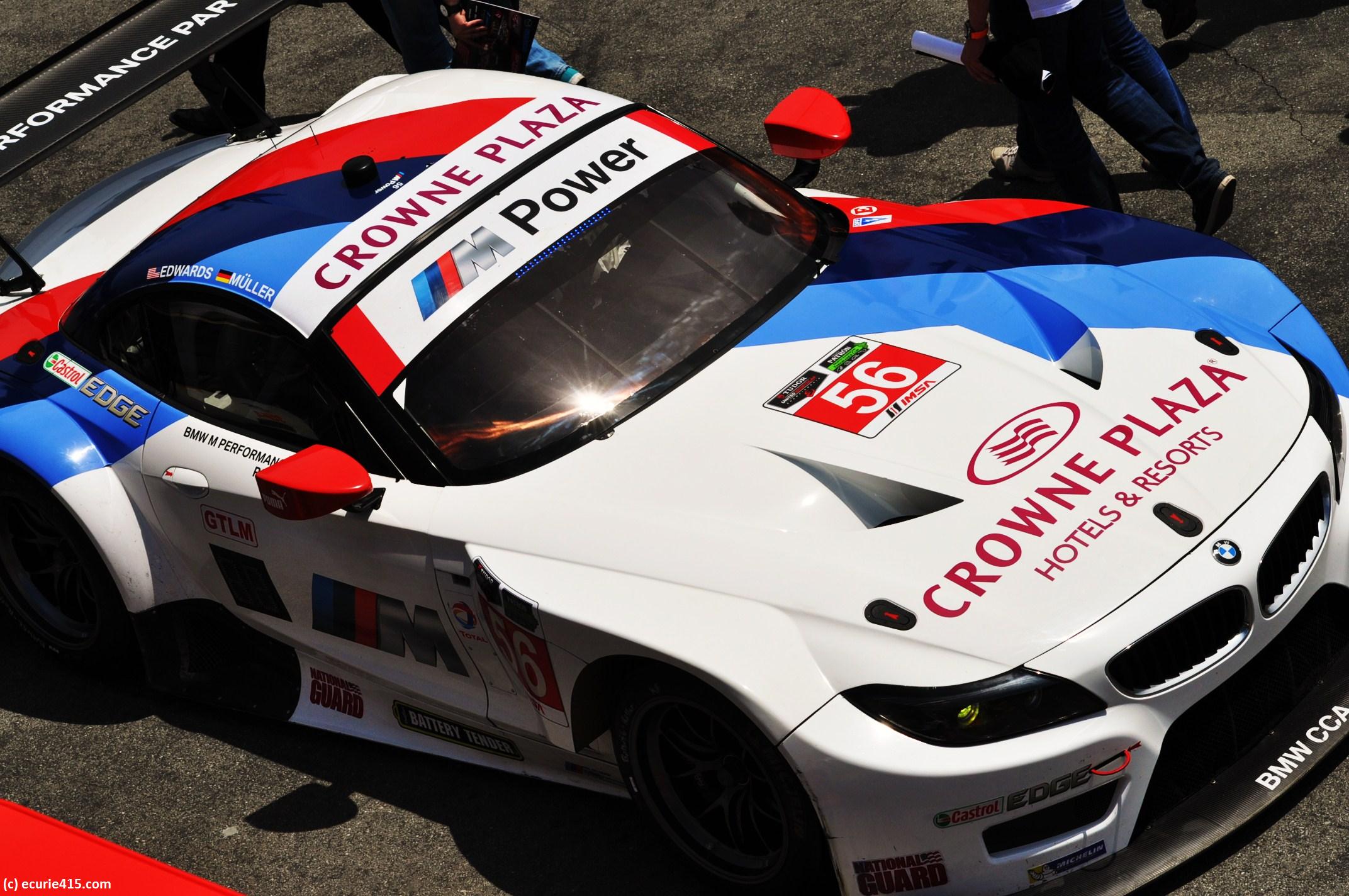
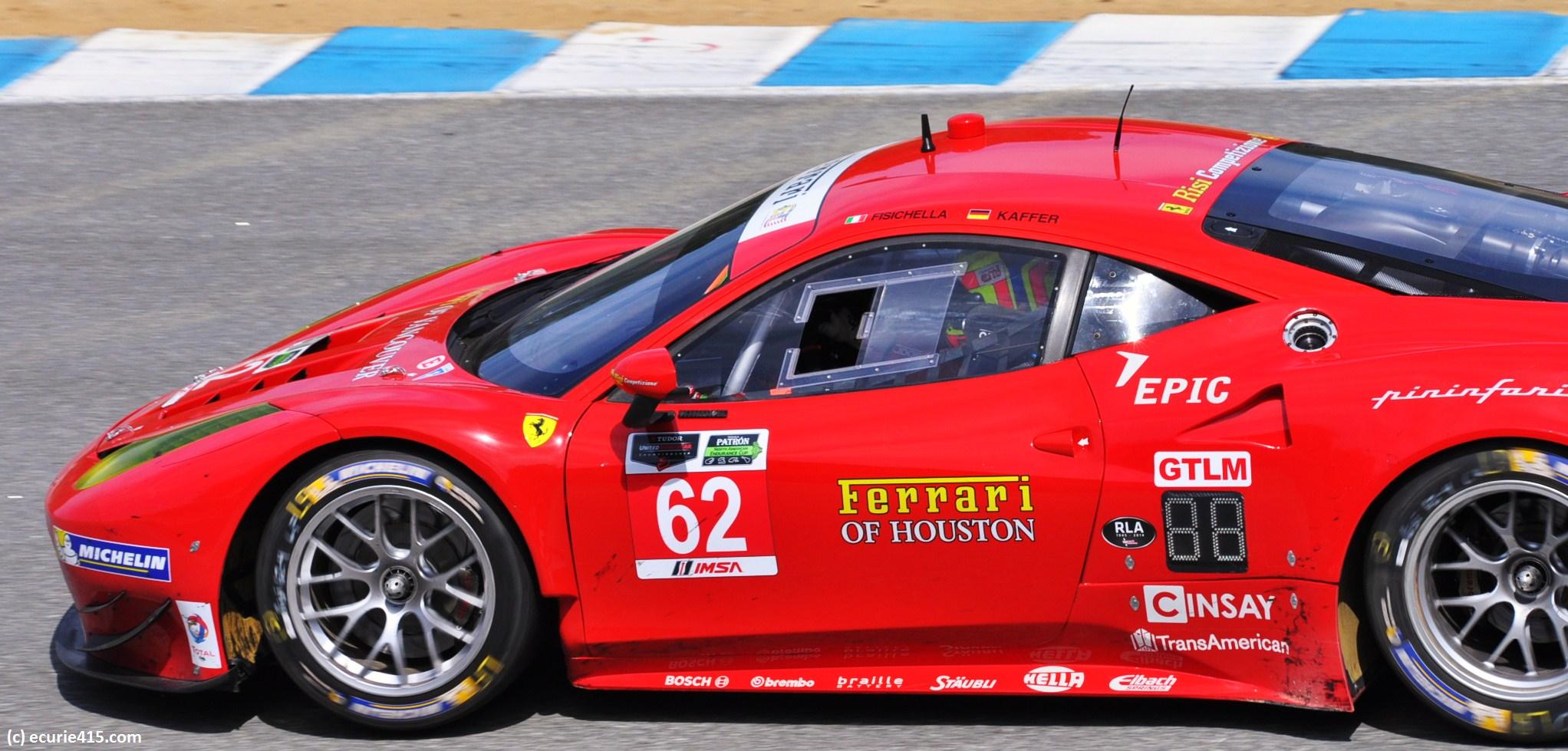
Bill Auberlen and Andy Priaulx scored a podium for BMW, after tussling in the late laps with a factory Porsche driven by Nick Tandy. A post-race penalty against Porsche demoted Tandy’s car to ninth and elevated Giancarlo Fisichella’s Risi Competitzione Ferrari to third place.  The question that wasn’t answered is how much of BMW’s pace comes down to pure performance, and how much is down to performance breaks from IMSA.

M3Monterey

BMWEdwards

Dodge re-branded its SRT division just as the Viper arrived in Monterey, so this car may look slightly different at the next race.  The TUDOR-spec version features an 8.0 litre V-10 under the hood, putting out somewhere near 490 hp. Mated to a set of paddle shifters, the Viper can reach speeds of up to 185 mph. With its booming exhaust and aggressive styling, the Viper has always been a crowd favorite.

Viper

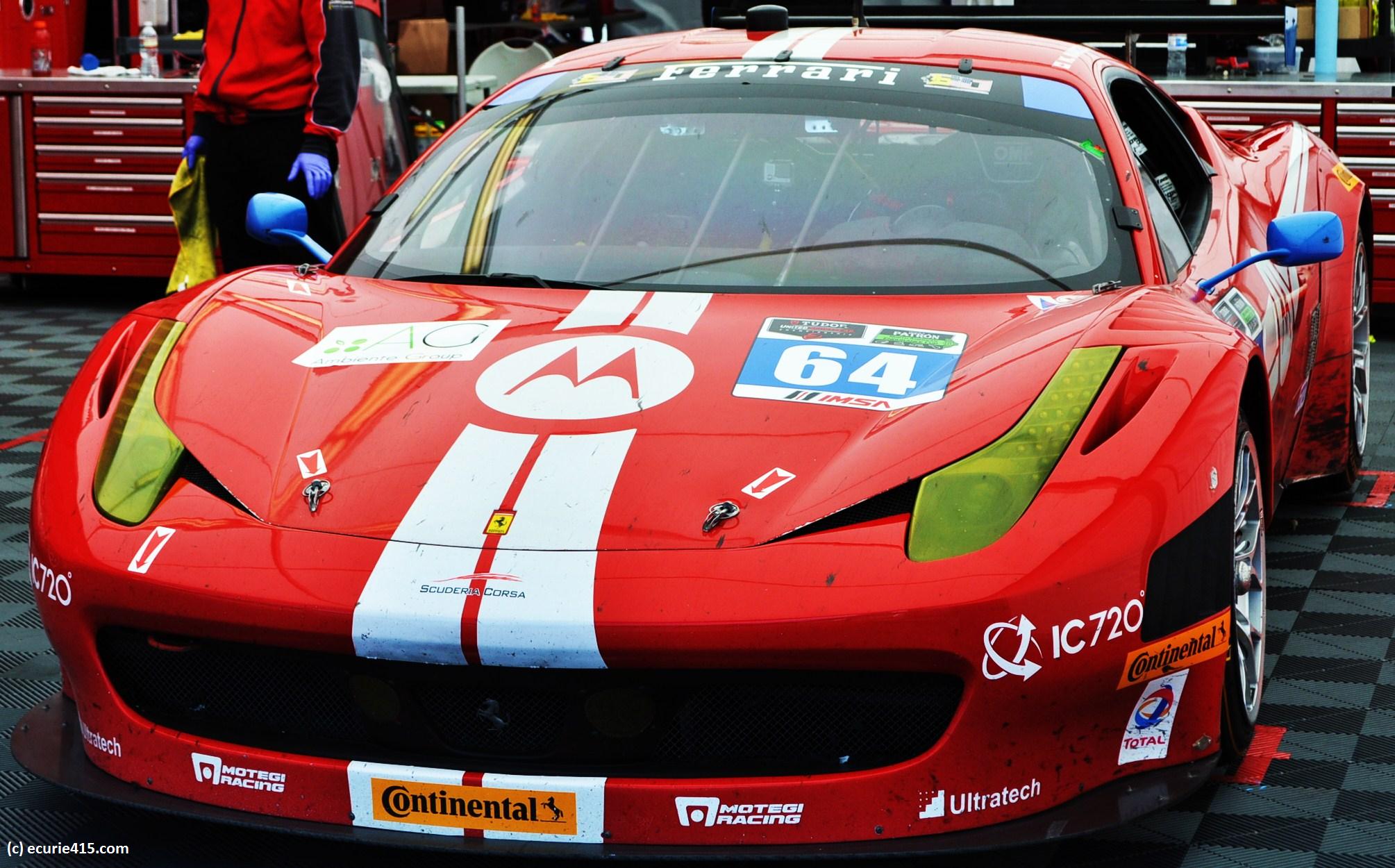
The 458 Italia is a stunner.  The GTD version, shown below, was prepared by Scuderia Corsa.  The 64 car (below) finished 10th at Mazda Raceway, with its sister car finishing in seventh.

Ferrari458Italia

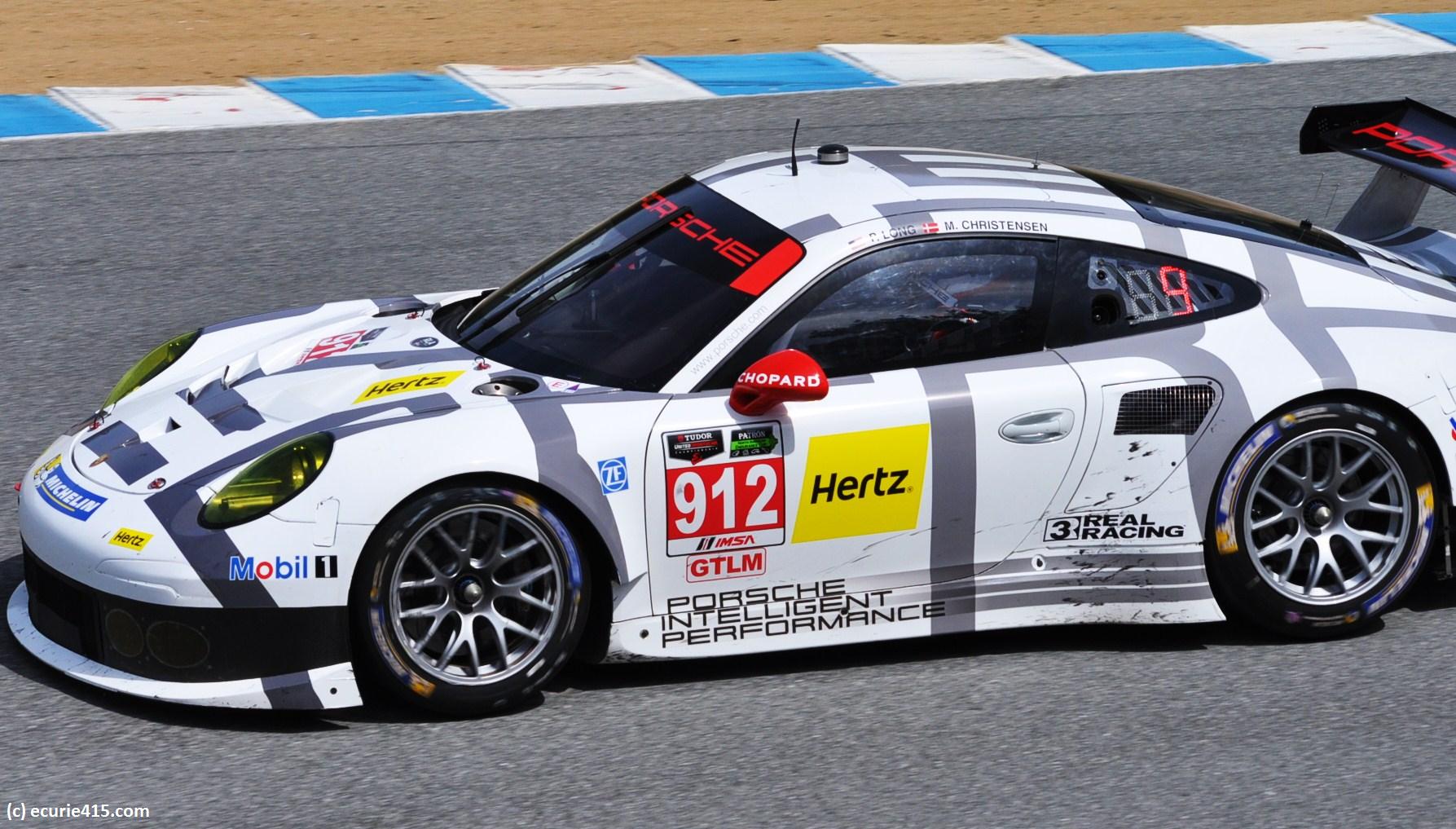
The Porsche factory effort was cursed at Mazda Raceway; the lead 911 of Nick Tandy was penalized for contact with the BMW of John Edwards, and the 912 survived a few incidents to finish ninth (eighth after Tandy’s penalty).

Porsche911MRLS14

Porsche misfortune turned into a bonus for Risi Ferrari, which finished third after the penalty.

DSC_0783

Andy Lally’s Magnus Racing Porsche looked slightly worse for wear after a podium in Race One.

MagnusPorscheMRLS

Crowds continue to pack the grid walk.

DSC_0636


Monterey GP – TUDOR United Sports Car Championship debuts at Mazda Raceway

BMWMontereyGP

The TUDOR United SportsCar Championship made its formal debut this weekend at Mazda Raceway, the first race in Monterey since the ALMS and Grand-Am fields were formally joined.  ESM Racing made it another first, becoming the series’ first LMP2 race winner, and reassuring (at least momentarily) those who questioned IMSA’s ability to balance Daytona Prototypes and ACO-based LMP2s.

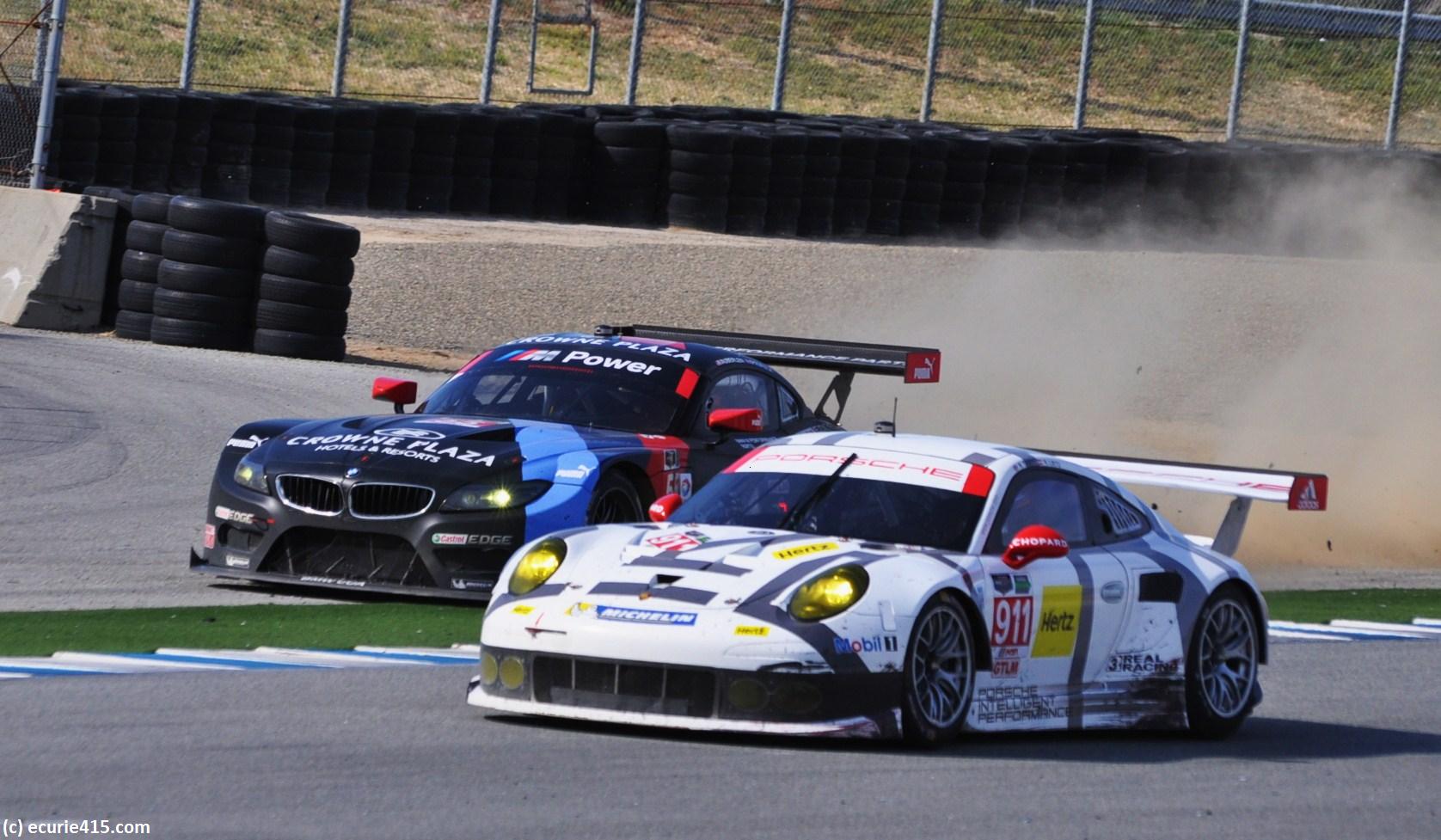
More pictures to follow, but the photo above is the end result of an incident between the Porsche 911 of Nick Tandy and the BMW Z4GTE of RLL Racing’s Bill Auberlen.  Auberlen and Tandy made contact coming out of turn 11 and again on the last lap, leading IMSA to assess a penalty on Tandy’s car and demoting it to ninth place in GTLM.  Was the contact worth a penalty, or was it a case of hard racing in the waning laps of a race?

When “GT” meant “good times” – ALMS memories

FlLiz997

The Tudor United Sports Car Championship debuts at Mazda Raceway-Laguna Seca May 2-4. So far, the unified series of former ALMS and Grand-Am teams has made for an awkward fit.  Among the new items for 2014: the absence of the LMP1 prototypes (not welcome), a switch to Continental rubber for prototypes, and separate GT classes for Le Mans and Daytona runners.

The transition hasn’t been easy: the series struggled for months to hand out rules and performance specs, waiting too late for some teams.  The first two races – at Daytona and Sebring – ended in confusion and acrimony, as the series penalized (and later reversed) the Daytona winner, and took certain victory away from Alex Job Racing at Sebring by punishing the wrong Porsche for contact.  A few notable teams from the two former series have elected to sit the year out, and the LMP2 teams have struggled to keep up with their DP brethren.

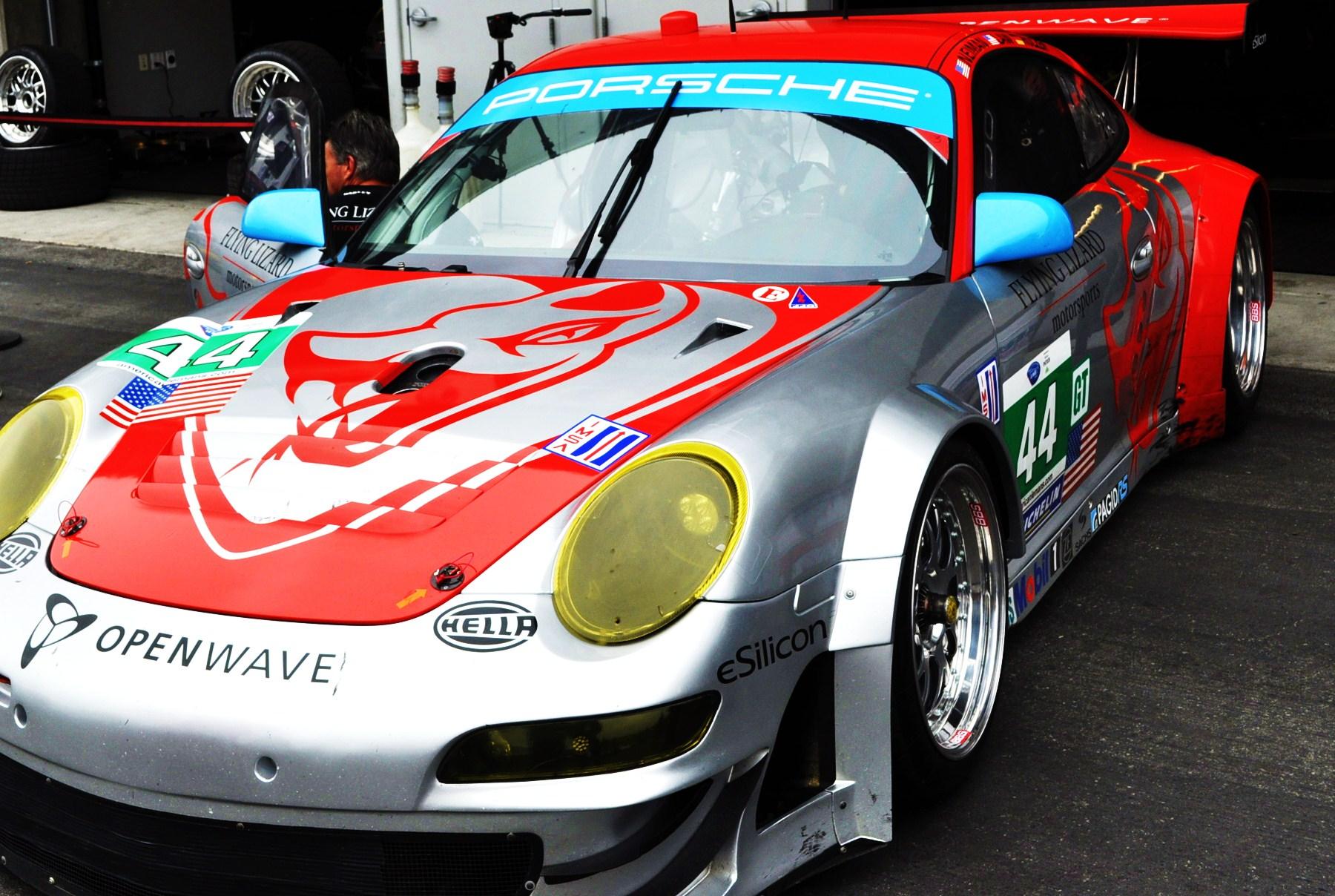
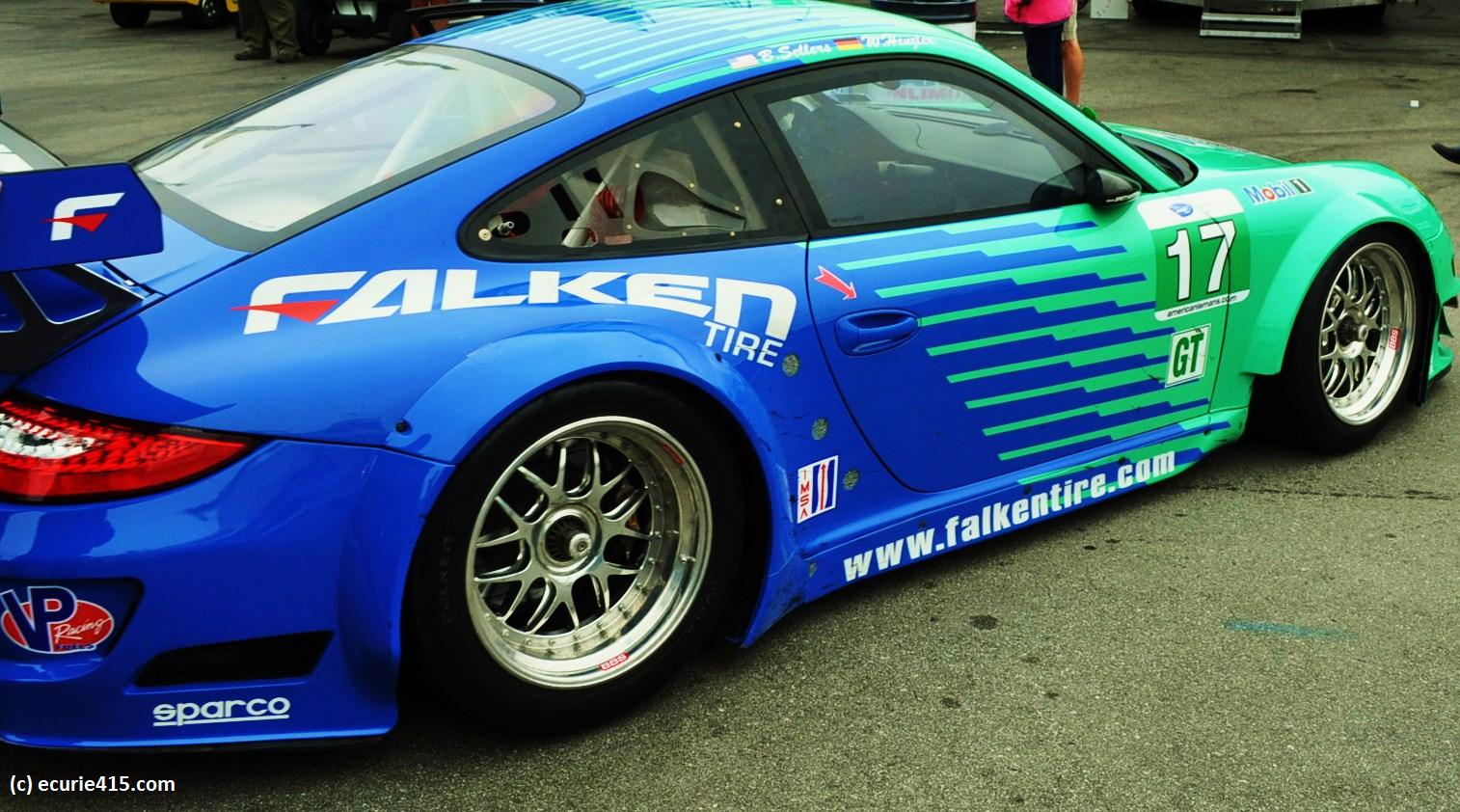
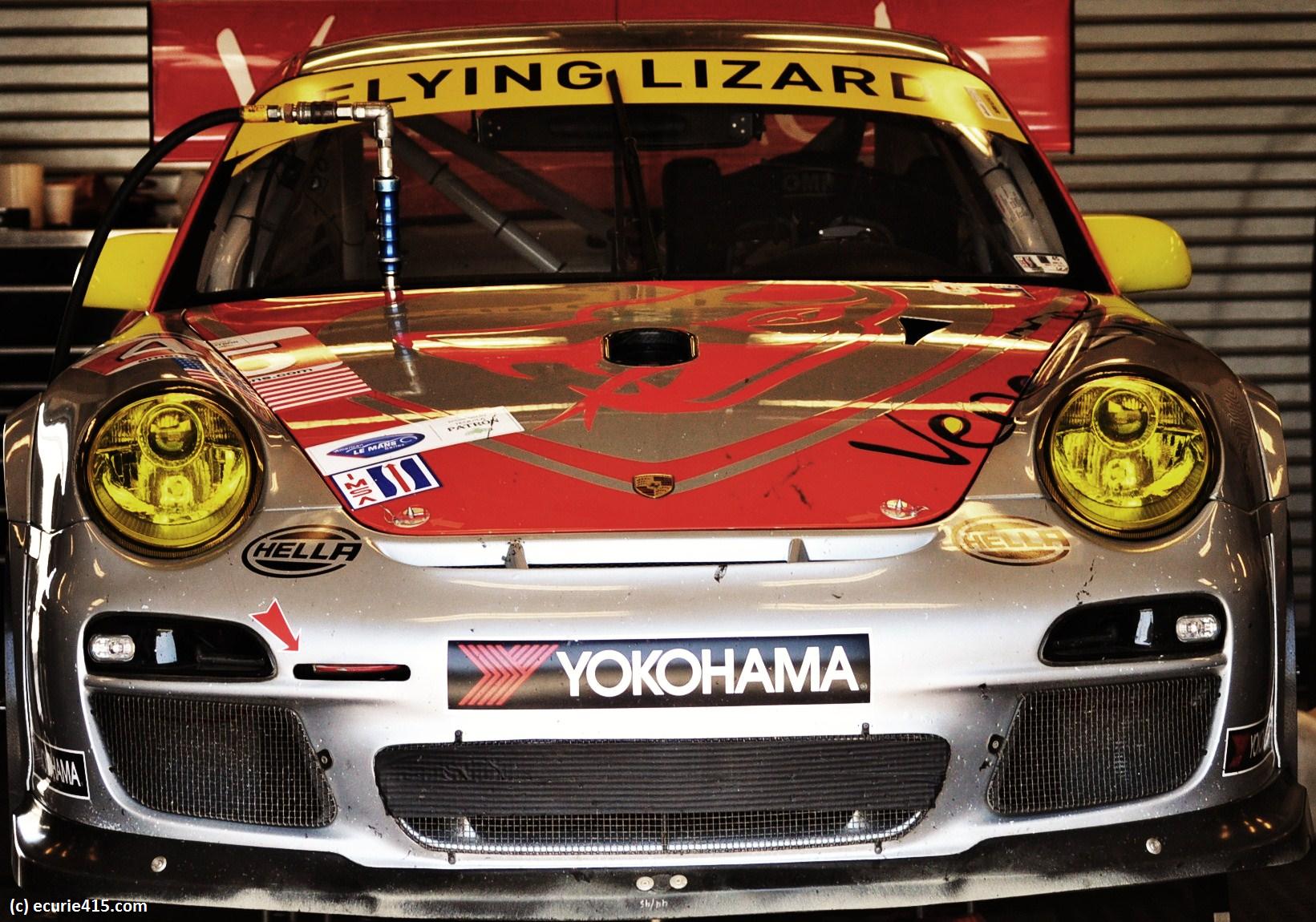
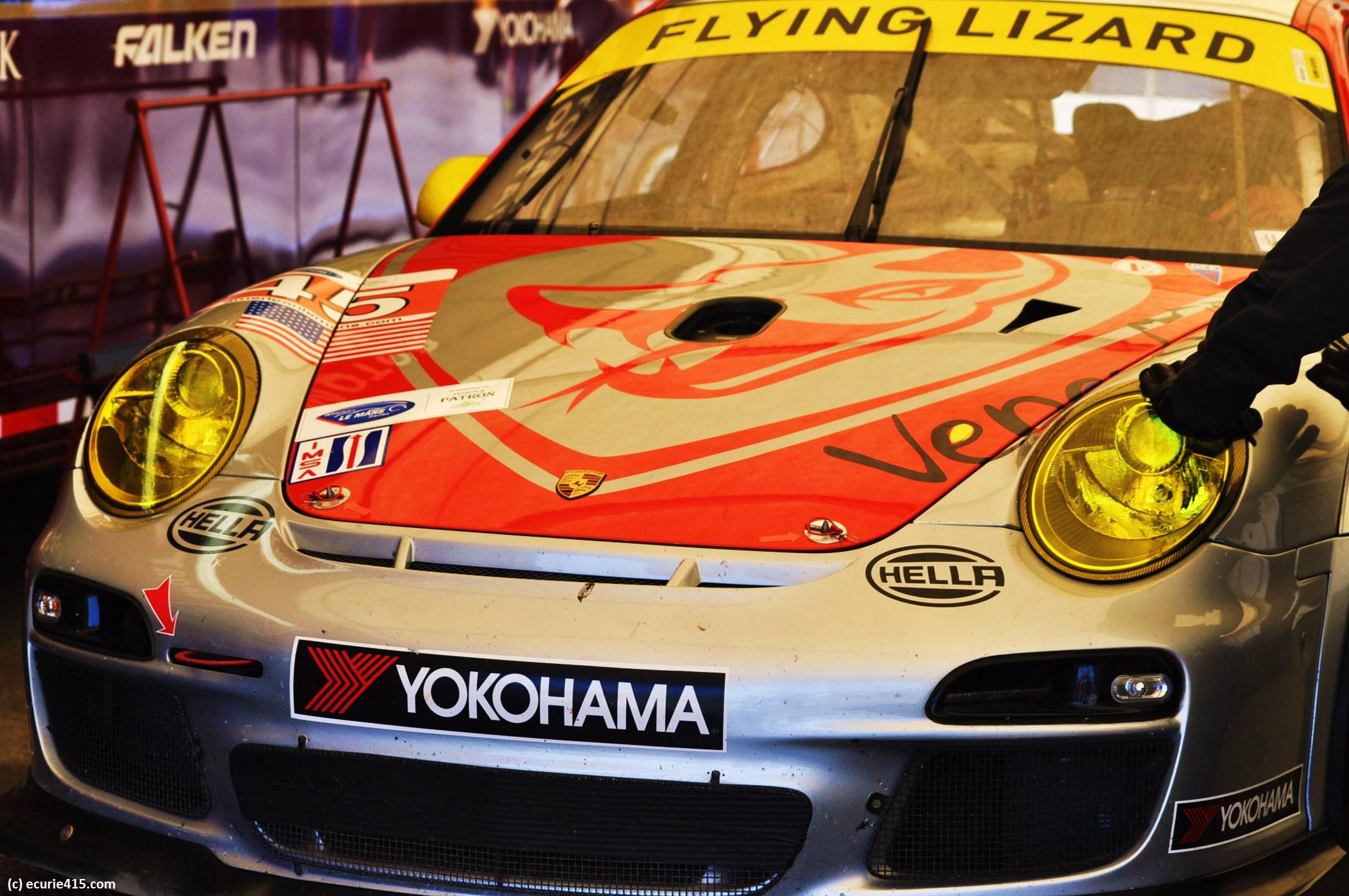
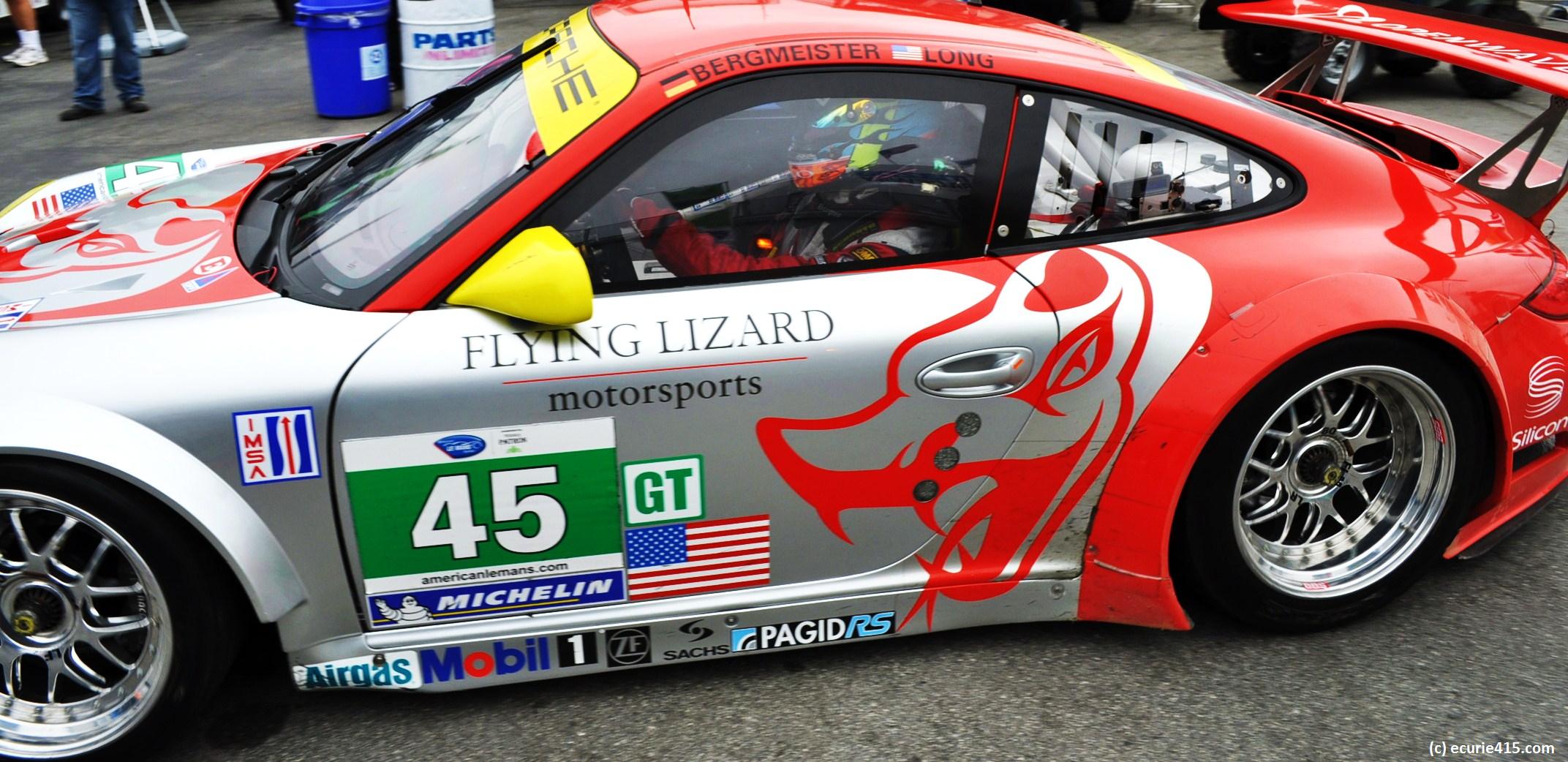
Times like these, a race fan needs a stiff constitution.  Good memories help, too.  That’s why I went through the archives for some of my favorite ALMS cars.  Like the Flying Lizard Porsche 997 GT3-RSR (top), which failed to finish at Le Mans.  Or the Falken Tire Porsche 997 GT3-RSR, with its distinctive teal livery.  Enjoy the memories…

FalkenGT3

Another look at the Flying Lizard Porsche:

Flying Lizard Porsche

FLLizardPorsche

FlyingLizardPorsche2

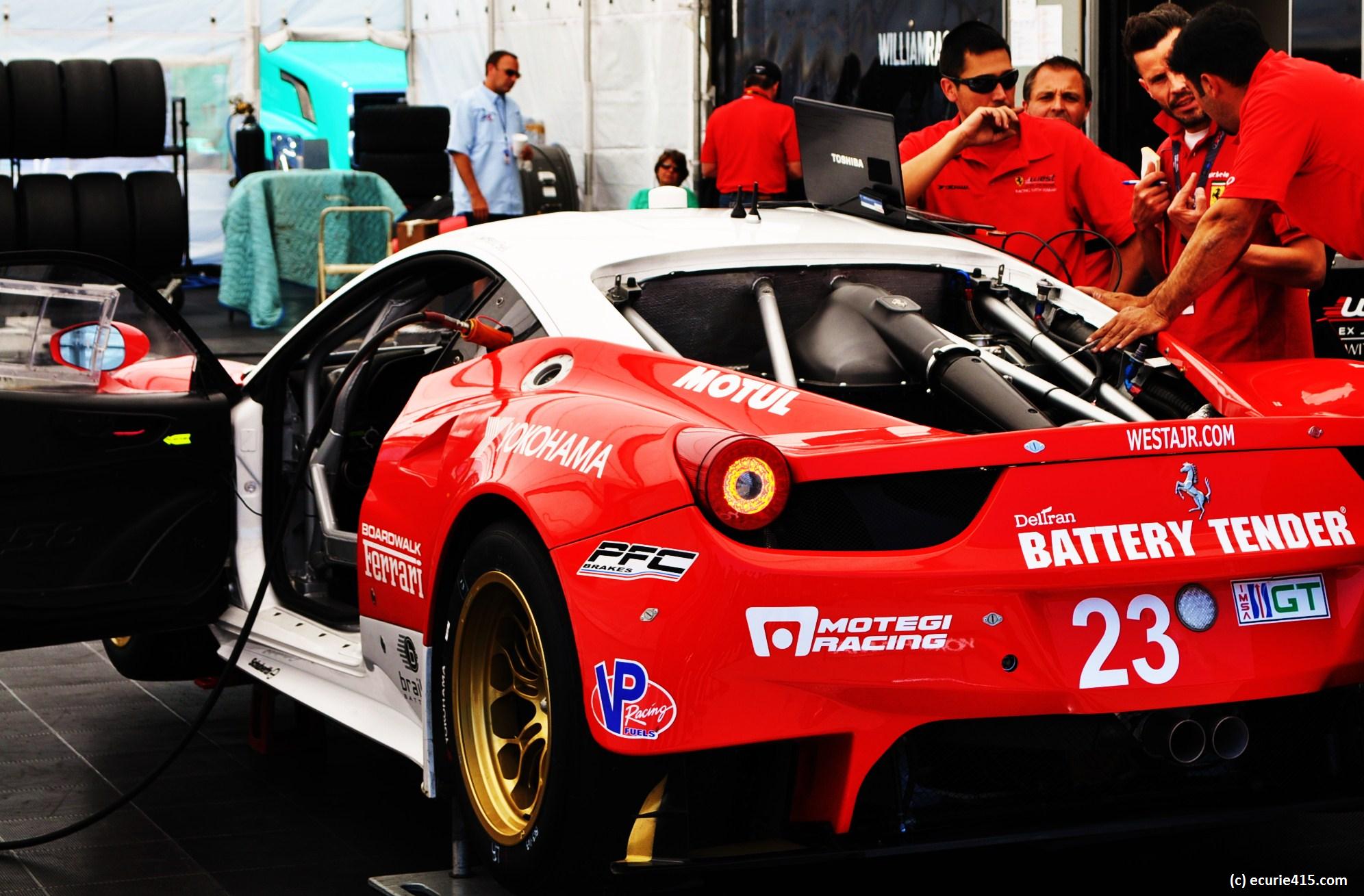
A Ferrari 458 (2013) requires an Italian mechanic, gesturing wildly.

ALMSFerrari13

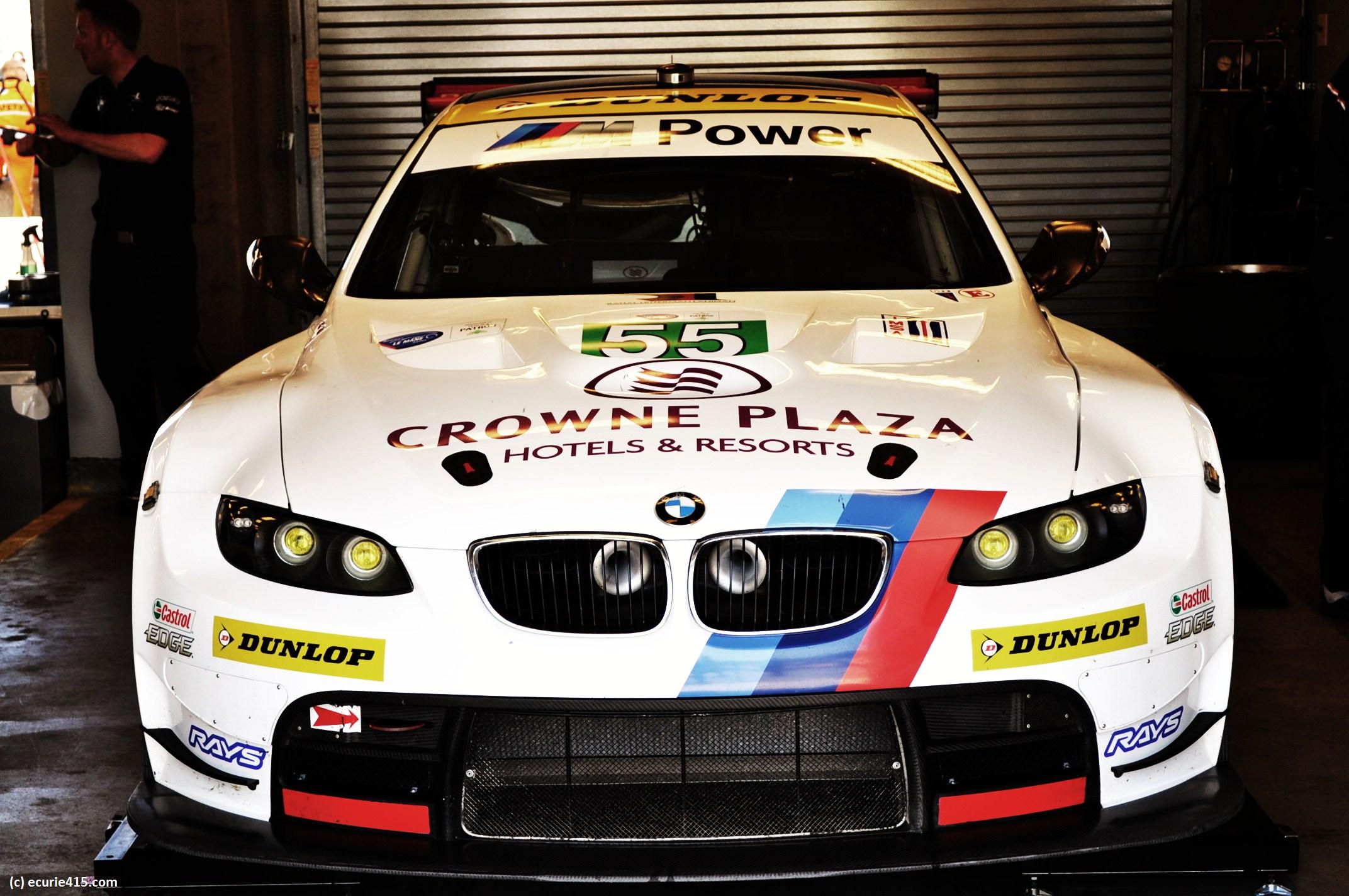
BMW M3 (2012) looked great, but should have won more races.

ALMSBMW

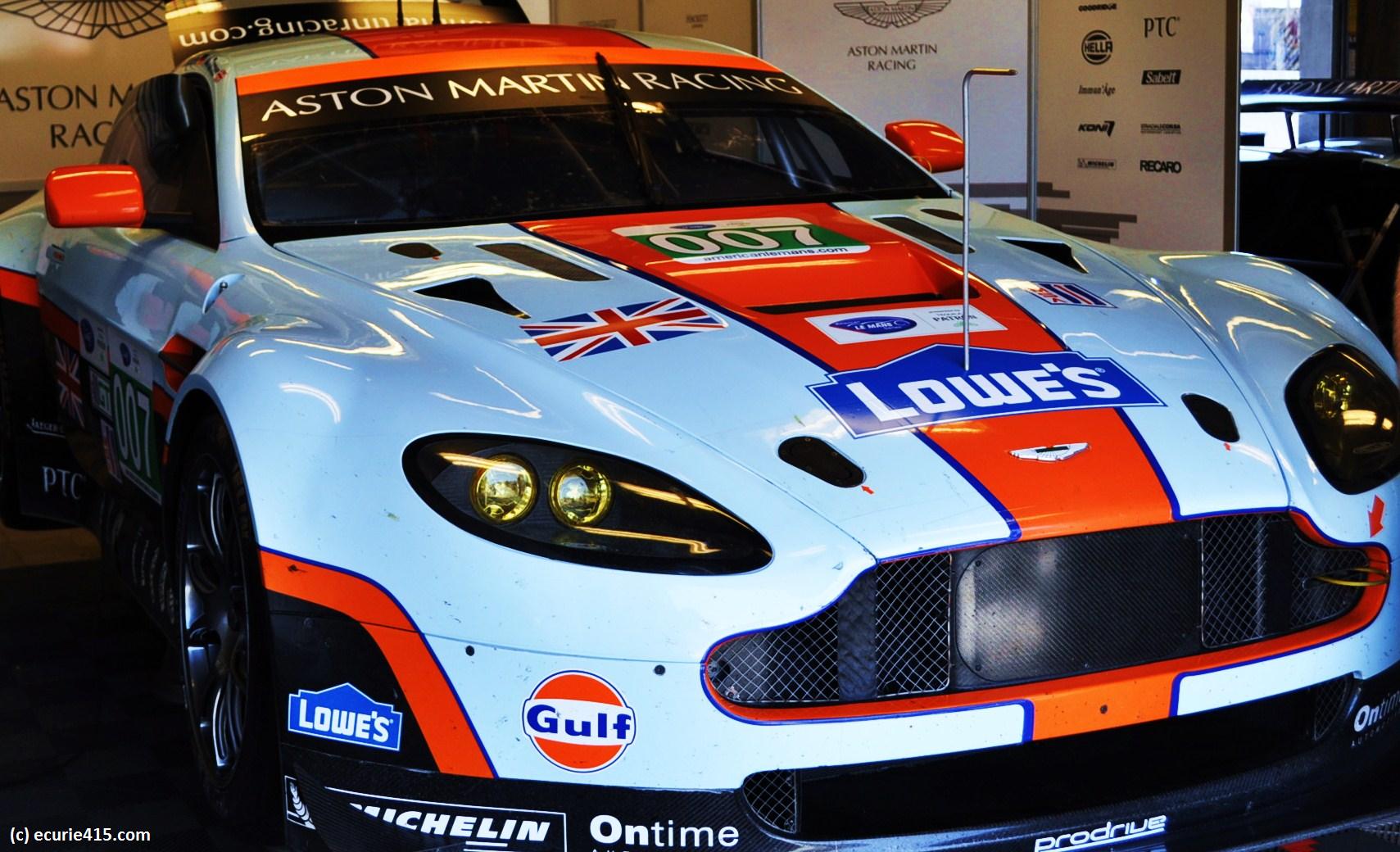
In 2012, Aston Martin raced in the ALMS just once, at Mazda Raceway.

AstonMartinGTE

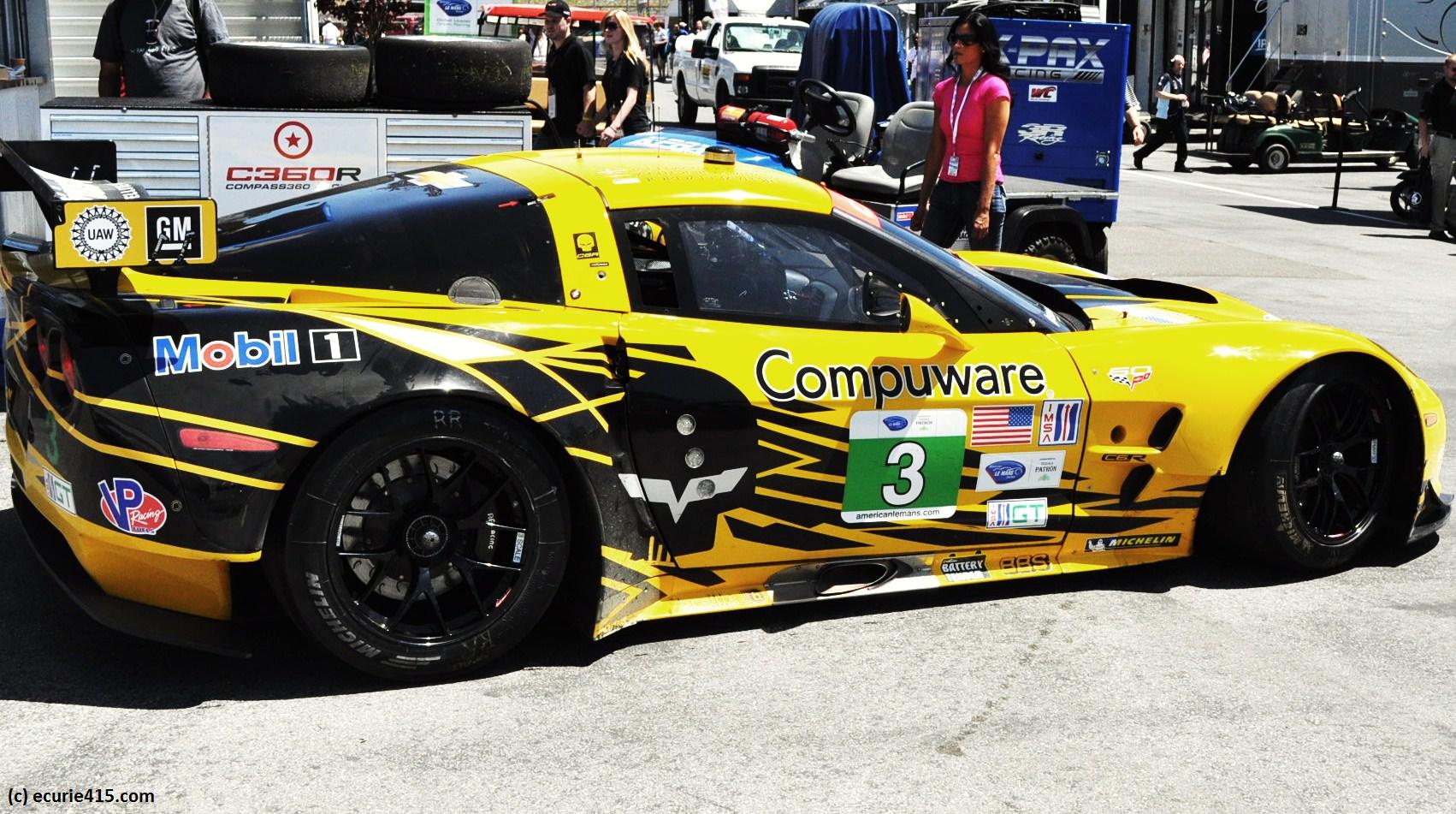
Corvette’s smooth-running organization allowed the bow tie to dominate Le Mans with the C6.R.

VetteC6.R

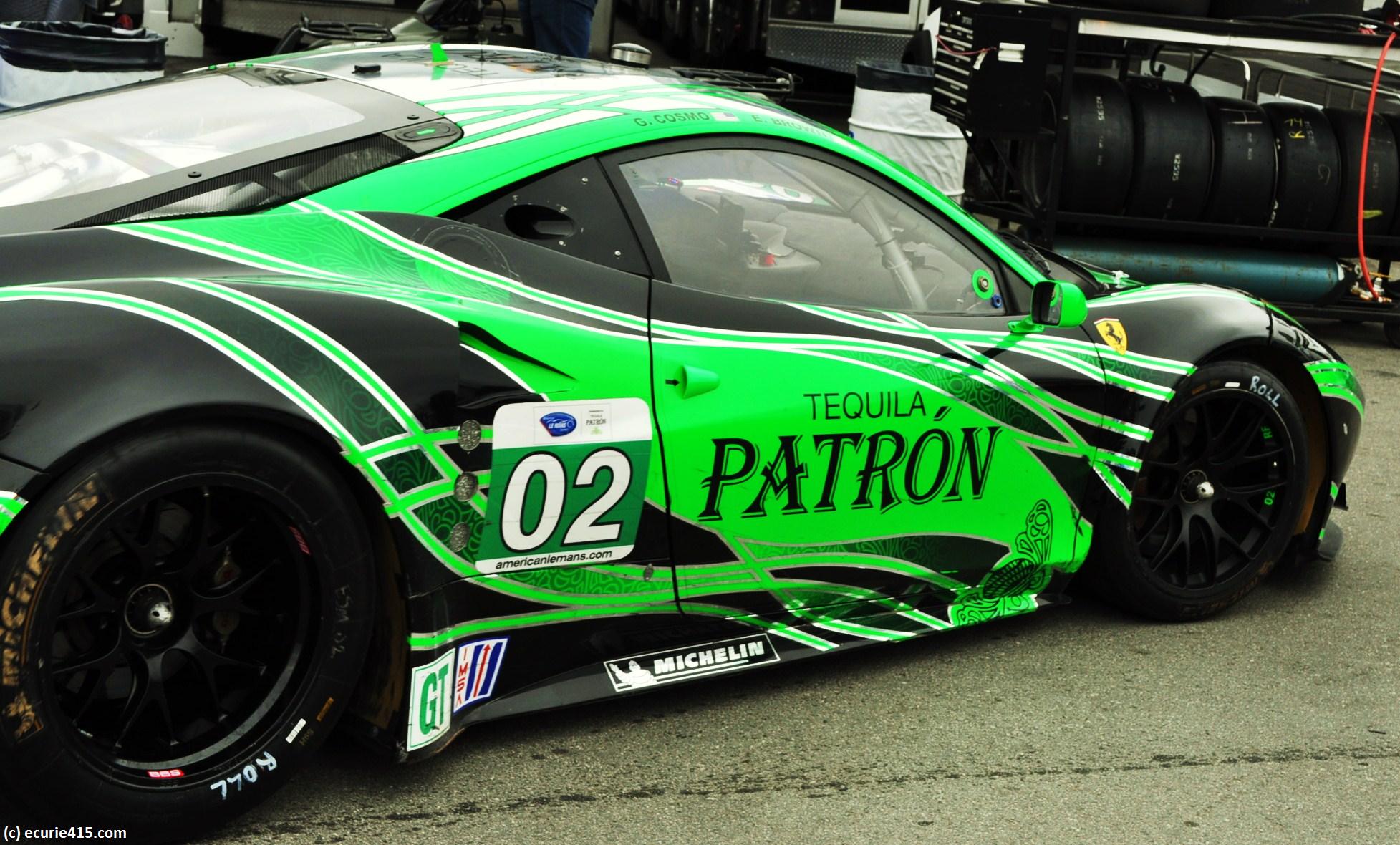
2011 Ferrari 458 used the Patron color scheme to great effect.

Ferrari458


Middle-aged but still the Boss – the Mustang at 50

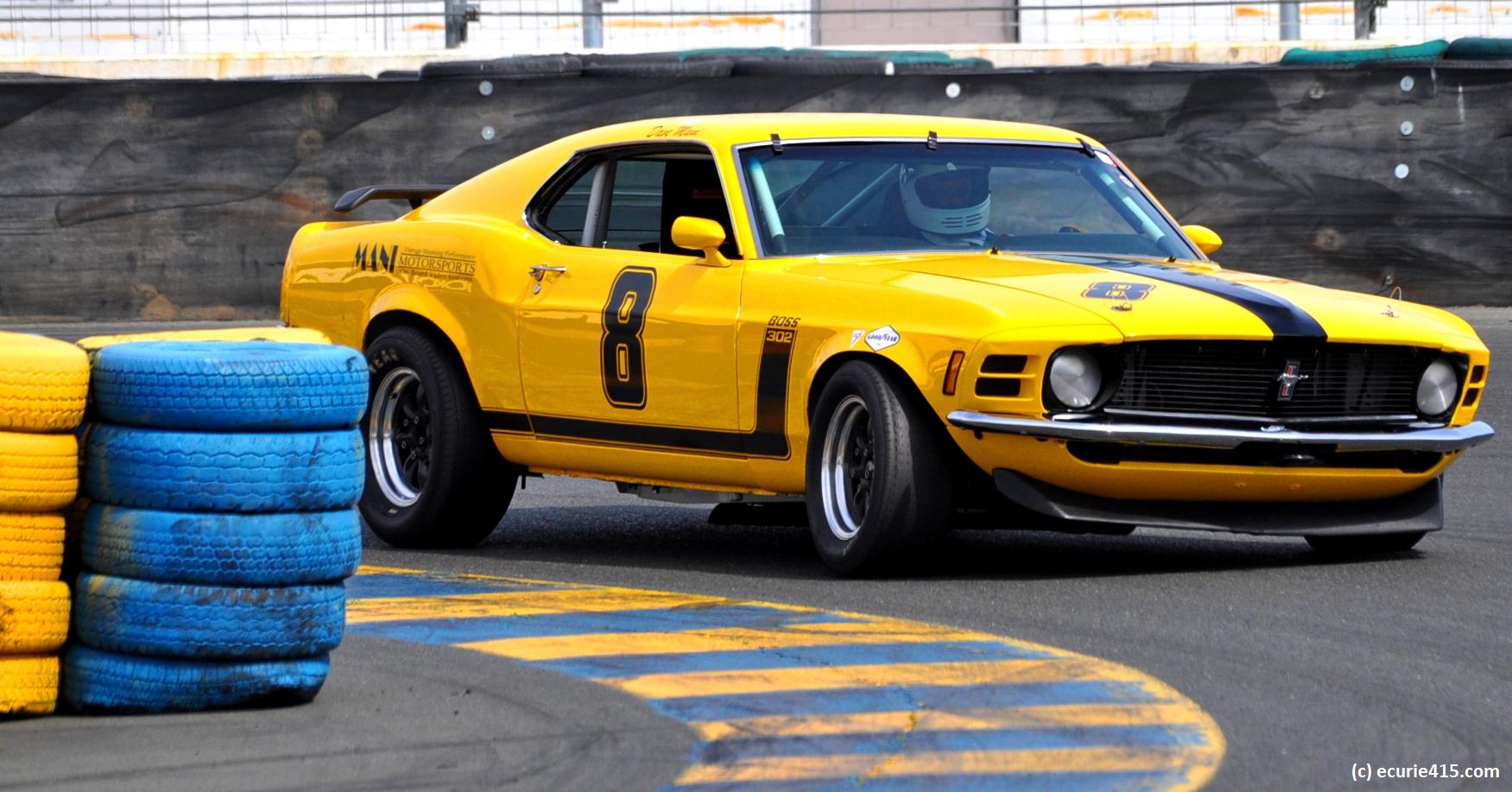
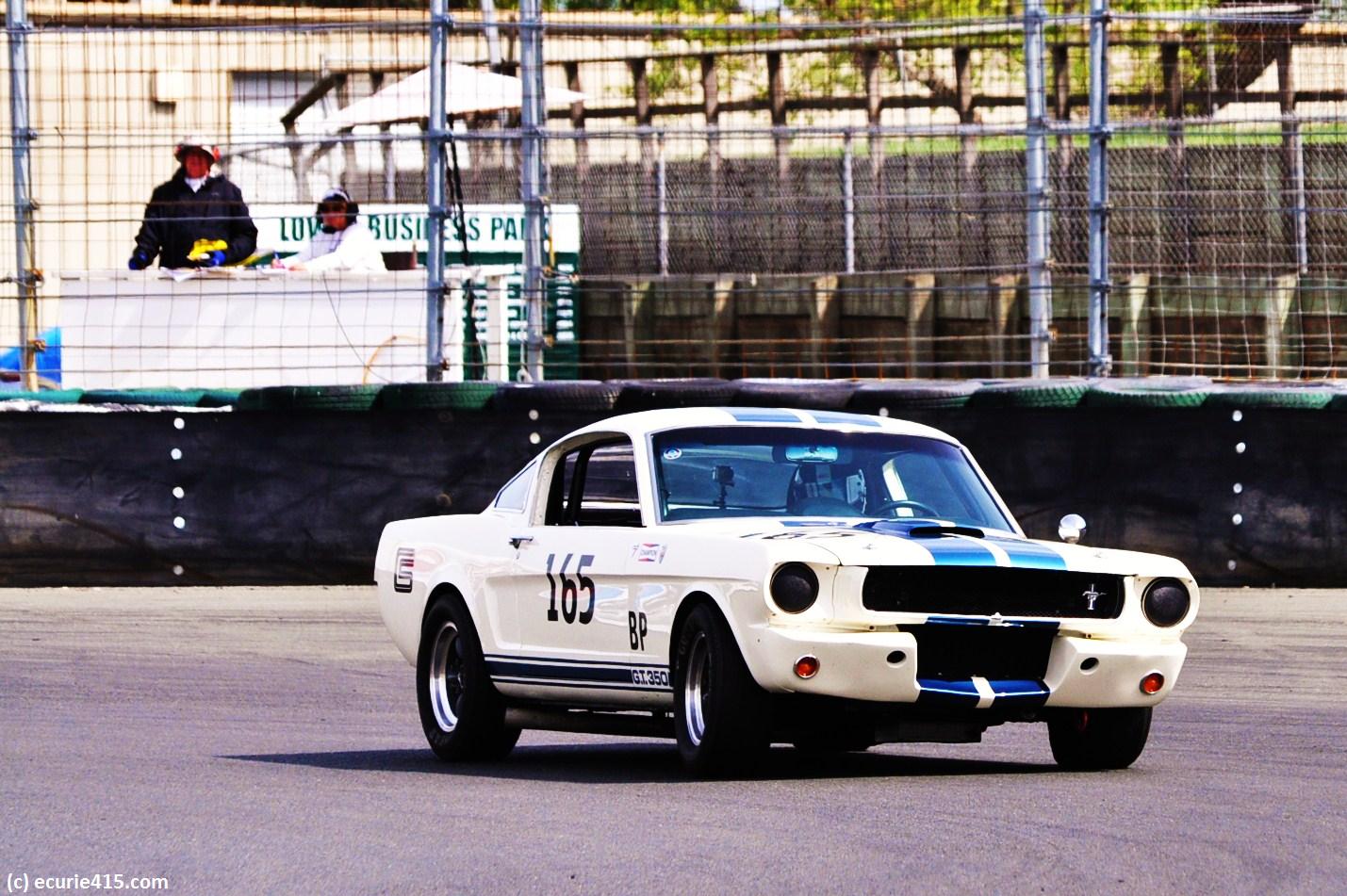
Boss302a The Ford Mustang celebrates its 50th birthday today, marking the anniversary of the car’s appearance at the 1964 New York World’s Fair. When the Blue Oval decided that it needed a pony car in its stable, the folks in Dearborn gave us the Mustang. Since its debut, the car has spawned numerous variants and won countless races (most prominently as an SCCA racer in the early 1970s). Two of its powerful offspring, the GT350 (below), and the Boss 302 (above) were optimized for performance and remain prized as collector’s items. Whether it’s the well-known hand of Caroll Shelby (350) or the lesser-known work of Bud Moore (Boss 302), the Mustang is an icon of American automotive design. Shelby350GT

Sonoma Reds, Part 3: 1954 Ferrari 750 Monza

DSC_0422

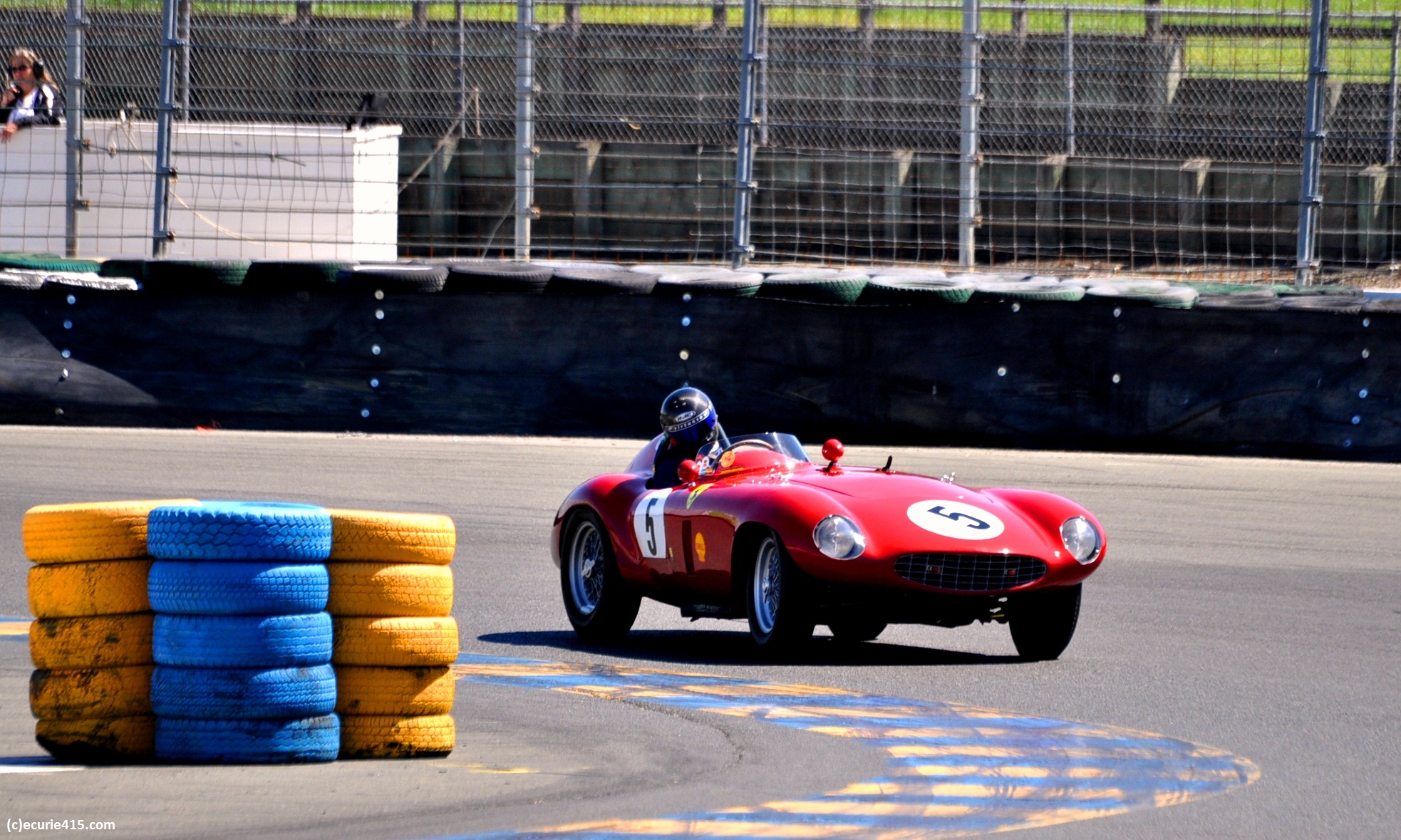
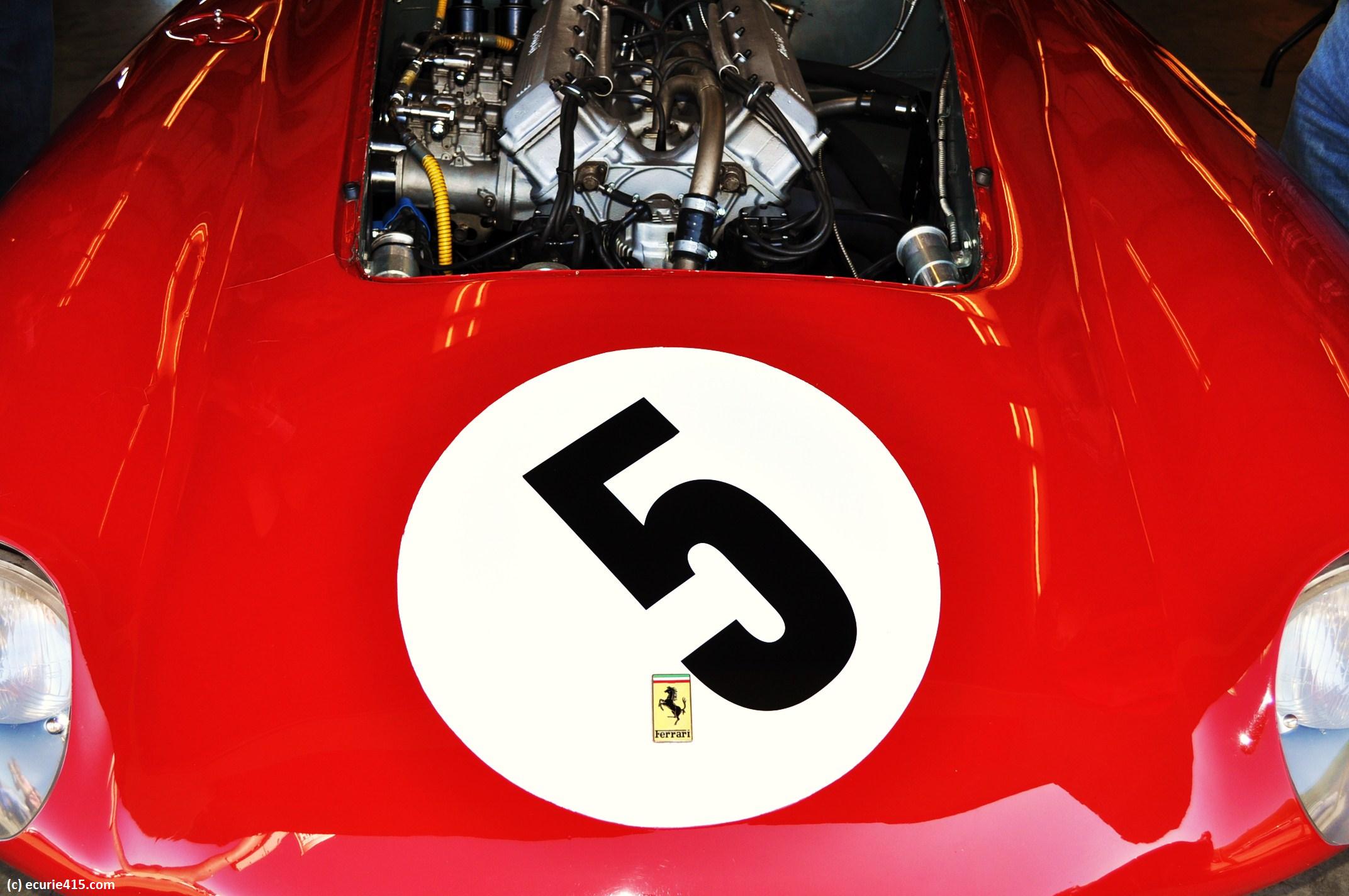
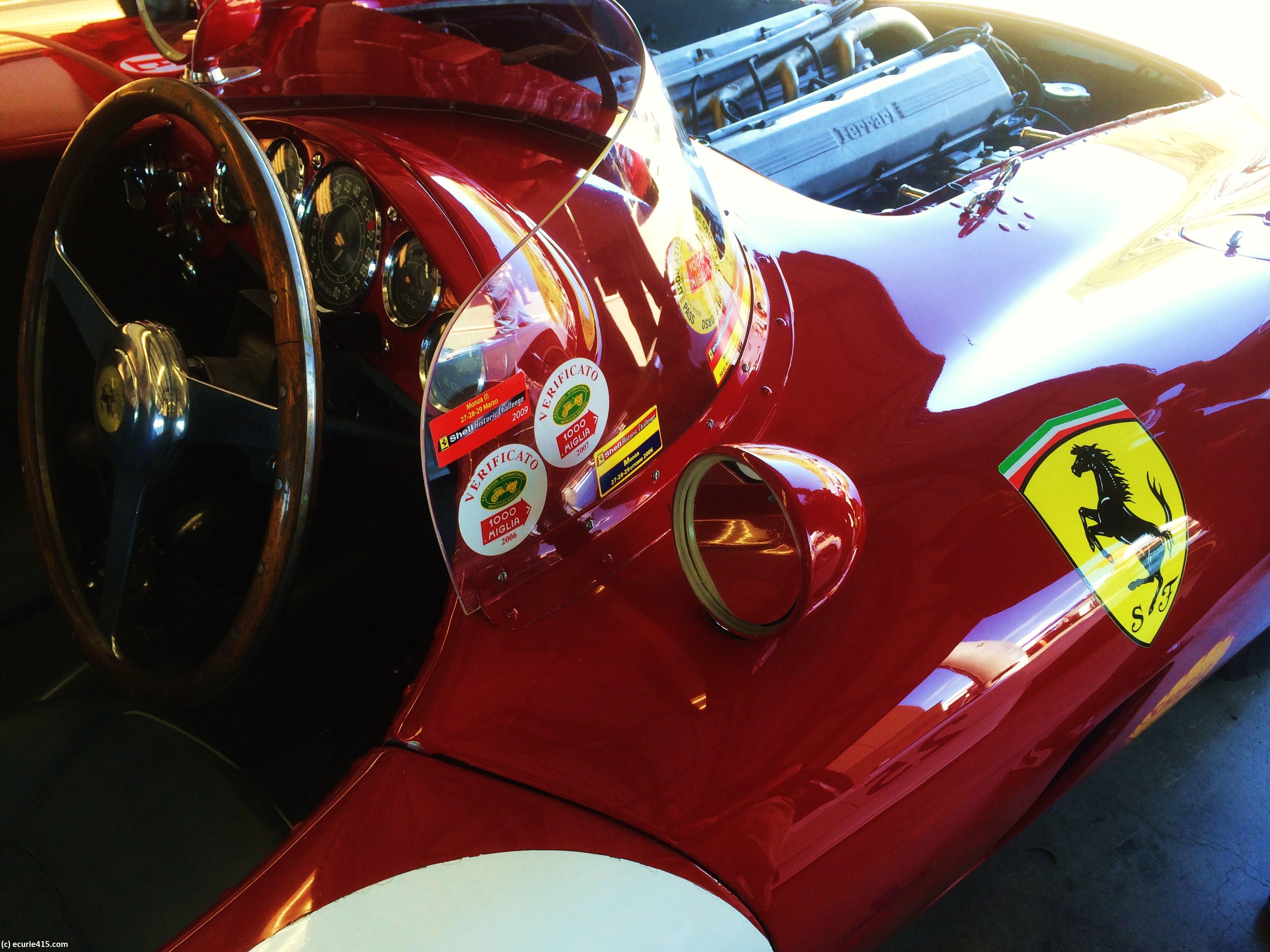
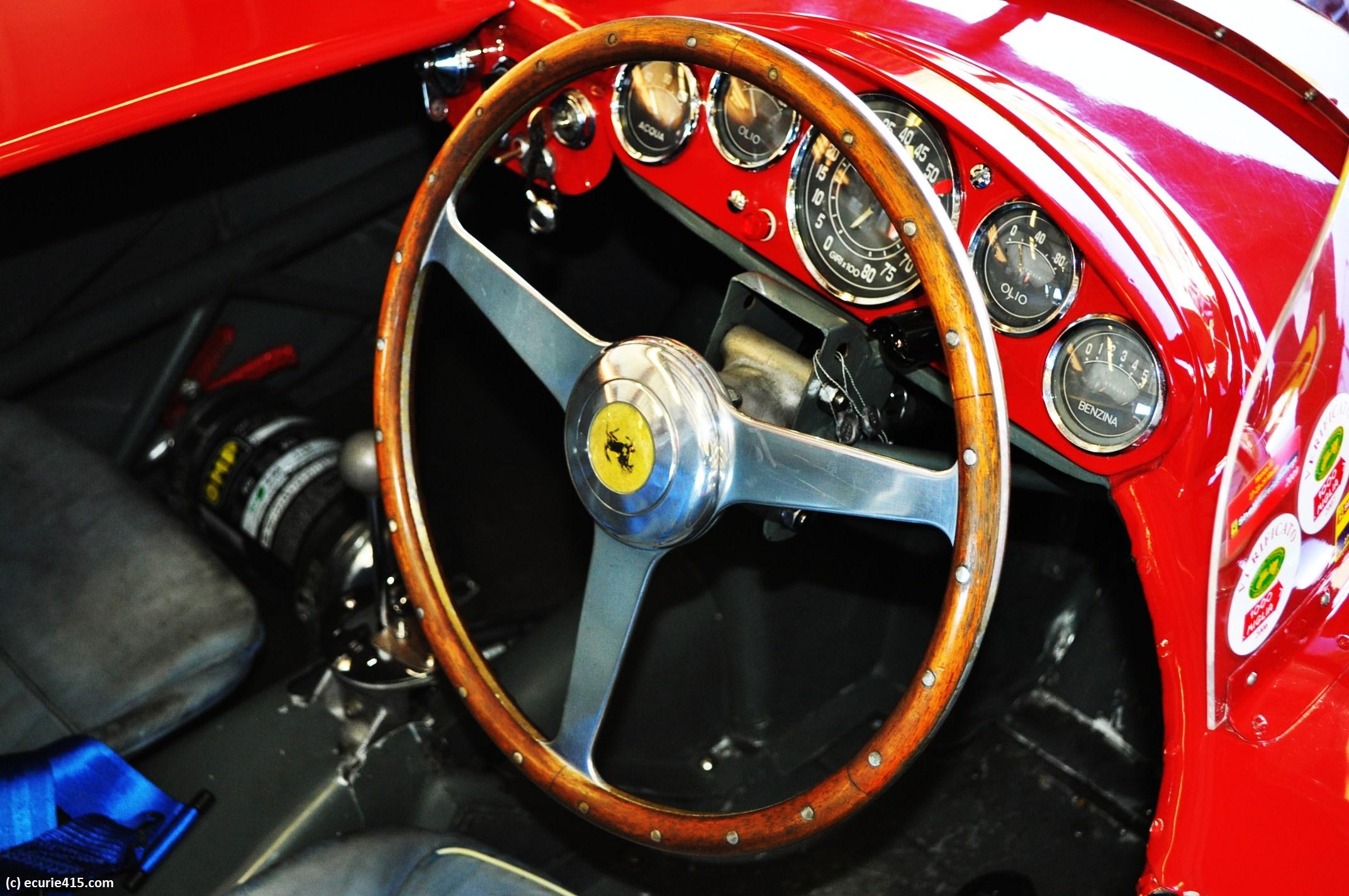
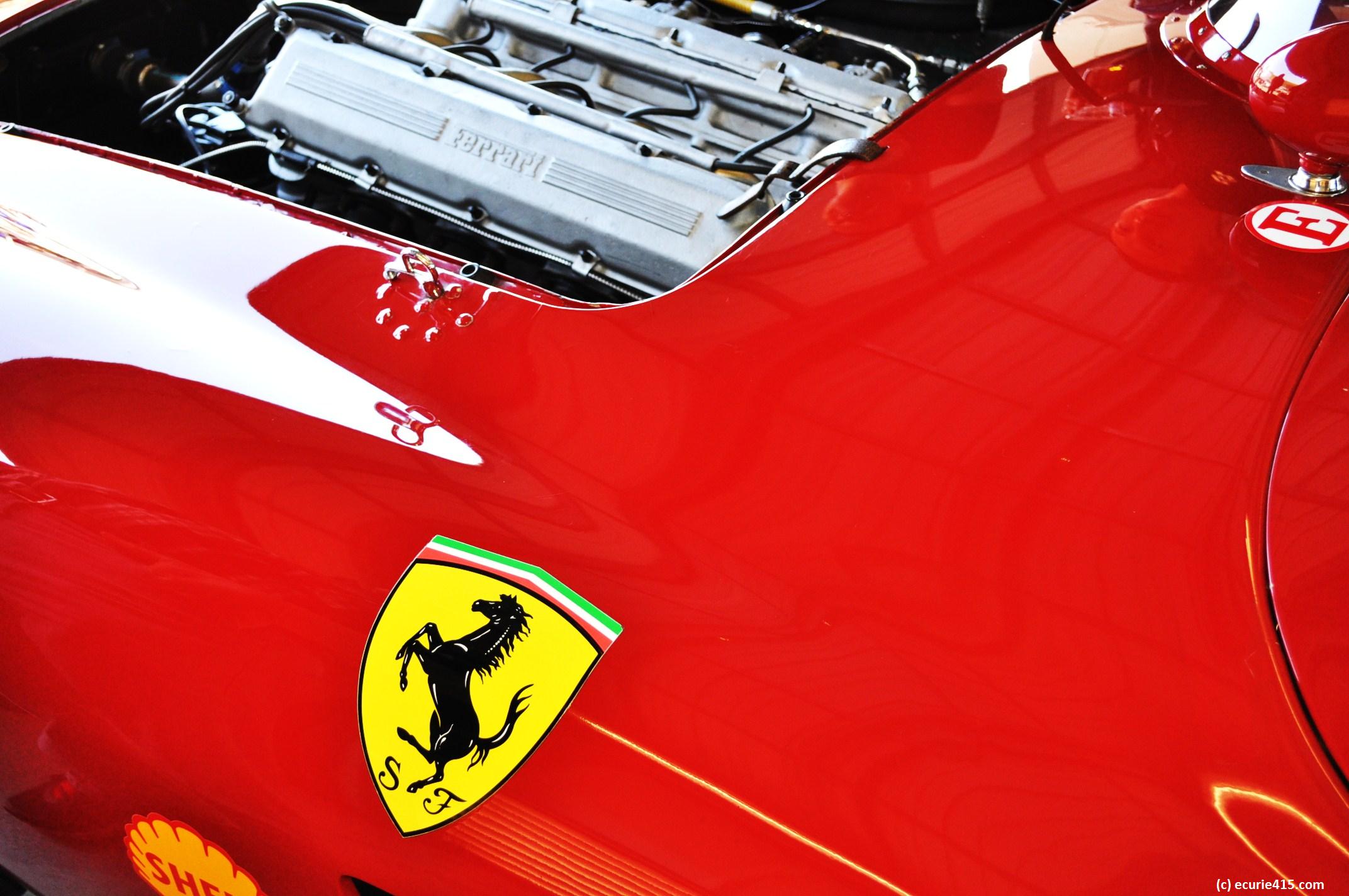
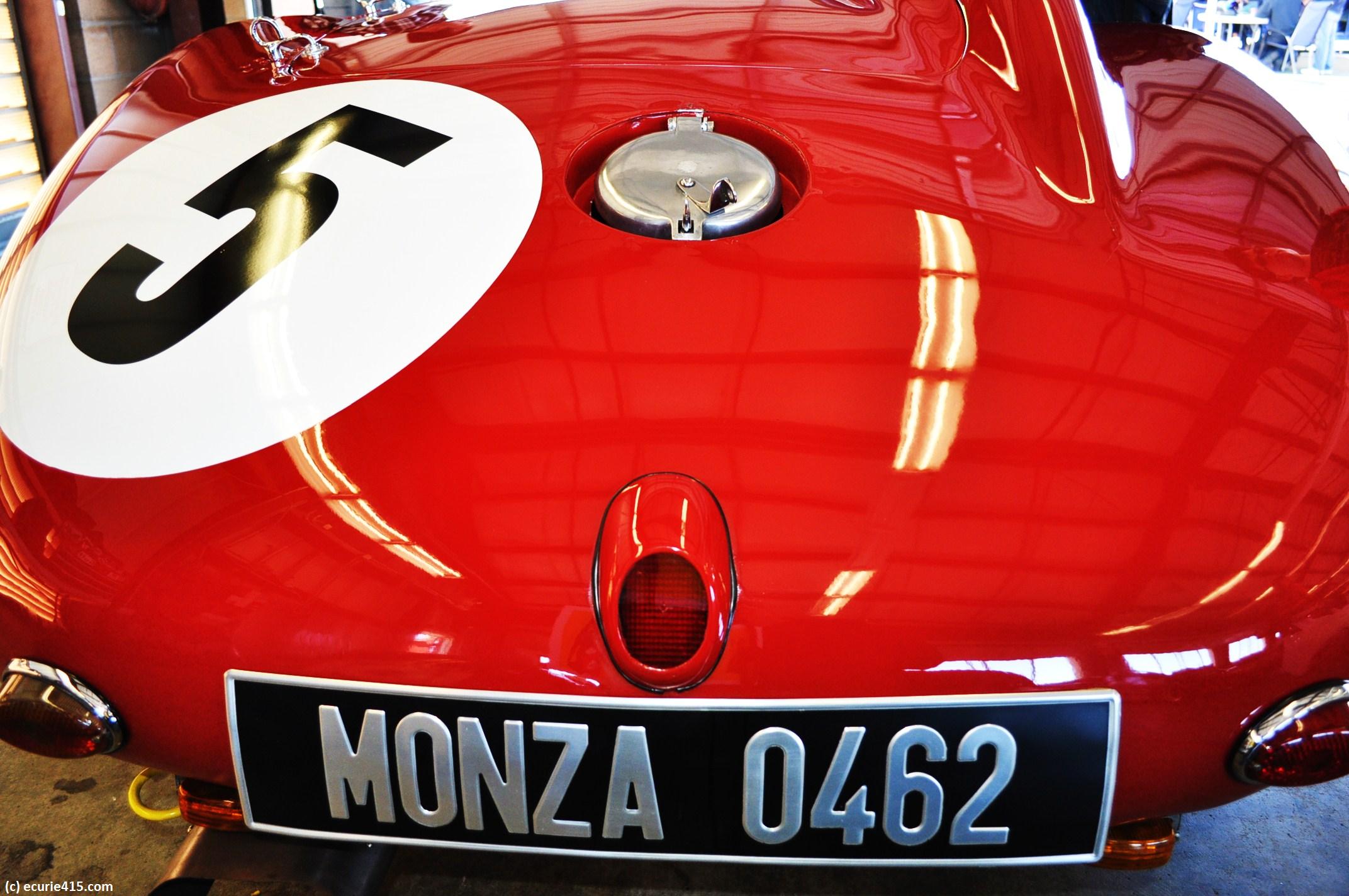
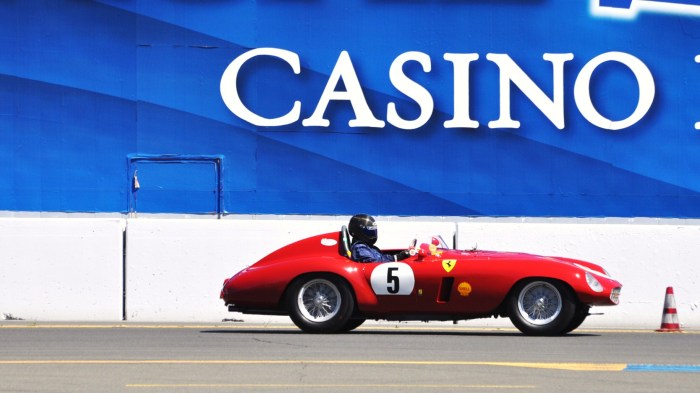
The Ferrari Monza was a departure from Ferrari’s 12-cylinder power plants of the early 1950s.  The 1954 750 Monza Scaglietti Spyder was a three-liter, four-cylinder racer that punched above its weight.  With a Pinin Farina-designed body and Lampredi engine, the car won its first outing at – ironically – Monza.  The late Dino Ferrari is credited with the concept, shortly before his death.  The 750 was so quick, Jaguar purchased this example to understand why the Ferrari was beating its British opposition.  Notably, the same car (0462) was raced in the Dunrod Tourist Trophy in 1954, although it failed to finish. After Jaguar re-assembled the car, Jack Brabham took ownership and raced it in Australia. It recently sold for $3.7 million; not bad for a four-banger.

Monza

MonzaiPhone

Monza2

Monza3

Monza4

DSC_0438

NARTifact

312P

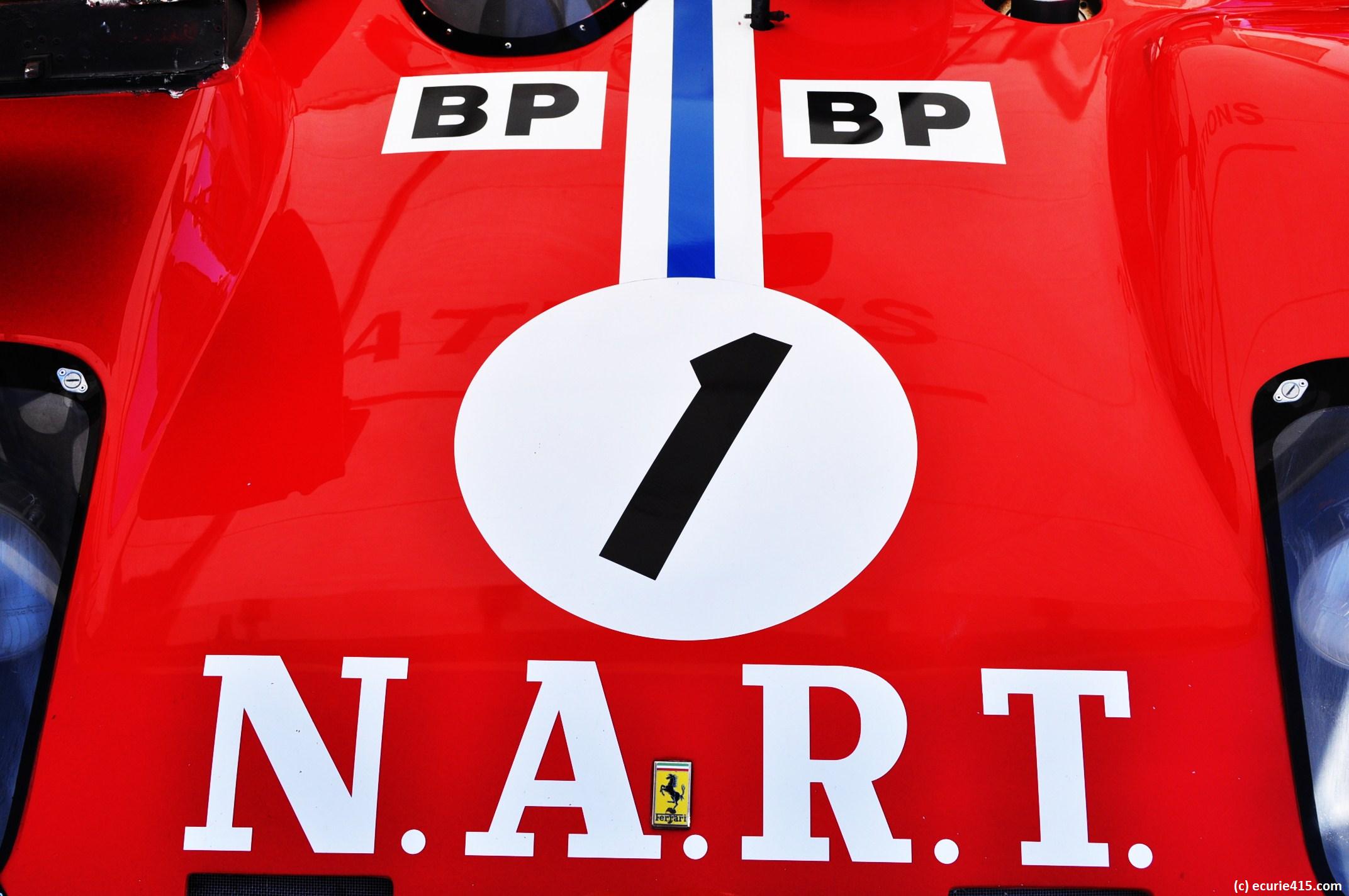
The word “NART” can only mean one thing: Ferrari.  Luigi Chinetti’s North American Racing Team served as Enzo Ferrari’s North American proxy, a race team for the rare occasion when the Scuderia couldn’t – or wouldn’t – show up to race stateside.  Chinetti was a shrewd Ferrari salesman, having opened the first Ferrari dealership in the United States.  Chinetti’s passion for racing dated back to his youth; the Italian was a multiple Le Mans winner and a successful driver and mechanic.

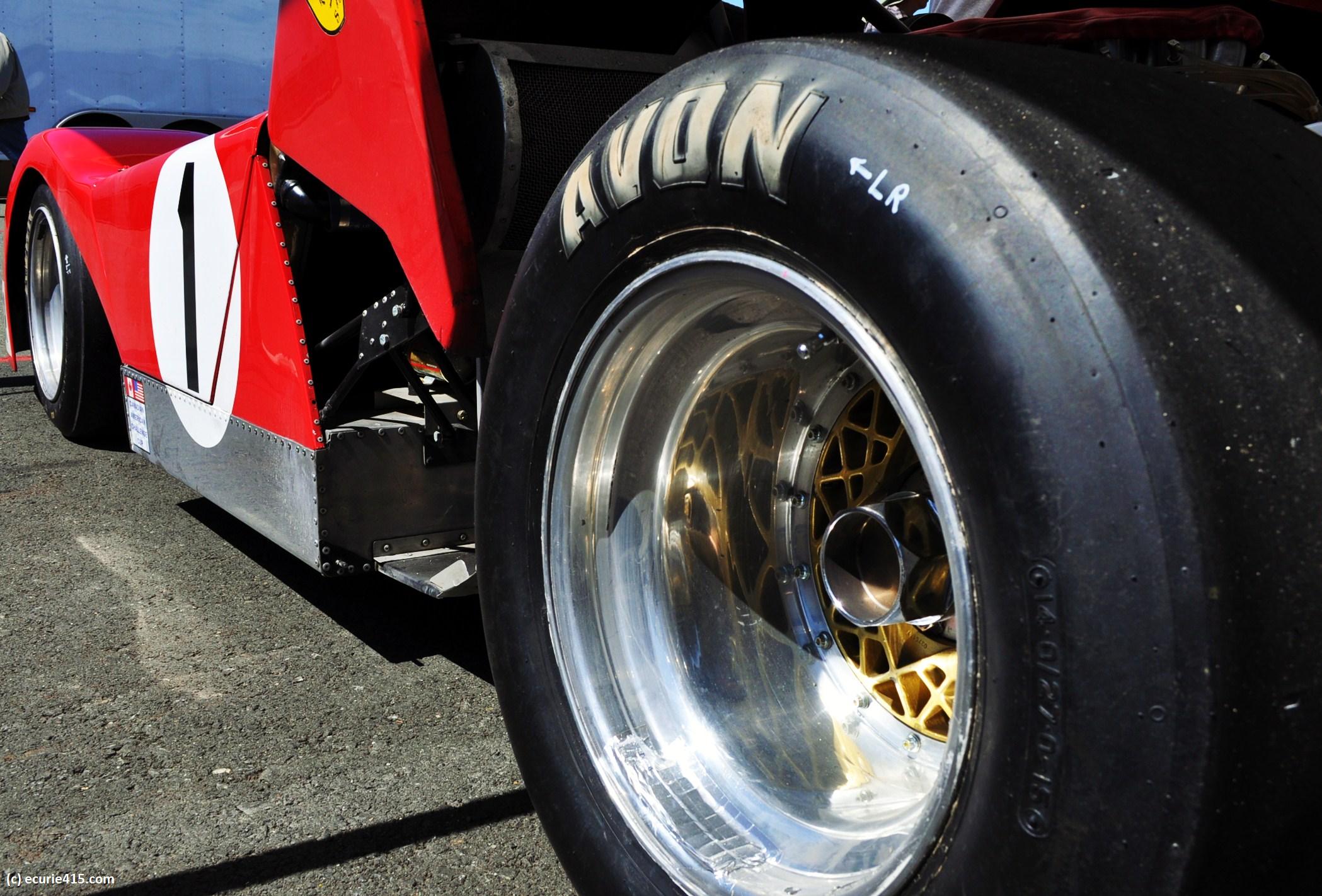
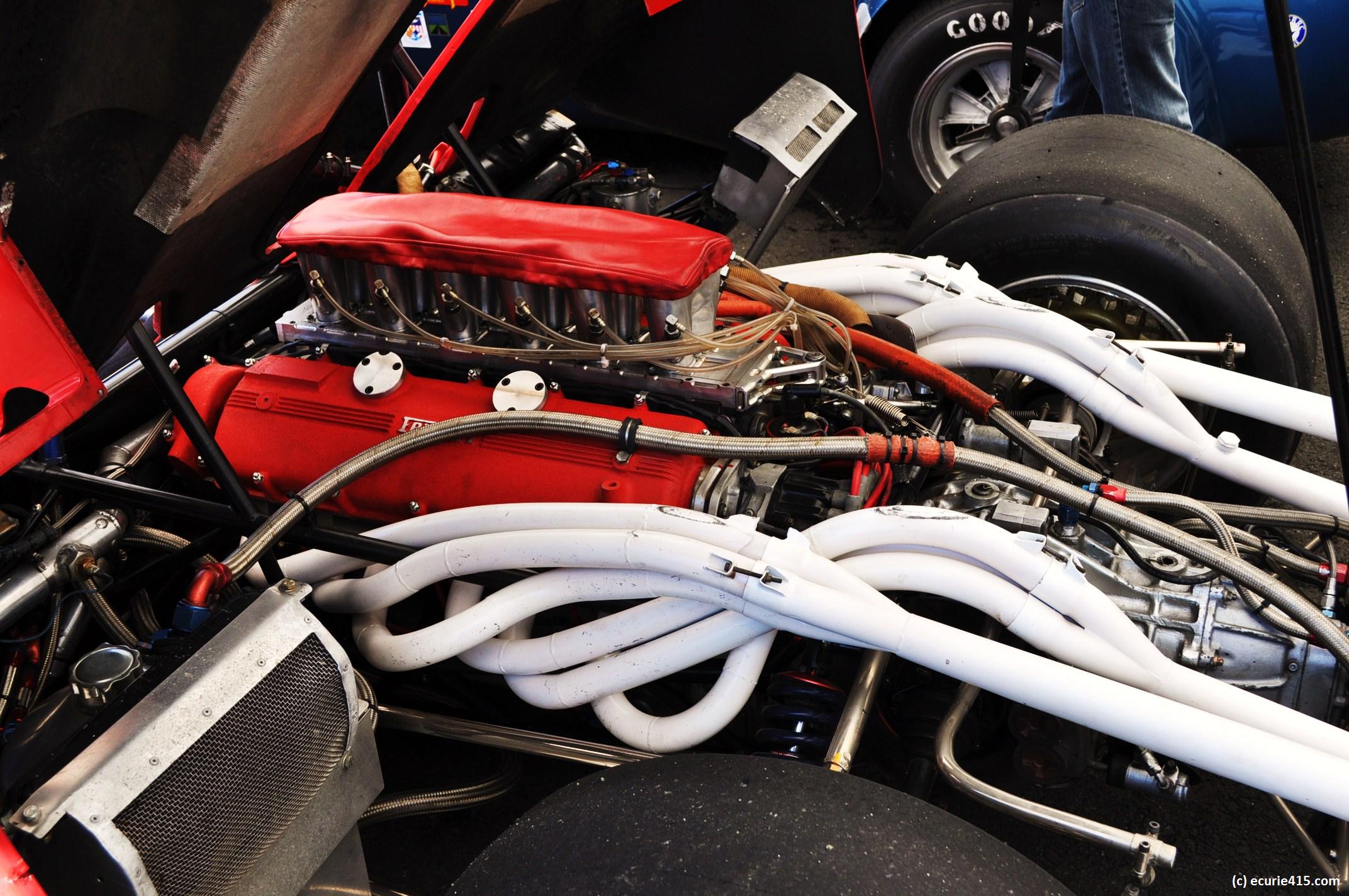
This 312P began life in 1969 as a factory racer destined for Le Mans, where it was driven by Chris Amon (it failed to finish).  The car was sold to Chinetti after racing in the 24 Hours and colliding with a Porsche 917.  After another crack at Le Mans in 1970, Chinetti brought the car to North America and turned it over to fabricator Wayne Sparling.  Sparling built a lightweight body for use on American racing circuits, removing the roof and both rear and front end.  The modified car was entered at Daytona and Sebring.  It was then disassembled and its history becomes murkier.  Now raced as a “Sparling-Ferrari”, it’s a truly unique sports car.

312Pb

312Pa