IndyCar at Sonoma: Lessons in commitment

ConwayT3

A wise college coach football coach once said to me: “In a ham and egg breakfast, the chicken is involved, but the pig is committed.”

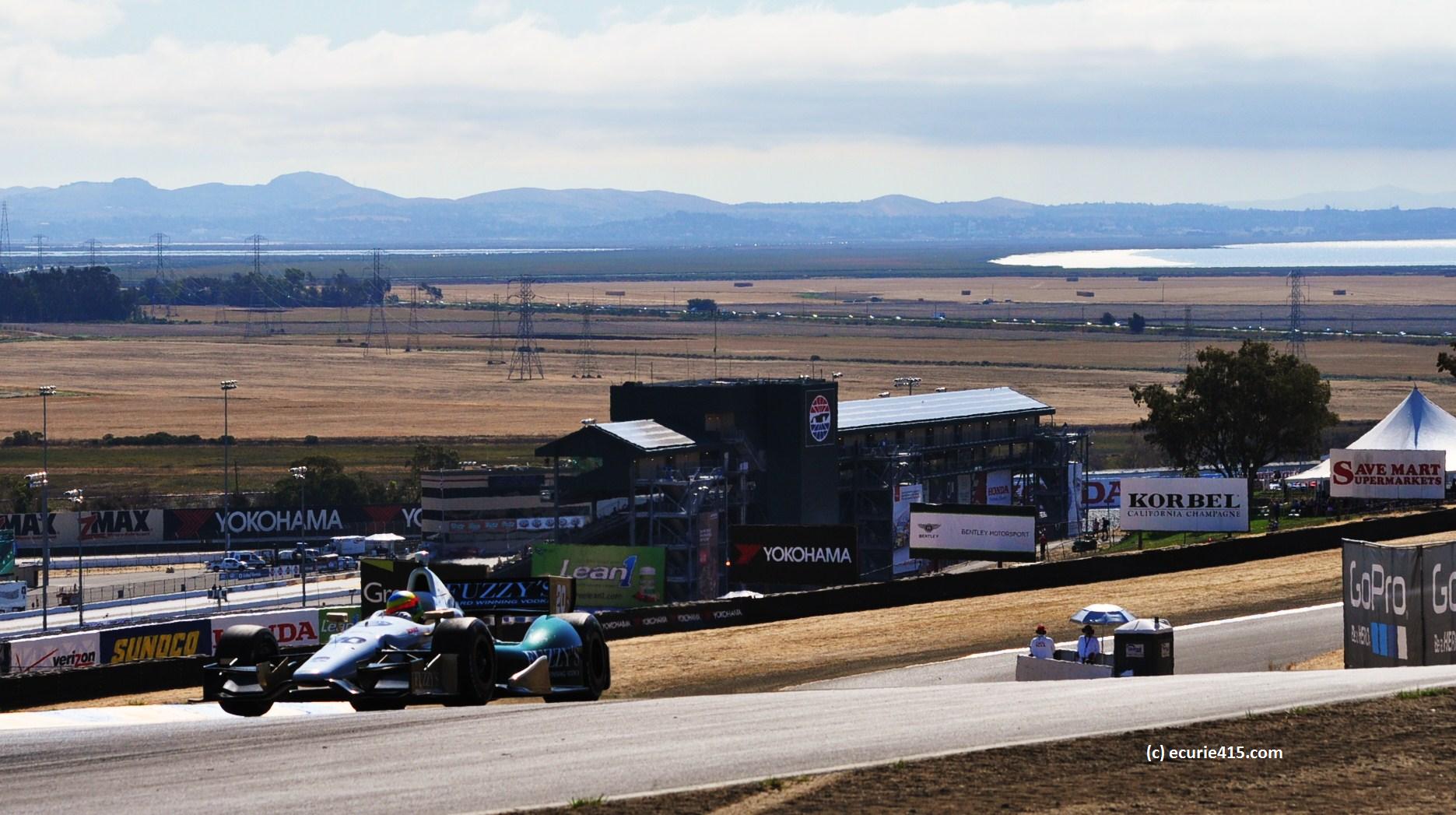
I thought a lot about commitment as I stood on the exit of Sonoma’s turn 3-3a complex for Sunday’s morning warm up.  As the cool of the morning began to ebb, and the shrill howl of twin turbos sliced through the air, I watched 22 drivers approach the same corner, looking for truth in tenths of seconds.

What I saw proved the old coach’s point. Turn 3-3a is a devilish left-right flick: entered from a downhill slope out of Turn 2, the turn dives left, then climbs up and slightly to the right on exit. On the other side is a long downhill straight, putting a premium on exit speed out of 3a. Imagine the Corkscrew at Laguna Seca, taken in reverse. The entry is fast, the car leaning left as the driver muscles it to the right, all while standing on the throttle. It’s a lesson in commitment and which drivers have, as they say, “rather large attachments”.

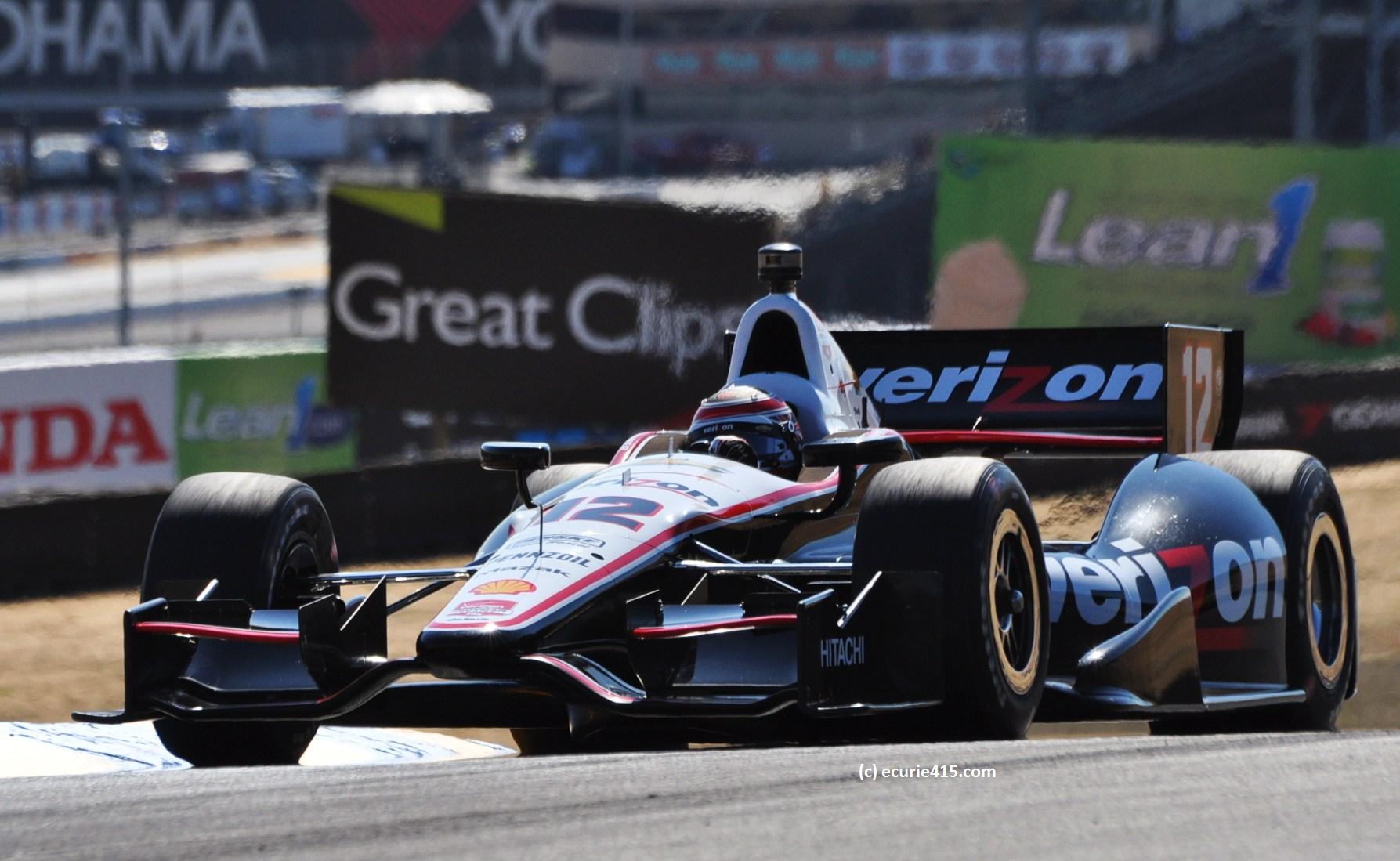
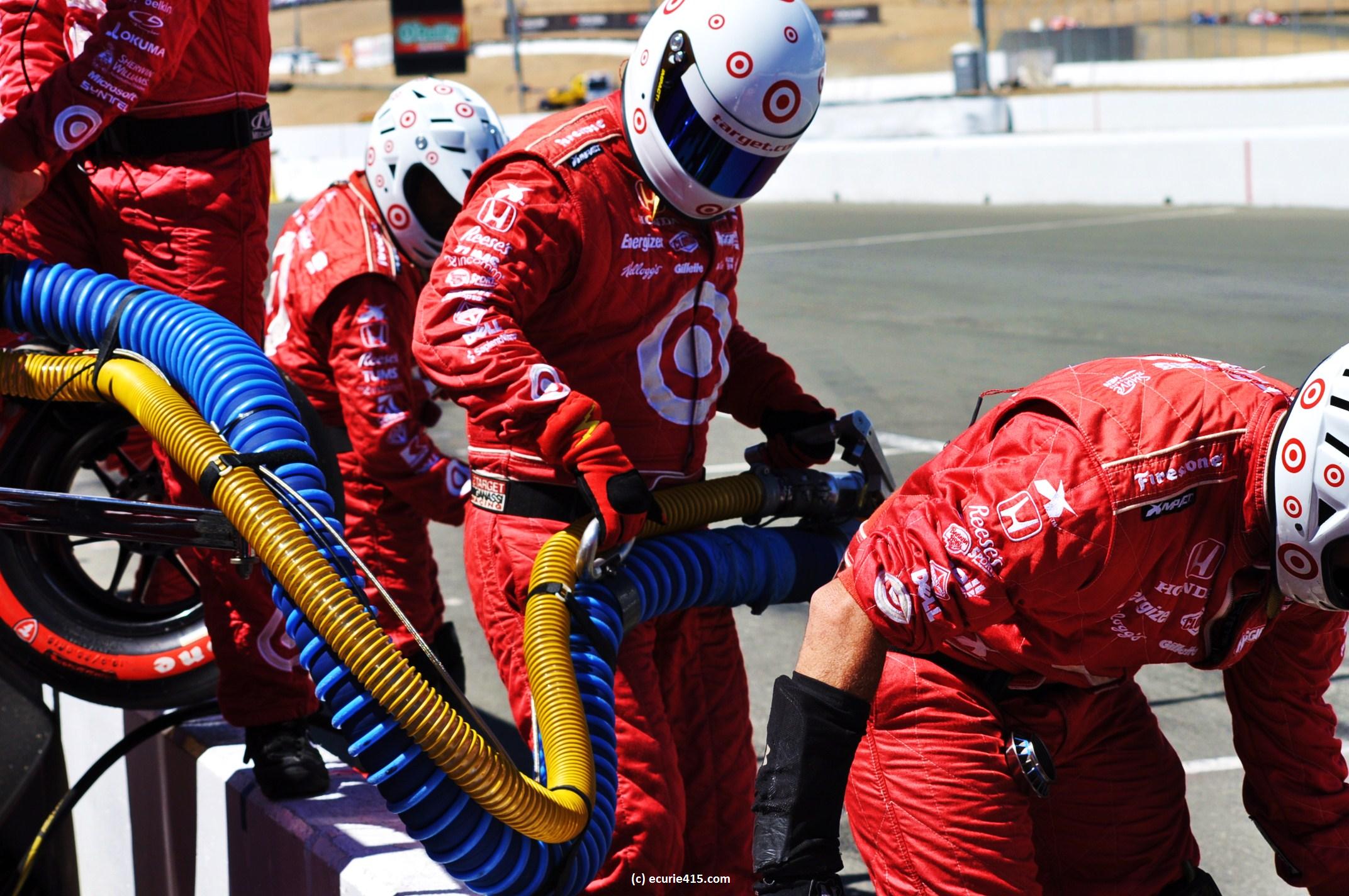
Team Penske’s Will Power and Juan Pablo Montoya come through early, Montoya carrying tremendous exit speed and the raw aggression that has won him races at Monaco, Indianapolis, and Daytona. Power shows more nuance but no less speed through the same complex.  Castroneves isn’t far off from his stablemates.  Then the Ganassi cars appear, Dixon and Kanaan just a blur in their red and white Target cars, fully dialed in.  Although Power is the polesitter, Dixon and Kanaan look quick in morning warm up.

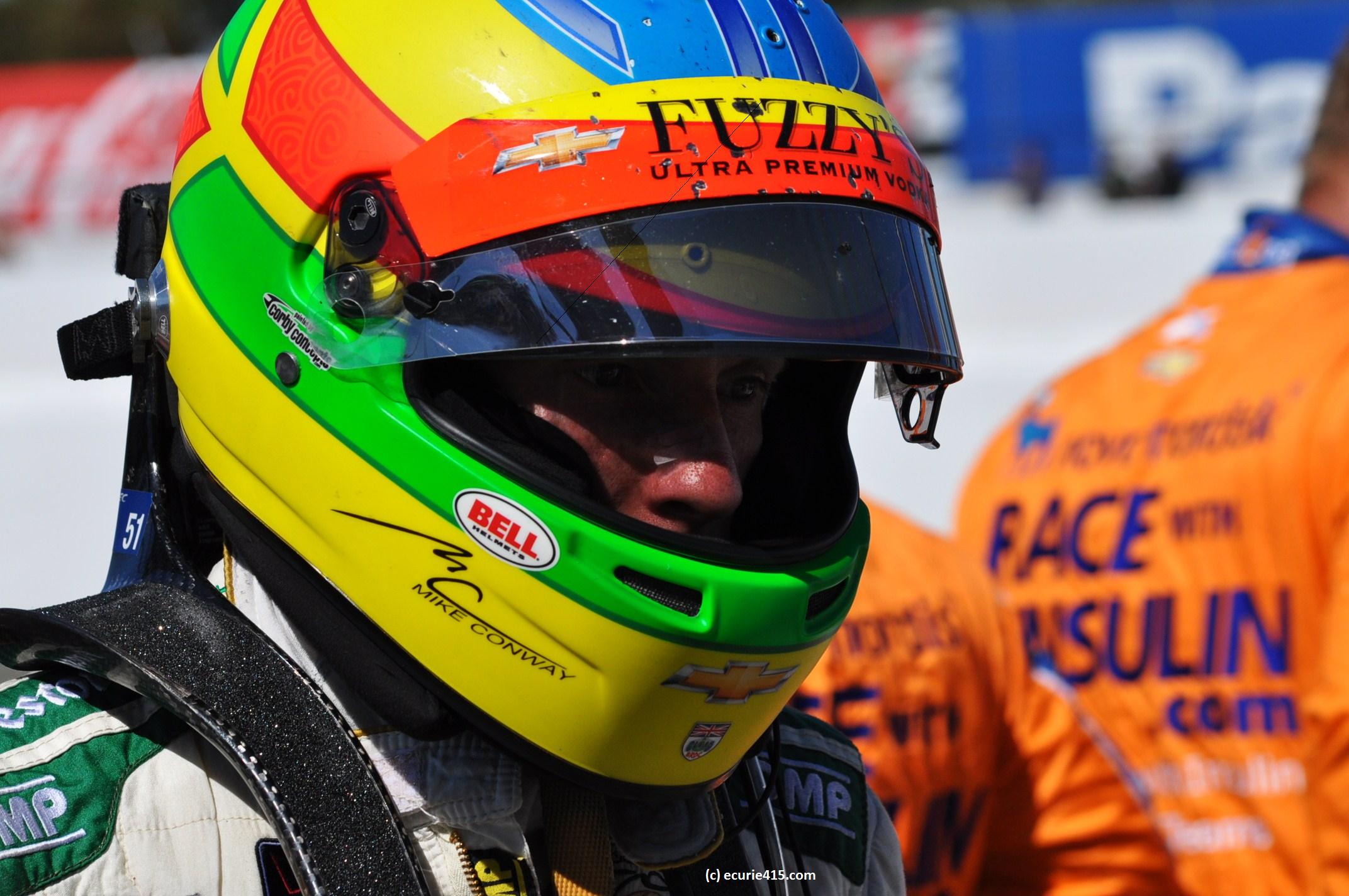
Later, much later, as Dixon stalked Mike Conway for the lead in the waning laps of the race, a Chevrolet engineer attached to Conway’s team explained Dixon’s pace: “Dixon rolls the car through the corner like nobody else. Carries more speed into, and out of, the corners.” It also helps conserve fuel, which ended up costing Kanaan a shot at winning the race.

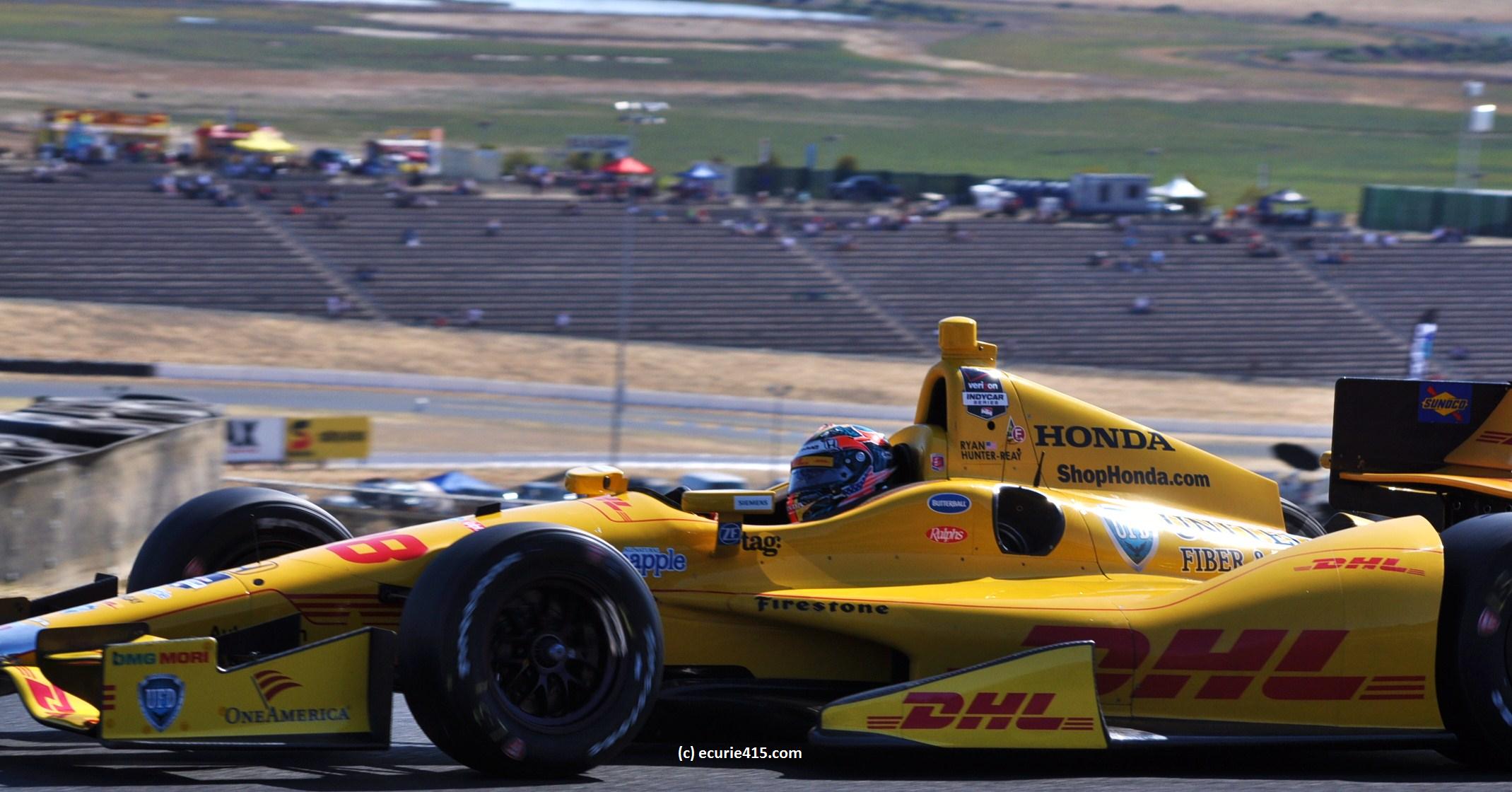
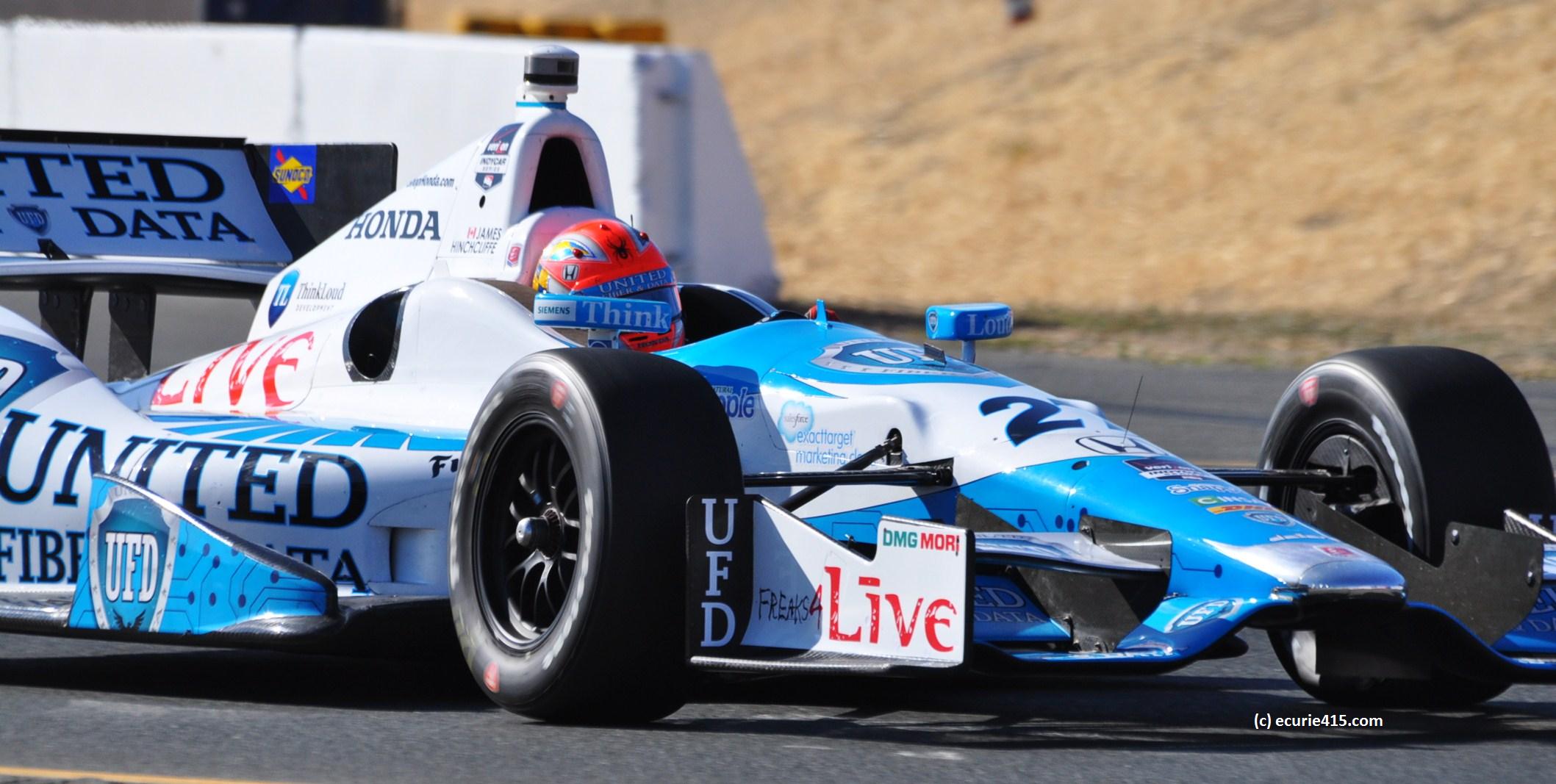
Then it’s time for the Andretti drivers to take on 3-3a.  Hinchcliffe is slow getting out of the garage, but Ryan Hunter-Reay is in full attack mode.  The engine coughs, sputters and blurps as Hunter-Reay bumps against the rev limiter, pushed beyond its limits by the aero load and the demands of the driver’s right foot.  Gravity wants to send the car into the sky; locked in an eternal struggle with its opposite number, downforce, which wants to plant the car and compress the driver into his seat. The Firestone tires scream in anger, testing the limits of adhesion.

And that’s how you know who is committed. Guys on the rev limiter are pushing hard, making the corner work for them, using all of their skills and relying on bravery for the rest. A group of cars come through that are off the rev limiter, who are fighting the car and the corner, whose revs drop as they struggle with the sudden change of direction. The newer drivers struggle the most, Munoz, Huertas and Saavedra look lost at sea. They choose a different apex than Power and Dixon, setting up more for the entry than the exit, where speed matters more.

There are critical tenths to be picked up at corners like this; tenths that mean the difference between P1 and P20. Never leave something on the table. Wily veterans know this. Young drivers have to learn.

A group of drivers who occassionally get 3-3a right come through. Graham Rahal and Sebastien Bourdais are quick on occasion, like Sato and Conway, but none can pull of the kind of metronomic consistency that guys like Power and Dixon display lap after lap.

And in that sense, Turn 3-3a presents a microcosm of the IndyCar pecking order, a hierarchy revealed in a single turn. The quick and the ballsy tend to be with the elite teams; the rest struggle for consistency from week to week. You can see why Power does so well at Sonoma: he’s quick, but he’s off the rev limiter, which means he knows the precise mixture of steering input and throttle for quick in-quick out. It’s the smoothness that won him pole, a course record, three wins and a second at this circuit. Dixon used the same skills to pull out a win after Power faltered in the race.

It’s all a matter of commitment.
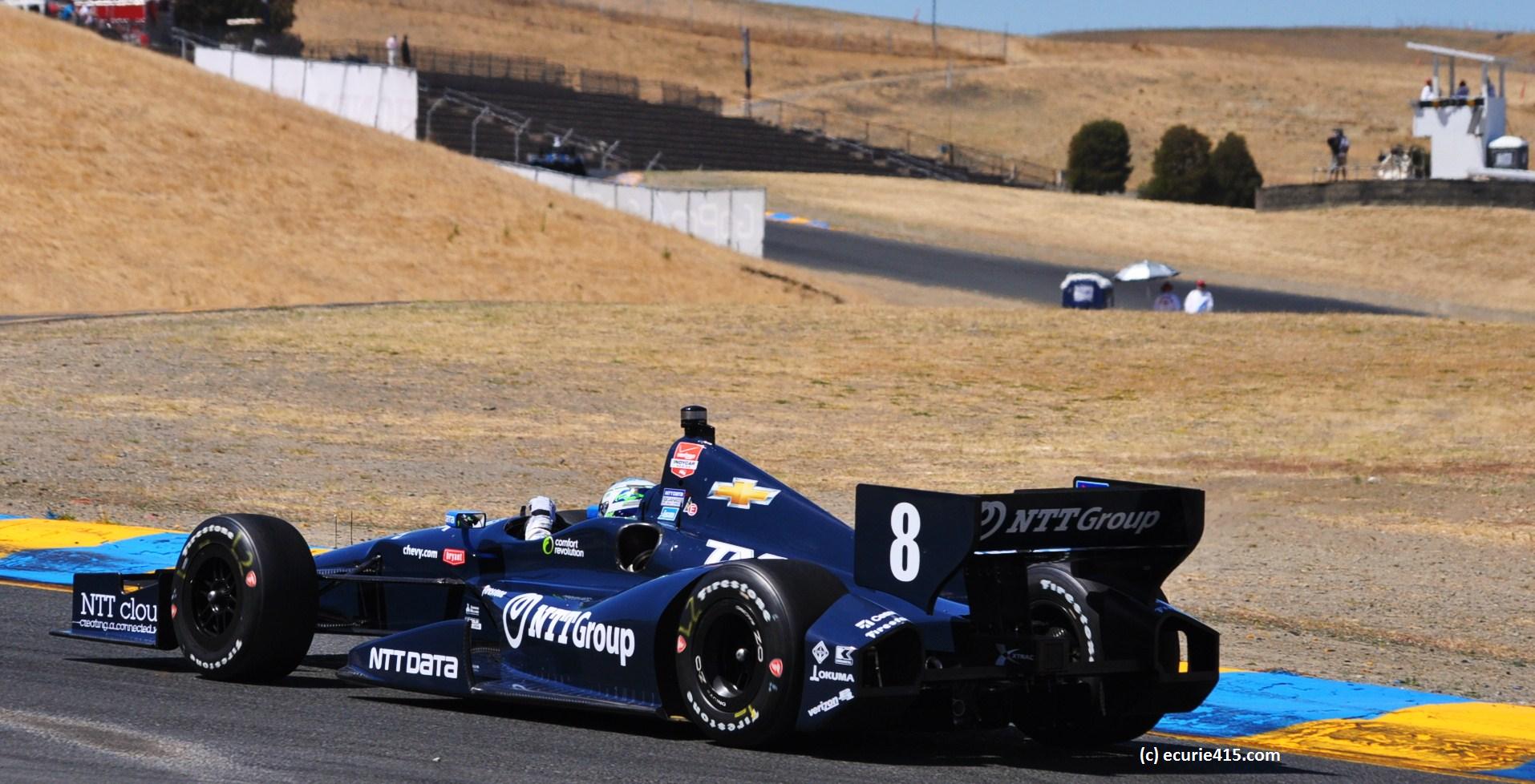

BriscoeTurn2

Illustration: Ryan Briscoe approaching Turn 2 at Sonoma, with the Turn 3 just beyond. Below, Hunter-Reay exits 3a.
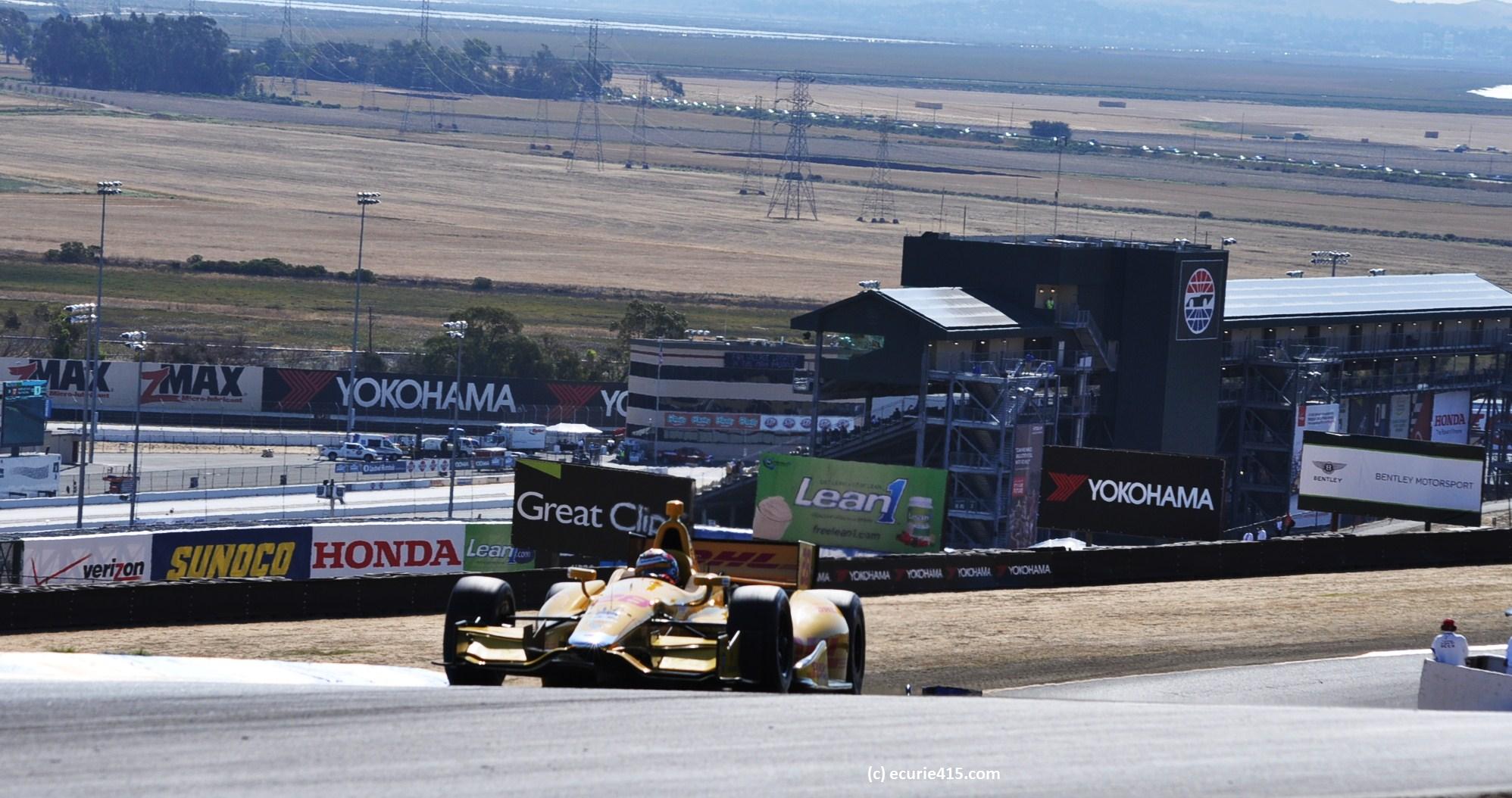
RHRT3

TKTurn3a

Look at Kanaan’s head in the photos above and below to get a sense of the lateral forces opposing him as he exits the corner.
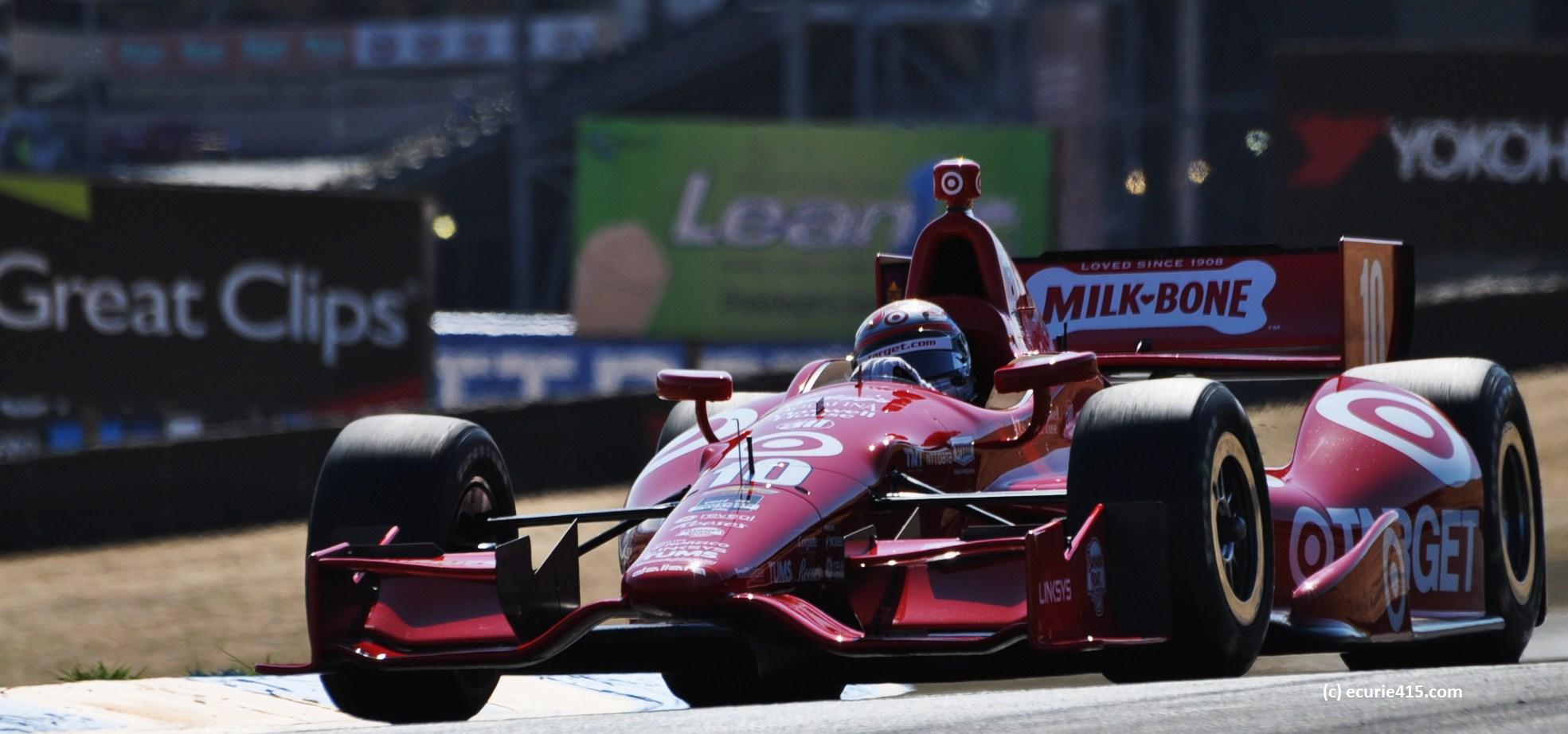
TKTurn3

BriscoeTurn3a

The turn exits to a downhill straight. Exit speed is key.

****
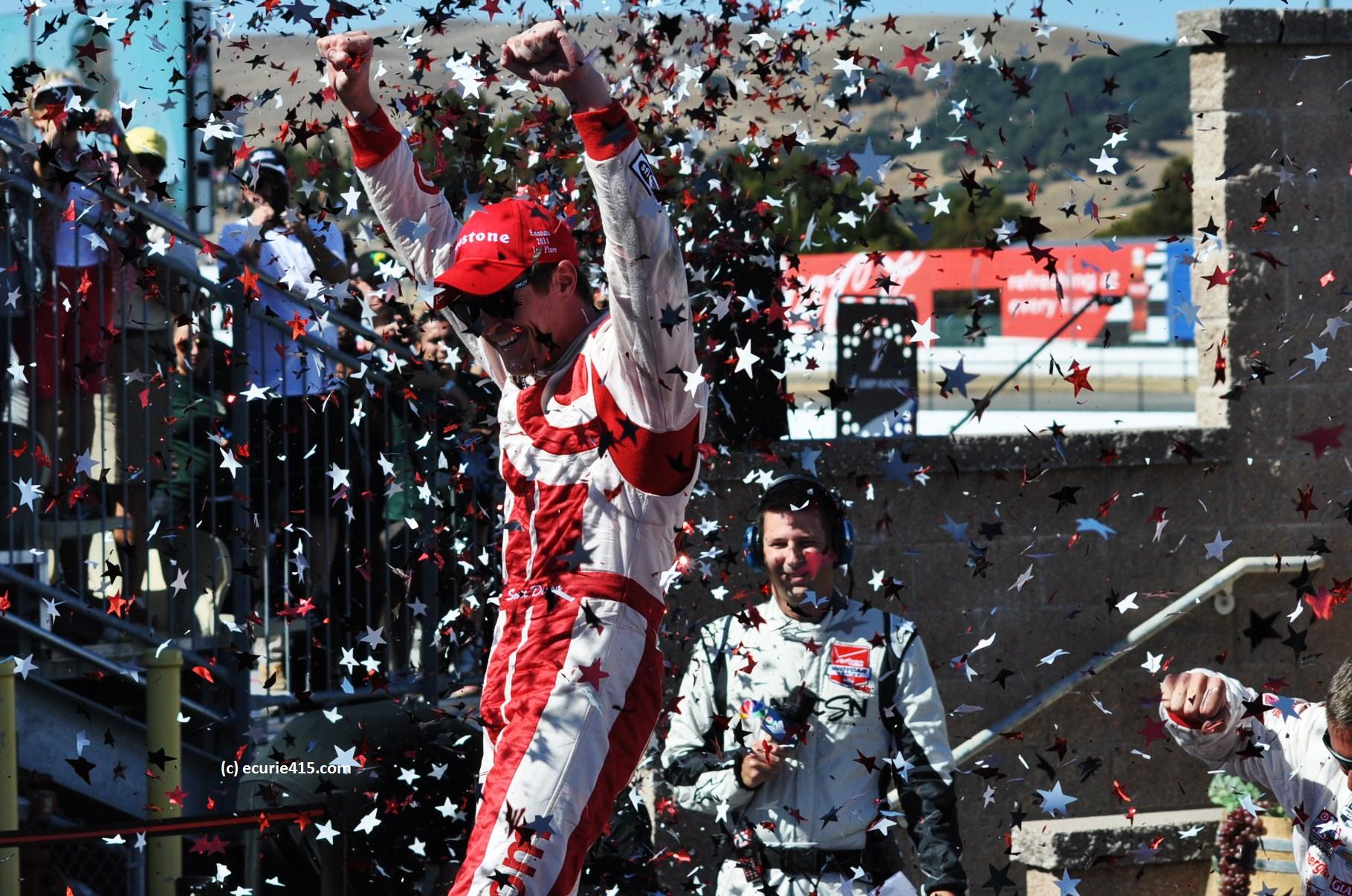
IndyCar at Sonoma: Movers and shakers

DixonSON

The night before Sunday’s GoPro Grand Prix at Sonoma, a 6.0 earthquake hit nearby Napa, sending shock waves throughout the area.

Target Chip Ganassi Racing driver Scott Dixon slept through the temblor, but Team Penske and its polesitting driver, Will Power, were awakened in the middle of the night and briefly forced out of their hotel rooms.

That was the first quake. The second came about 12 hours later, when Dixon won the race and Power finished 10th. Power retained his commanding lead in the championship standings, which is now a three-way battle with Helio Castroneves and Simon Pagenaud.

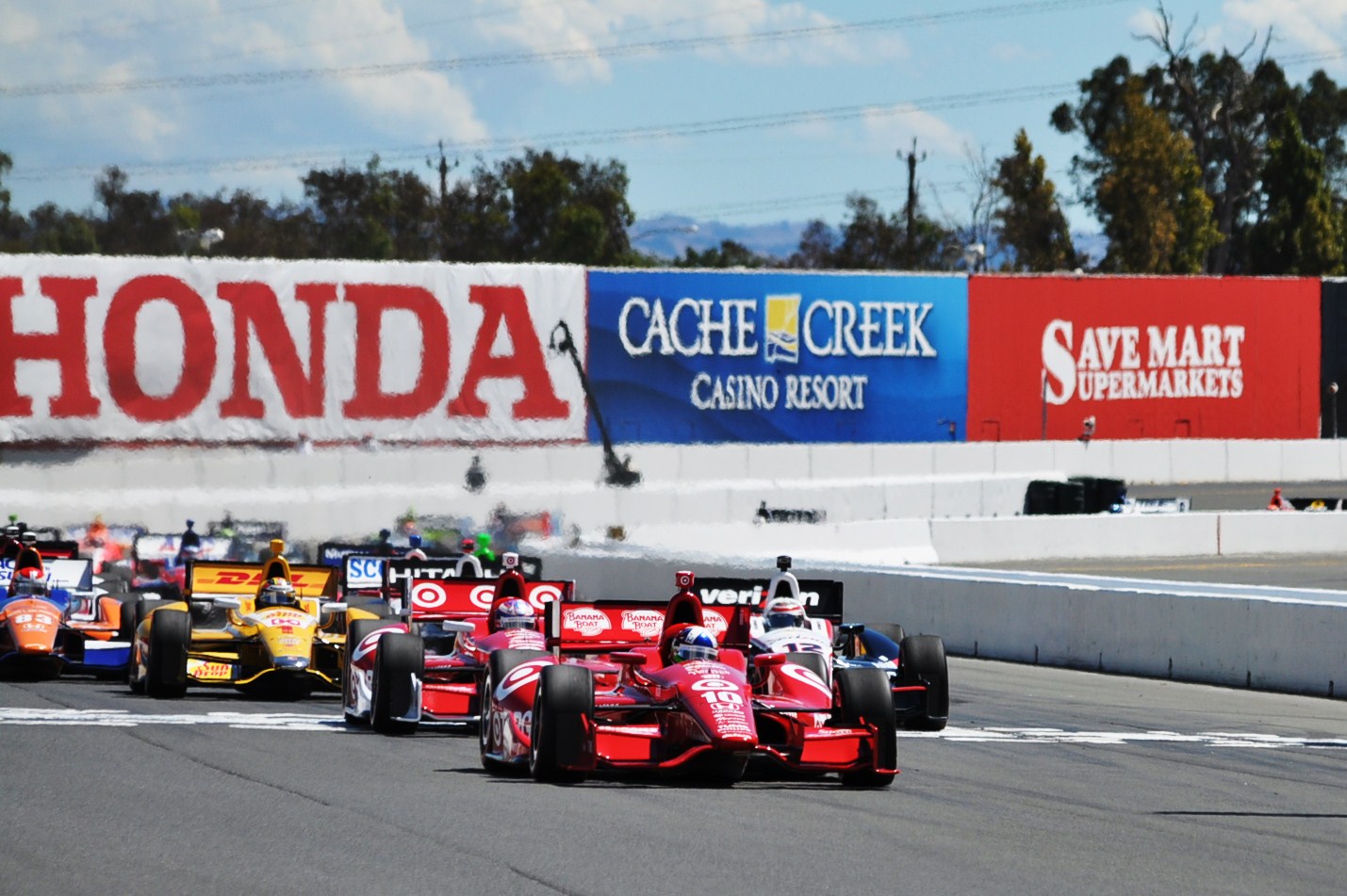
Andretti Autosport’s Ryan Hunter-Reay finished second at a circuit where his team historically has struggled to find performance. After failing to make the Firestone Fast Six in qualifying, Hunter-Reay was one of several who benefited from a first corner incident involving James Hinchcliffe, Helio Castroneves, Ryan Briscoe and Sebastien Bourdais.  All would continue, but Castroneves’ title hopes were dealt a setback. Simon Pagenaud finished third for Schmidt-Peterson Motorsports, an impressive result after a difficult weekend.

Power, who entered Sonoma leading the championship, took off to an early lead along with Newgarden and Dixon. Ahead by a comfortable margin, Power inexplicably spun at turn 7 on lap 36, shuffling him down the order.  “It took me by surprise when I spun. Thankfully I kept if off the clutch when it happened. That’s just racing.”

Dixon had to pedal for the win, but a succession of fuel-starved Dallaras fell by the wayside and lightened his task.  Ed Carpenter Racing’s Mike Conway took the lead on lap 40, thanks to an alternate fuel strategy after a mediocre qualifying (P17). The gamble was paying off until Graham Rahal passed Conway, who was trying to save fuel but also knew that Rahal had to stop before the finish.

At that point, one of Conway’s pit crew members pointed at the name below Conway’s on the timing sheet: Scott Dixon.  Dixon was gaining, taking advantage of fresh rubber against the scuffed Firestone reds Conway took on his final stop.  Conway – conserving every precious drop of Sunoco fuel – was passed by Dixon on lap 83. “I was doing all I could to keep those boys behind,” the Englishman said, spent after another shrewd charge to the front.

Conway’s car ran out of fuel on the final lap, and he coasted across the finish line before stepping out for the long walk back to his pit.  Dixon had enough for the finish, and the win.  “I think the team did a fantastic job with the strategies,” he said.  By winning, Dixon reached fifth on the career win list, joining Bobby Unser.

Although Dixon remains a mathematical possibility for series champion, Power retained a 51-point lead ahead of the season finale at Fontana. Pagenaud and Hunter-Reay were both eager to see the updated points tally after the post-race press conference, but only Pagenaud has a legitimate shot, should both frontrunners falter.

While Hunter-Reay and Pagenaud were startled to find the earth moving at 3:20 am, Dixon remained blissfully unaware. Maybe it’s the relaxed Kiwi nature, but Dixon was no worse for wear from his Sonoma shaker.

You can’t say the same about the rest of his championship rivals.

Conway

PowerSON

RHR2

PagSON

IndyCar at Sonoma: The song remains the same

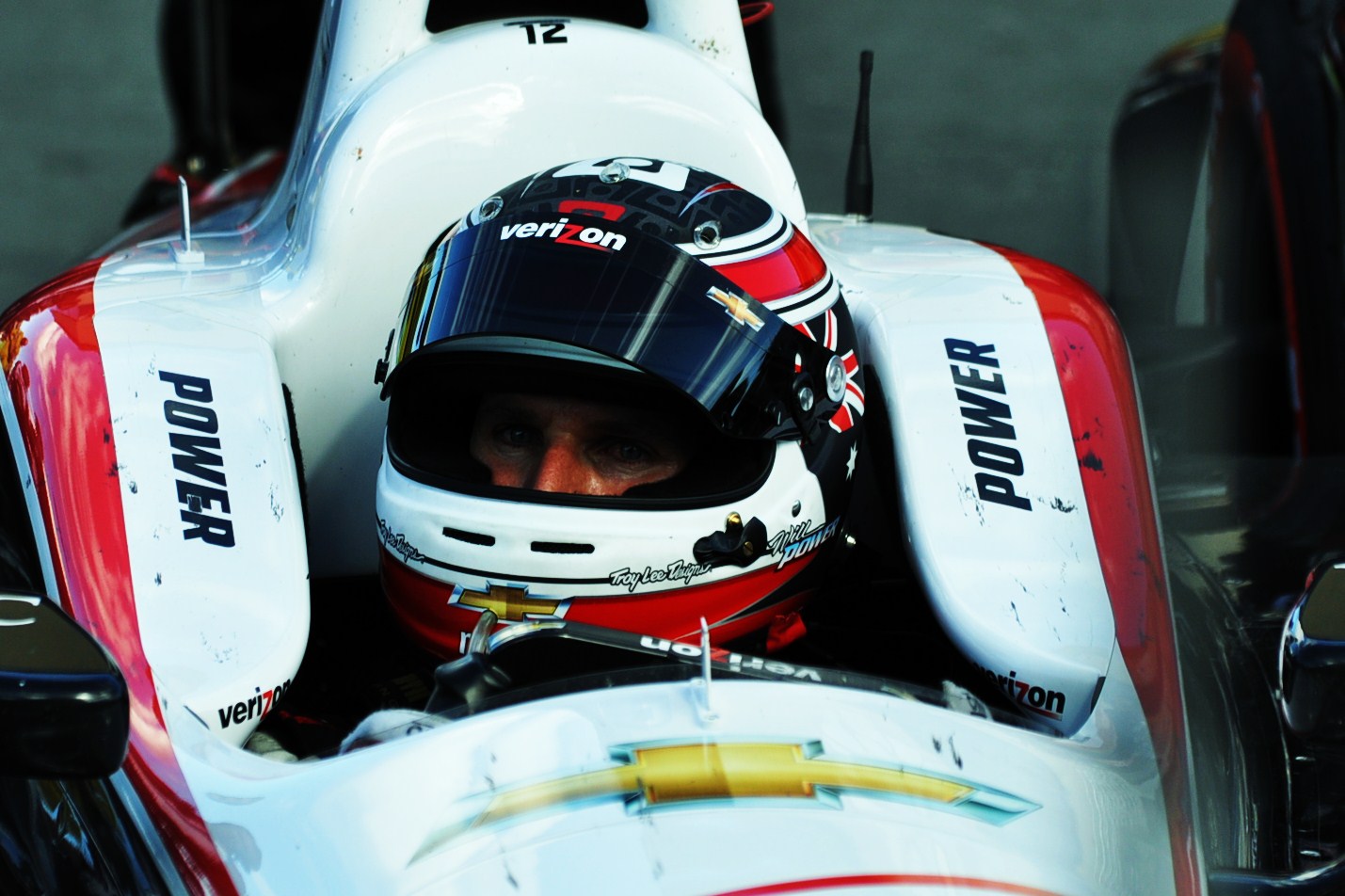
Power

The cream always rises to the top.  Unless it’s already there.

With three wins and a second at Sonoma in the last four years, Will Power has long been the class of the IndyCar field when it comes to the twisty, wine country road course. As Penske teammate Juan Pablo Montoya noted at a press lunch on Wednesday, “We’re all chasing Will” at Sonoma.

And chase they did.  With sublime car control that allows him to be on the throttle before most other drivers at Sonoma, Power took the Verizon pole award for Sunday’s GoPro Grand Prix with a blistering 1:17.41, just shy of his own record pole at Sonoma.  On Saturday, Power advanced to a Firestone Fast Six that included championship rival and teammate Helio Castroneves, who fell prey to a foot fault along turn 9 that left him P6. IndyCar race control had also warned drivers about using too much of the pit entrance lane to set up for entry into the hairpin at turn 11.

Josef Newgarden and James Hinchliffe rounded out the fastest four, the Canadian seeming almost surprised to have made it this far after a tumultuous day that included multiple spins. Earlier in the week, Hinchcliffe had expected better things from his Andretti Autosport teammate, Ryan Hunter-Reay, who had tested at Sonoma. Hunter-Reay failed to advance to the Firestone Fast Six, and Hinchcliffe looked like he had wandered into the wrong press conference.

For Newgarden, from minnow Sara Fisher Hartman Racing, prior tests at Sonoma paid off with a spot on the front row next to Power. Heady company indeed for a man who’s future plans remain uncertain.  If this was the time to impress, Newgarden hit all of his marks. “We’ve been here a couple of times this year (for tests) and I’m figuring it out.”

Earlier in the week, Montoya had tried to explain what gave Power such car command at Sonoma.  “We share data at Penske, ok? And so we ask Will, ‘What are your brake reference points for this turn or that?'”, the Colombian said.  “And Power, he looks at a little patch of dirt near the corner and says ‘There.’  And you are thinking, ‘What is he talking about?'”.

Indeed, Montoya is still wondering, as he never made it past the first round of qualifying.  That was deflating, given his confidence following a series of Penske tests at Sonoma. Power was immediately on the pace, as was Castroneves, who needs Power to falter in order to claim that elusive IndyCar title. In practice, Power broke his own lap record with a 1:17.239.

Power doesn’t have a simple explanation for his success. He felt relaxed in each session, against his better instincts from a track universally described as “technical”.  “This track makes you overdrive it,” Power said. “It’s easy to make mistakes.”

One can only wonder what Newgarden is expecting when he and Power reach the top of the hill tomorrow afternoon at Sonoma’s tight Turn 2.  The race is on NBC Sports Network at 1:40 PDT.

Helio

JPM

Newgarden

Hinch

IndyCar at Sonoma: Where the only constant is change

photo 2 (2)

IndyCar driver James Hinchliffe describes Sonoma’s occasionally slick track surface as “polished”. Fellow driver Juan Pablo Montoya says one or two turns are “blind and scary”. But that’s also part of Sonoma’s allure, the kind of character that leads drivers from multiple disciplines to describe the circuit as “a driver’s track.”

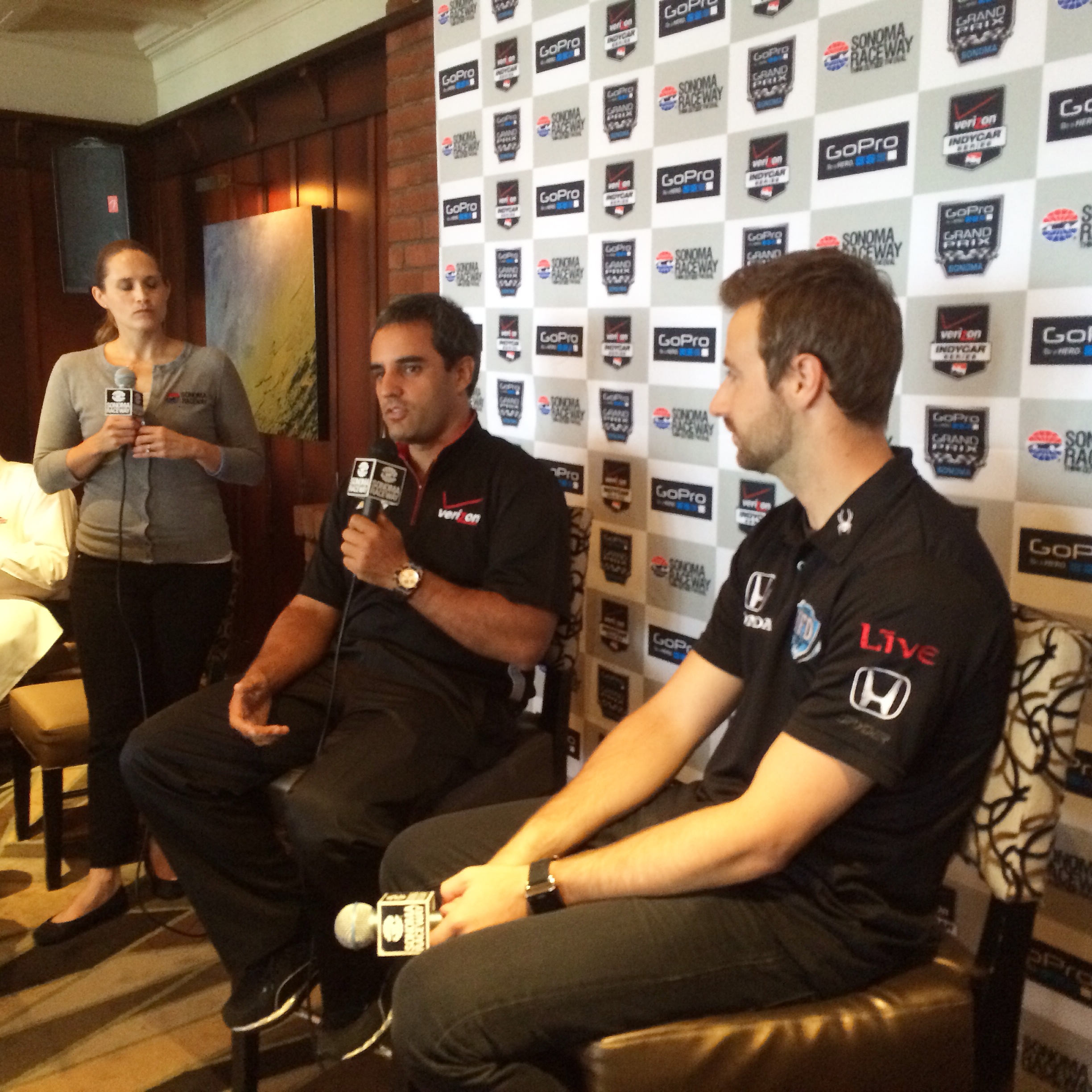
At a media lunch ahead of Sunday’s GoPro Grand Prix, Montoya and Hinchliffe reflected on what drivers like about the 12-turn, 2.38 mile course situated in Northern California’s wine country.  For Montoya, who has previously raced the circuit in stock cars, the change to an open-wheeler was eye opening.  “It’s fun to be on the gas,” Montoya said. “It’s incredible how slow (the Cup) cars used to go here. It takes half a straight to get wide open (in a stock car)”.

Montoya marked turns 3-3a as especially difficult (“Really really hard.  Turn 3 is where I lose everything.”), in addition to Turns 6 and 7 (“blind and scary”). The speed impressed Montoya upon his return to IndyCar.  “We use a shorter course in NASCAR and we still do the same lap time (in an IndyCar).”

Hinchliffe conceded that Andretti Autosport has not experienced much success at Sonoma, although Ryan Hunter-Reay has tested here, and the team hopes to change its fortunes.  “If we have a bad weekend, I’m blaming Ryan”, Hinchliffe joked. Hinchliffe was kidding, but he was visibly disappointed by the lack of testing compared with Montoya and Team Penske, who have visited the circuit several times this season. It’s especially difficult because there is no Friday practice for the IndyCar Series this week.

It’s the unpredictable nature of the circuit that both drivers agreed makes it a challenge.  Hinchliffe said that some drivers would prefer to skip the morning practice because the data, taken in the early morning cold, does not correlate to conditions at race time. Sonoma experiences wild swings from cool, gray mornings to blazing hot afternoons, followed by stiff sea breezes in the afternoon. Qualifying this year will take place in late afternoon. Hinchcliffe even cautioned against gleaning much from the data, lest the team change an otherwise optimal setup based on the wrong weather conditions.

Inevitably, both drivers’ thoughts turned to the championship leader, Montoya’s Penske teammate, Will Power.  “We’re all chasing Will”, Montoya said.  The Australian has a comfortable lead as the series heads into the next-to-last round, and Power already has three wins and a second place at Sonoma. Getting Power out of his groove won’t be easy, although Montoya is never short of confidence.

In most years, winning at Sonoma requires equal parts aggression and tire management, knowing when to push and when to let the race come your way. Cautions are a fact of life, ruining strategies and mixing up the field. Hinchliffe expects a few of the mid-grid qualifiers to start on Firestone’s black tires, trying to make something happen at a circuit where it’s difficult to find passing room.

And that’s part of what makes road racing at Sonoma special. When Montoya described some of the more challenging turns, he had a big grin on his face. Like he was having fun…the way it should be.

**Qualifying for the GoPro Grand Prix is live on NBC Sports Network and @LiveExtra at 7:30 pm et on Saturday.

Hinchcliffe

IndyCar returns to Sonoma with a full slate of racing

DSC_0575

The Verizon IndyCar Series returns to Sonoma Raceway August 22-24, with the full Mazda Road to Indy ladder back after a long absence.

Last year’s race winner, Will Power, leads the driver championship with three races left in the season.  Power’s teammate, Brazil’s Helio Castroneves, is only four points behind his fellow Penske driver.  Both have had success at Sonoma, but Power virtually owns the track.

Dario Franchitti captured pole position at Sonoma in 2013, but a late (aggressive) restart allowed Australia’s Power to capture his third win.  The race was marked by a pit lane incident involving Scott Dixon and a member of Power’s pit crew; Dixon was penalized for hitting a crew member with his car.  It dented Dixon’s championship bid, but the New Zealander bounced back to claim the driver’s title for Target Chip Ganassi.

The Pirelli World Challenge also returns to Sonoma, but it could be hard to repeat 2013’s action-packed race.  Cadillac’s Johnny O’Connell leads the GT championship, with Mike Skeen close behind. Cadillac is just ahead of Audi in the manufacturer standings.

Rookie Jack Harvey is neck and neck with Gabby Chaves in the Indy Lights championship.  This is the final year for the current Lights chassis, which is now in its second decade of use.  The second rung in the ladder – ProMazda – is led by Spencer Pigot. In USF2000, France’s Florian Latorre leads the championship ahead of Jake Eidson.

DSC_0619

GanassicreSON13

 RHR

pilgrim

Where’s my mullet? The GTO and Trans-Am era lives on…

MustangIMSA

The mullet is an under-appreciated hair style.  Known for being “business in the front, party in the back”, the haircut reached its peak somewhere around 1987, and it’s been in steady decline ever since.  While it still has fans, the mullet speaks to a different era.  Like this group of cars.

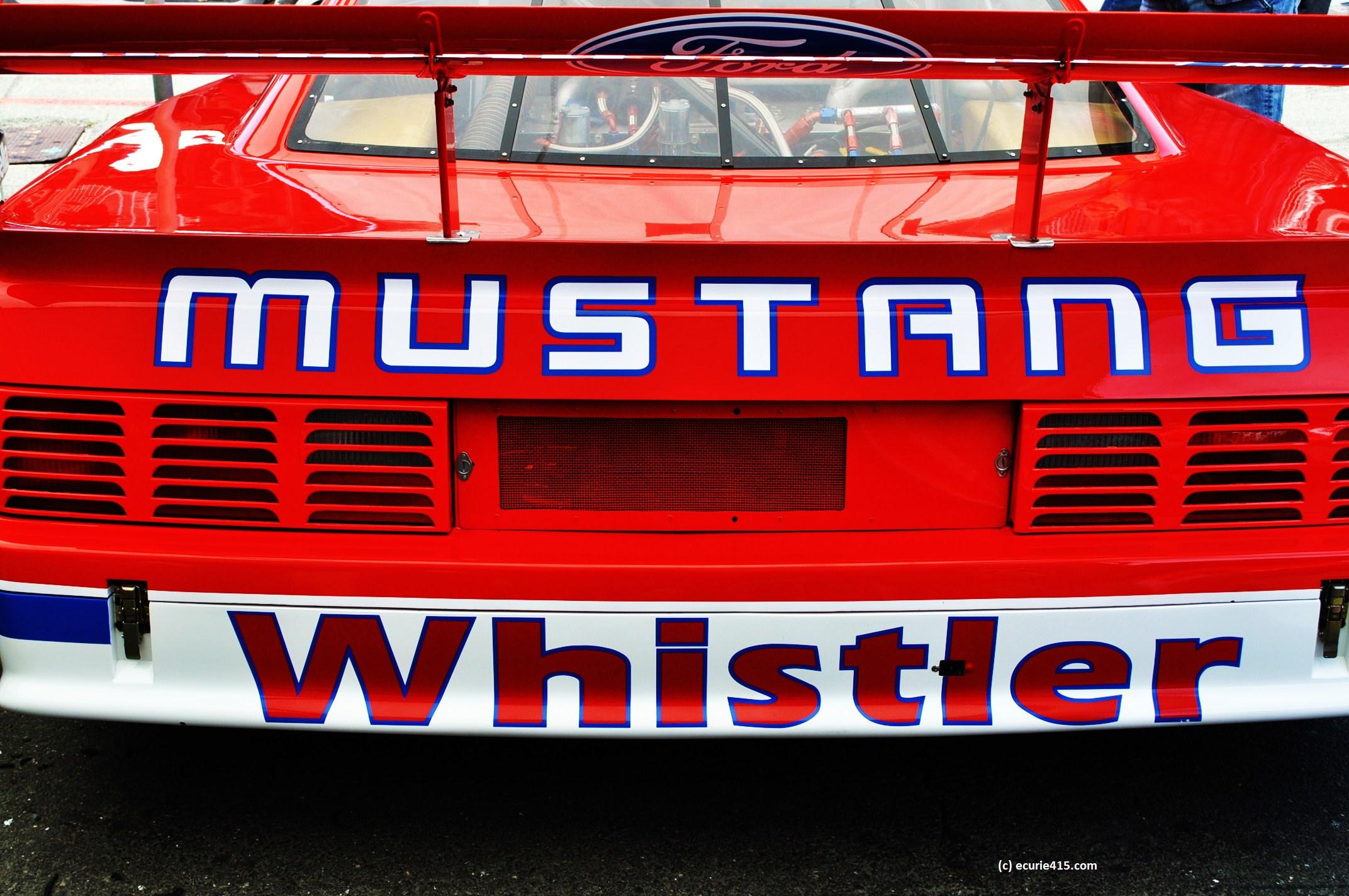
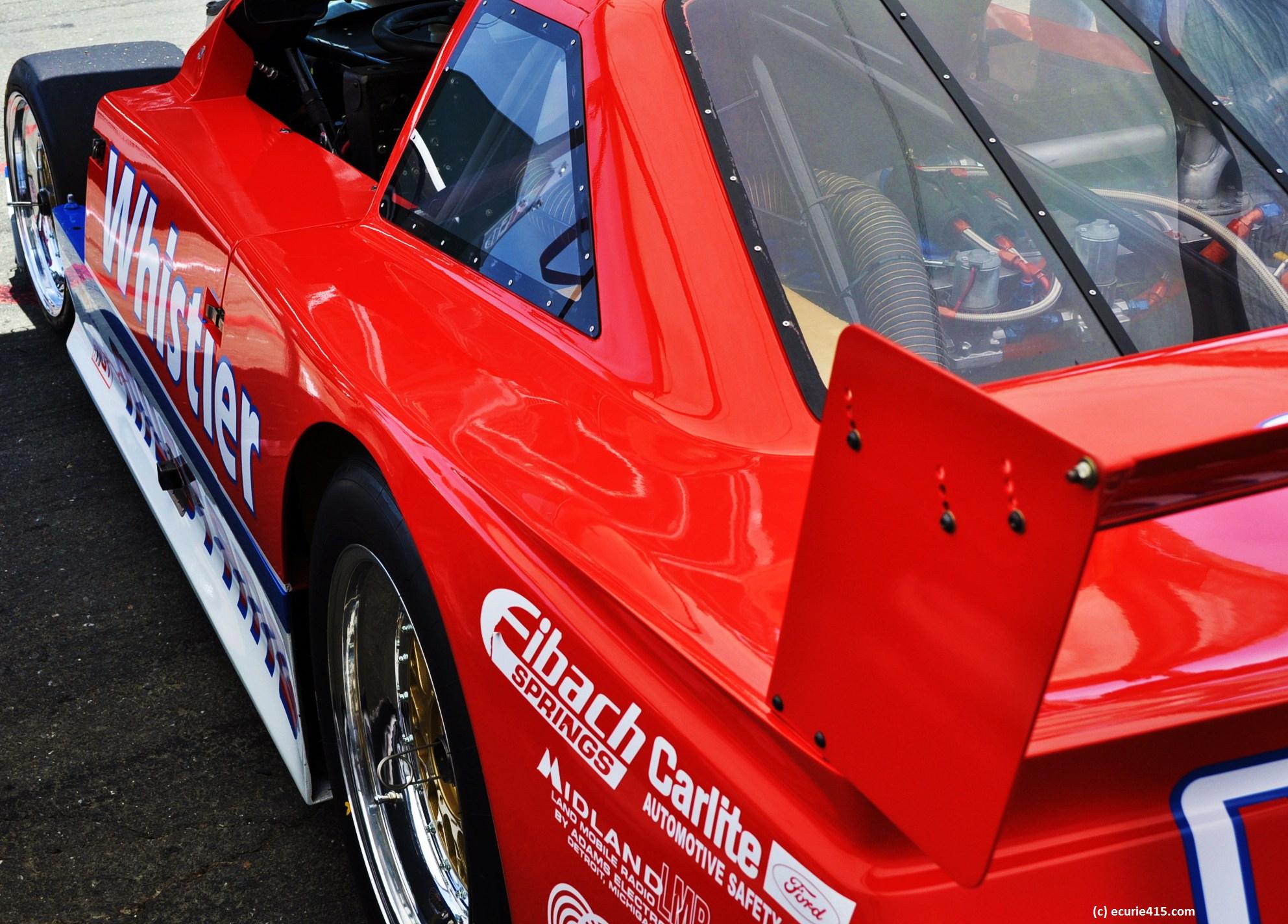
Think of IMSA and Trans-Am GT cars from the late 80s and early 90s as the Mullet Era of racing: manufacturers loved it – business in the front.  The cars produced heaping gobs of power – a little too much fun (party in the back), but the inevitable result of a wide-open rules package.  The Roush Mustang had about 750 bhp – in a four banger.  Roush wiped the floor with the competition, with drivers Robby Gordon, Tommy Kendall, and Dorsey Schroeder.  This chassis (M008) racked up wins at Portland, Road America and Del Mar.

These cars remind me of something my second cousin pulled up in around 1986.  He liked cocaine and wore aviator shades.  He rocked that mullet pretty well, too.

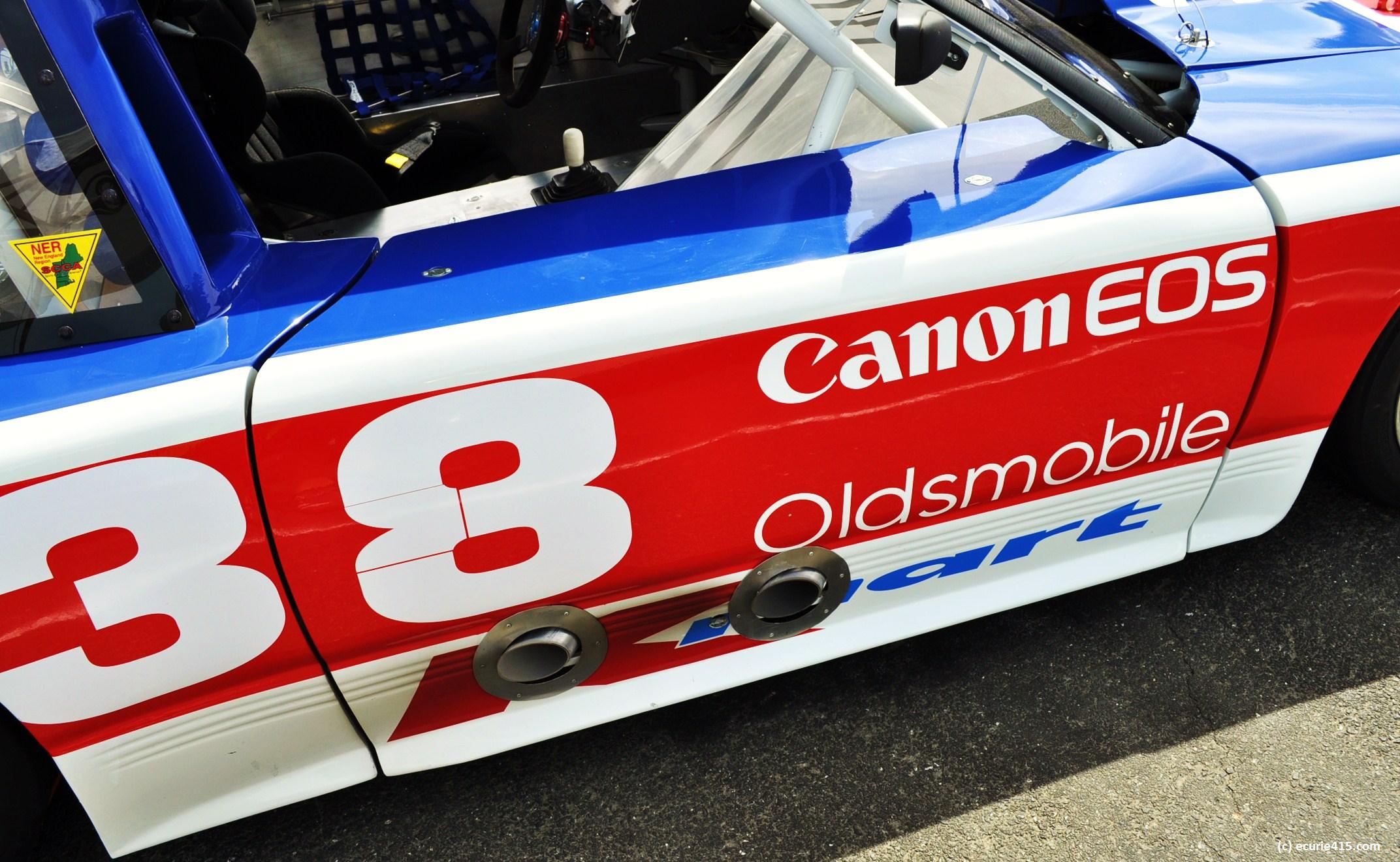
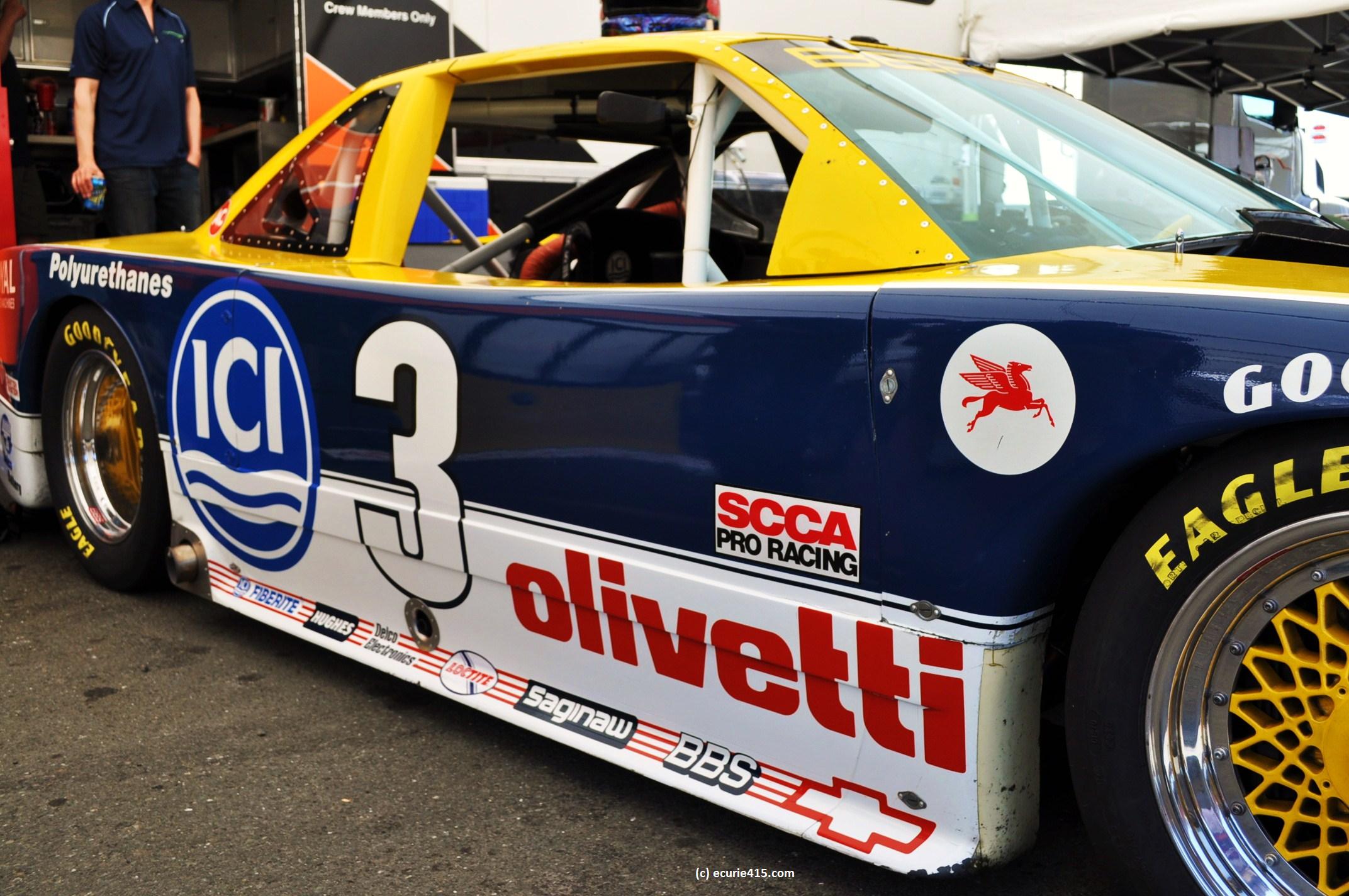
Some of these cars are ridiculous interpretations of cars you wouldn’t be caught dead in at the time.  A Chevy Beretta and a Buick Somerset? Maybe the Fiero, but an Oldsmobile Cutlass? Not so sure.  But, just like my second cousin, they’re still rocking that mullet.

Roush1991Mustang

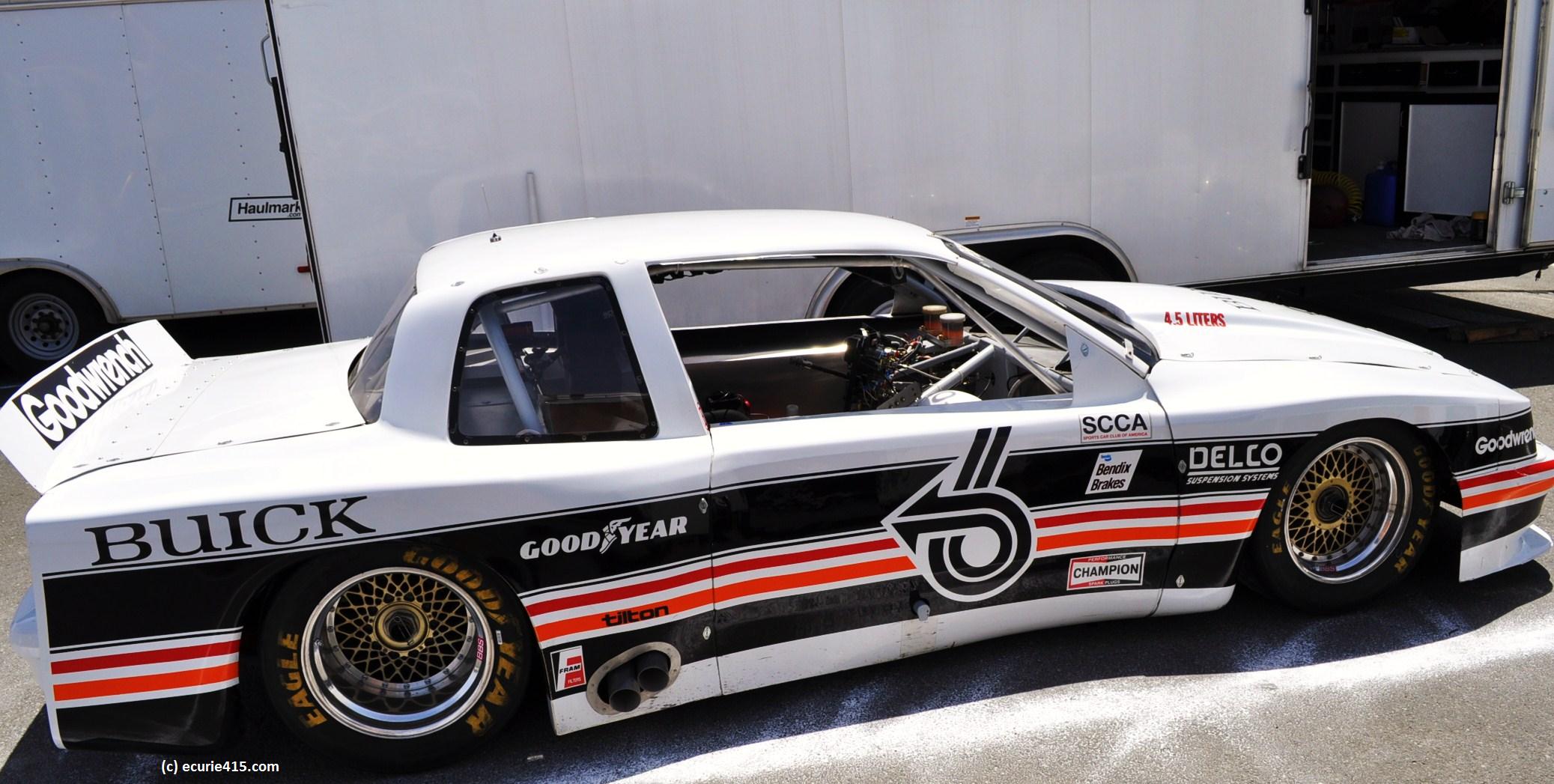
Driven by Elliot Forbes-Robinson, the Trans-Am Somerset won at Detroit and Sears Point in 1985, with three seconds and a third.  Good enough for fourth place in the championship that year.

BuickSomerset2

BuickIMSA

BuickSomIMSA

The 1987 Fiero earned two wins and three seconds to finish third in the GTO championship that year.

Fiero

OldsIMSA

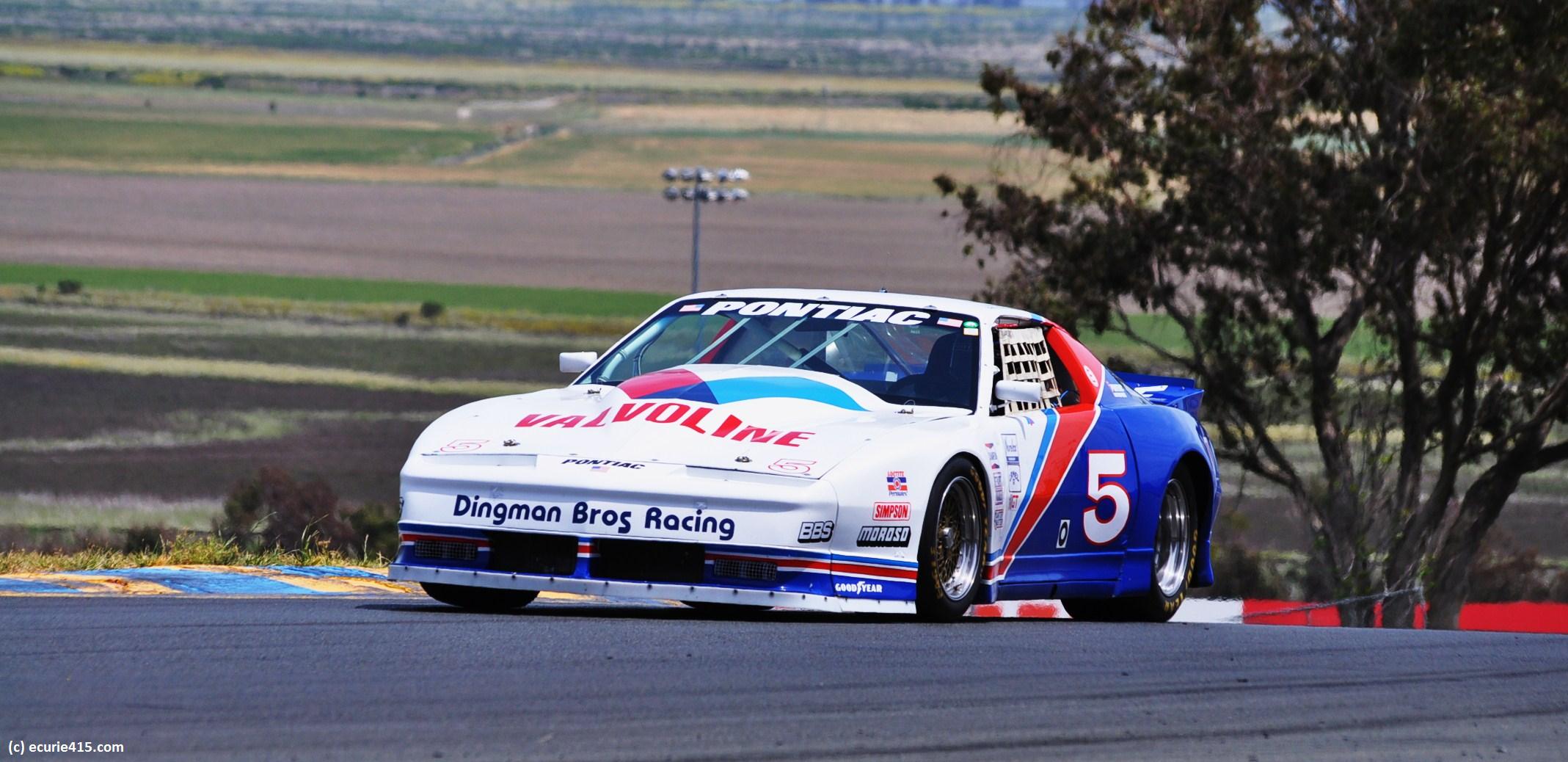
Olds Cutlass (above) earned a few Trans-Am podiums but no wins.  1990 Beretta finished one-two.

90Beretta

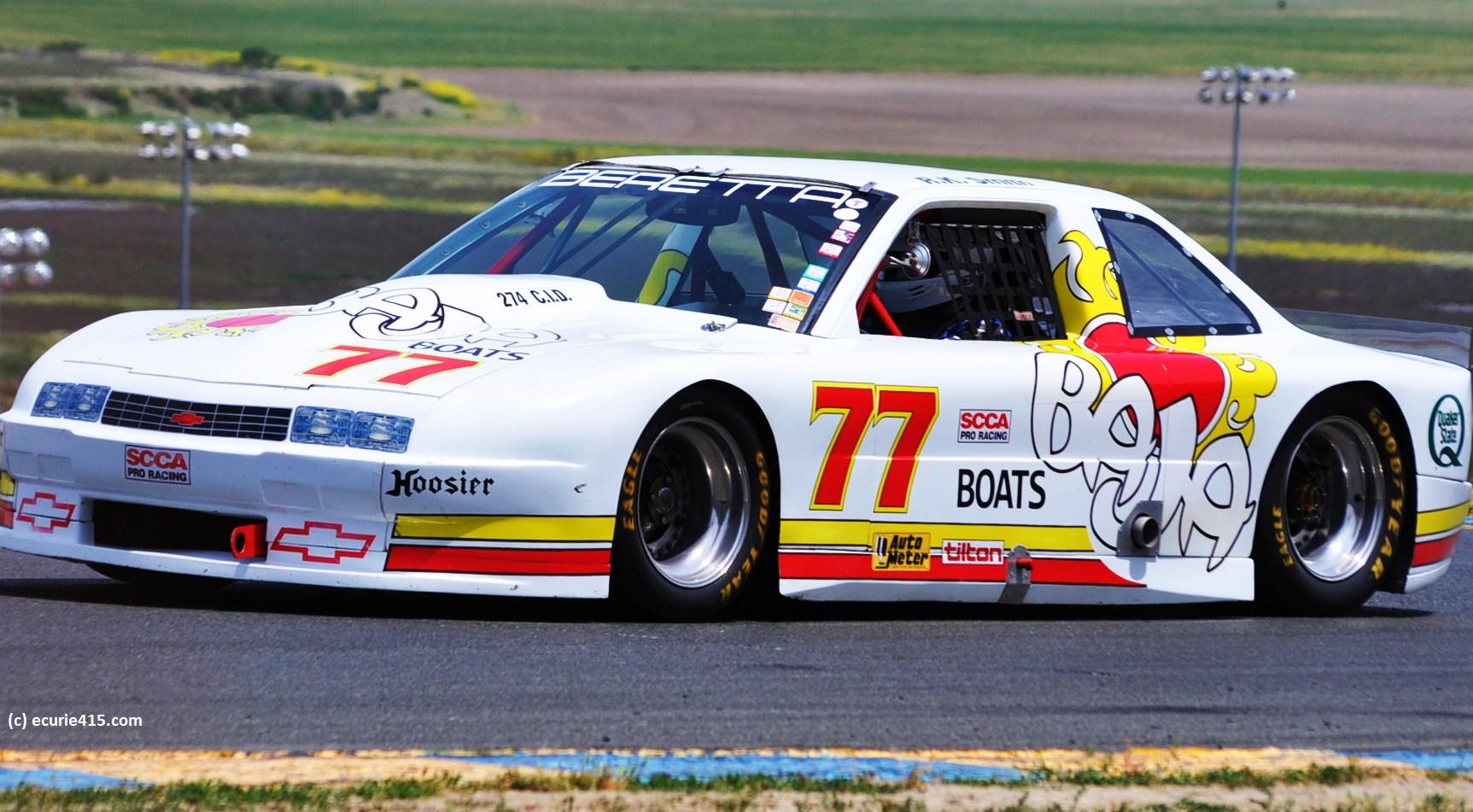
Baja Boat Beretta looked good but had a middling record running in the IMSA and Trans-Am series in 1988.

BajaBoatBeretta


Pacific Coast 356

Porsche356

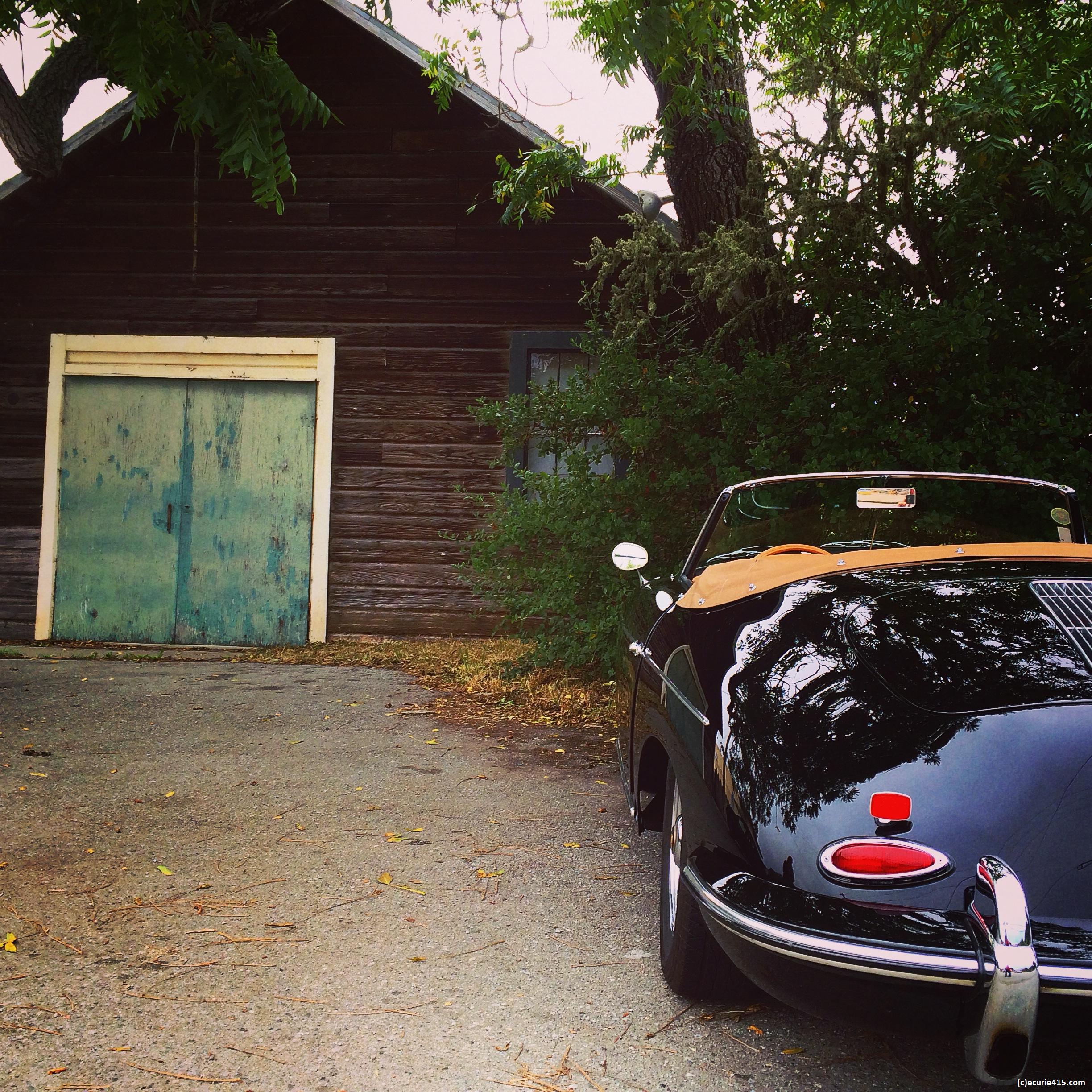
Sometimes it pays to take the road less traveled.  Tiny San Gregorio, California, is just off the Pacific Coast Highway (Highway 1), about an hour south of San Francisco.  It’s a small town with a traditional general store, where you can buy dutch ovens and ranch gear just as easily as you can find scented candles and handmade soap.

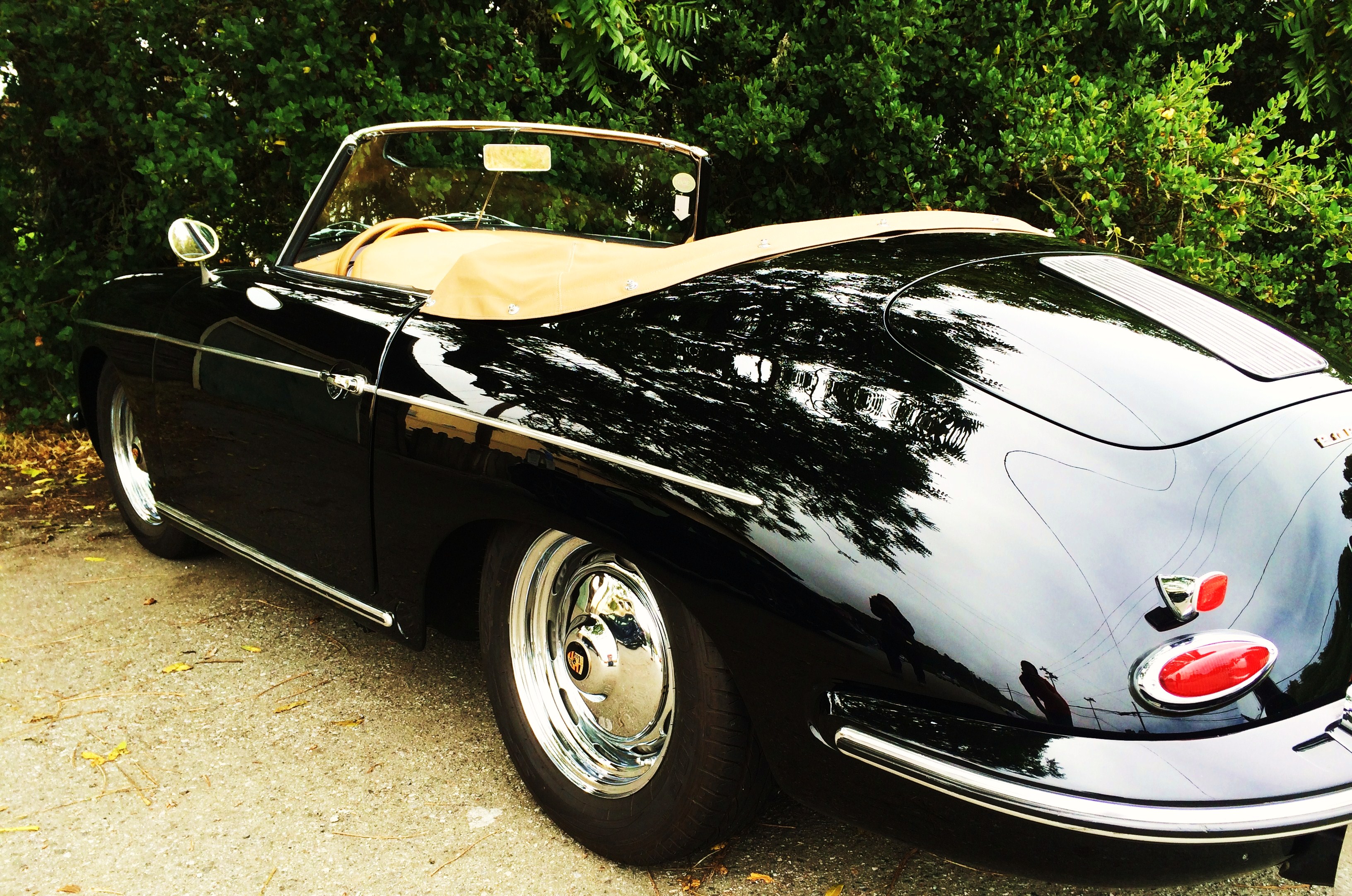
The payoff was a 1960 Porsche 356 1600 Super parked in front of an old garage.  The car is listed on the Porsche registry, and every bit of it was immaculate.  Just a little bit off the beaten path.

photo 2

Stars and stripes and horsepower – Happy July 4th!

CorvetteCSRG

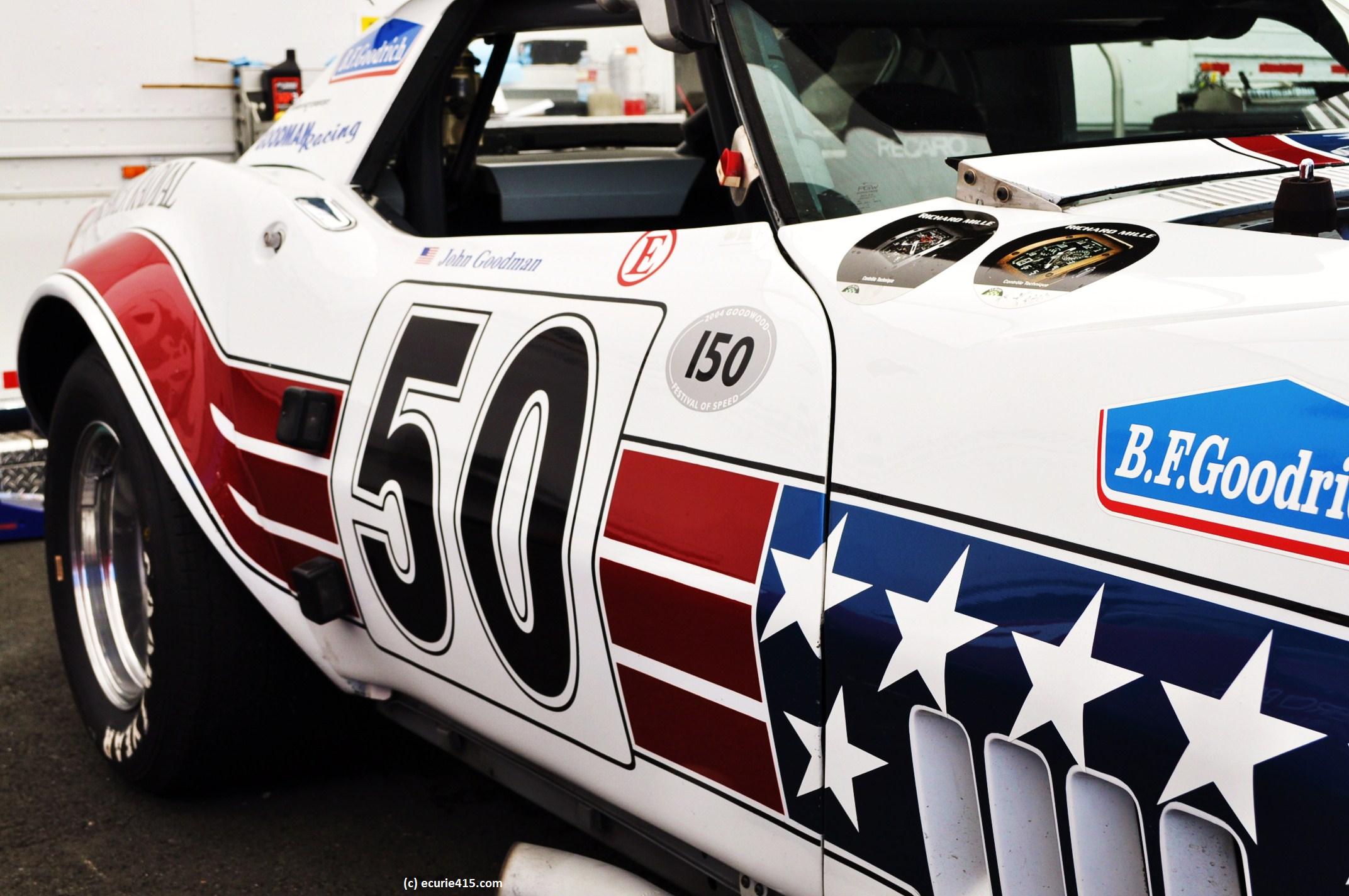
It’s America’s birthday, time to celebrate with the stars and stripes.  This is the 1972 Greenwood Corvette 427 ZL-1 that raced at Le Mans in 1972, breaking the record for GT cars at 220 mph. Today, it’s part of John Goodman’s incredible collection and a patriotic example of an American classic.

Can-Am: When dinosaurs ruled the earth…

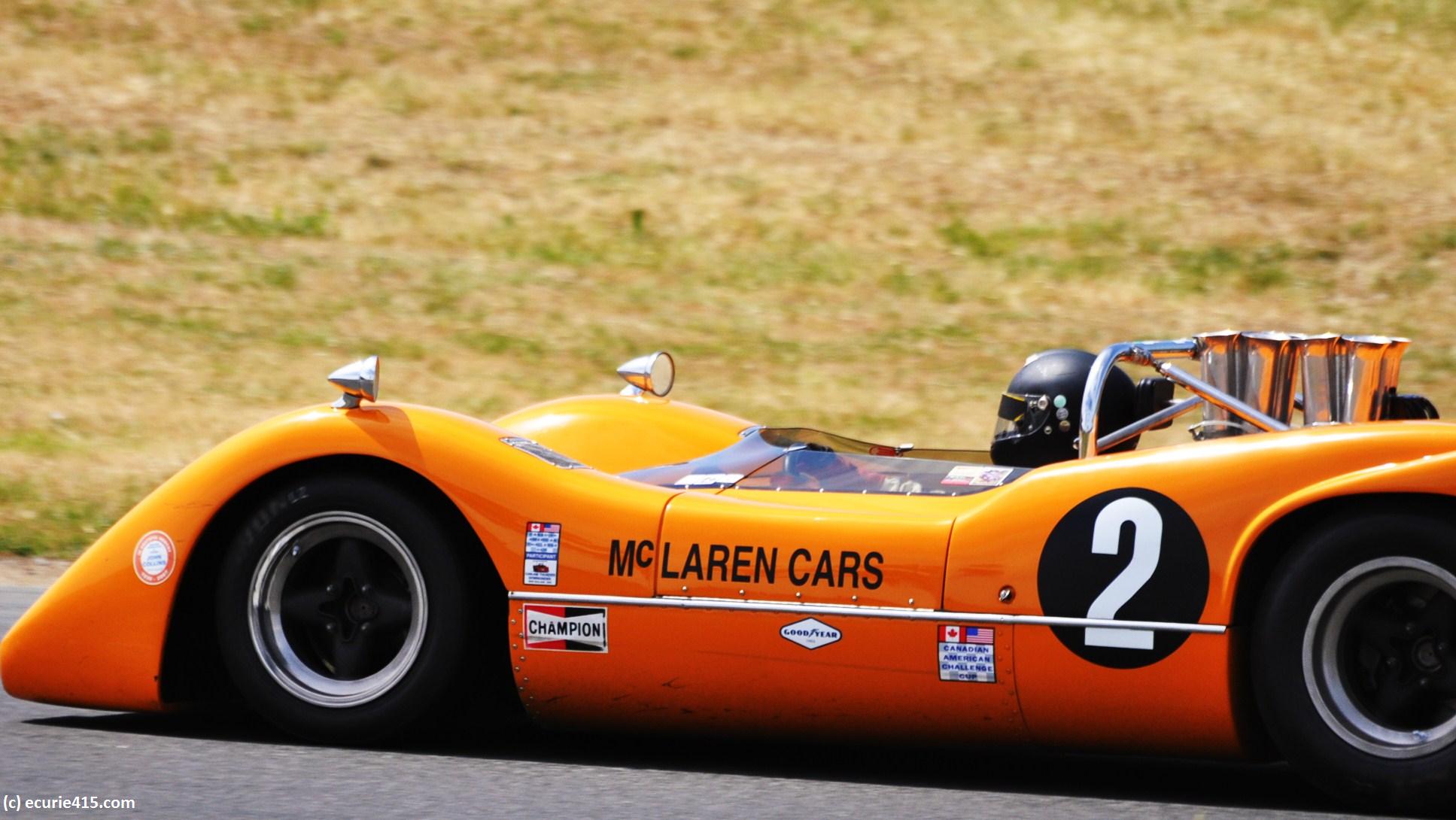
McLarenM6

Can-Am.

Two words that evoke a golden age of unrestrained power and speed.   Quite possibly the high water mark of sports car racing in North America, a series that reached its peak from 1967 to 1972, before imploding under its own weight and spiraling costs.

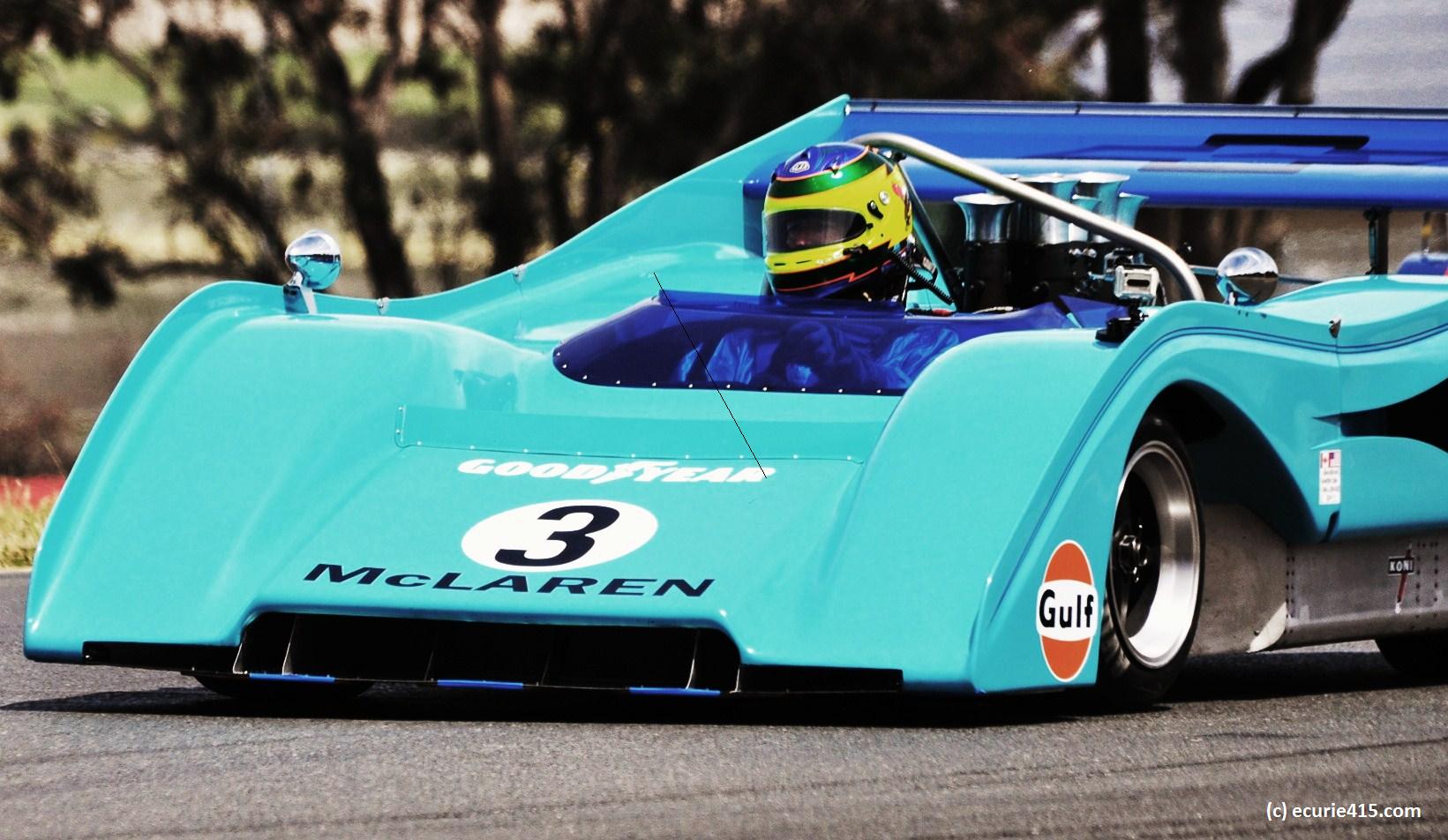
In its heyday, Can-Am cars were the Tyrannosaurus Rex of the racing world: the biggest, baddest top level predators on earth.  No restrictions on engine displacement, no chassis rules, and none of the silly spec racing that plagues the world today.  Fat rear tires and outrageous aerodynamics.  McLaren, Lola, Chaparral, and Porsche battling for honors at legendary circuits like Mosport, Laguna Seca, Elkhart Lake and Watkins Glen.  All of the best drivers: McLaren, Surtees, Hill, Hulme, Gurney, Follmer, Fittipaldi, Stewart, and more. Make no mistake: these cars were beasts, difficult to handle even in the hands of the world’s best.

The series began as an opportunity to race under FIA Group 7 rules, an “open” formula for sports cars that did not require homologation.  The money was good in North America, and many F1 stars flew from Europe to the United States between grand prix commitments. The first season was just six races, and F1 world champion John Surtees won the title in a Lola T-70.  The races weren’t endurance contests, as Group 7 rules were not designed for long-distance racing.

In that first season, Lola ruled the roost with its revered T70.  And it was a great choice, winning the first championship before McLaren came along with the revolutionary M6; i.e.,  the car that changed everything.

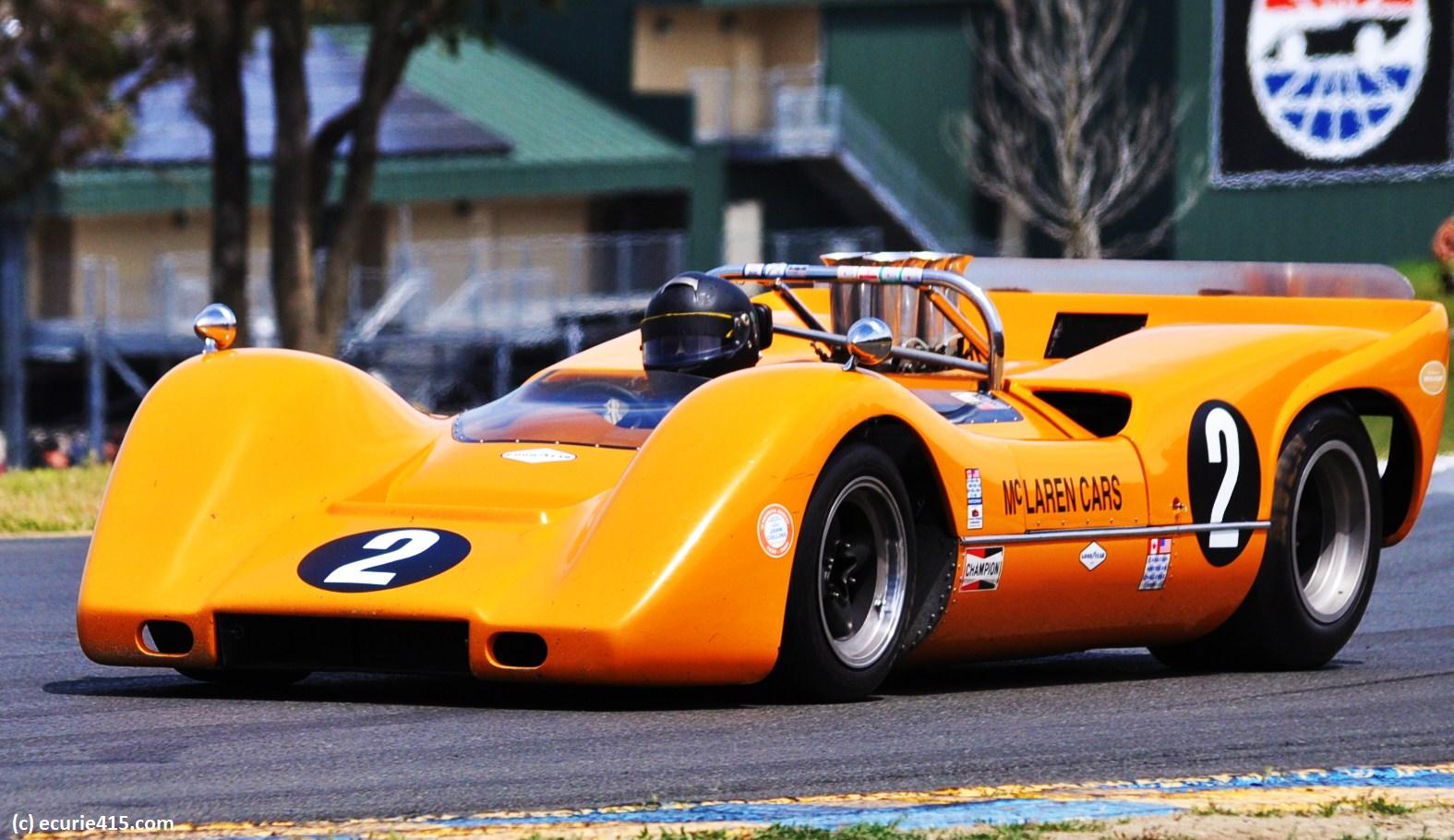
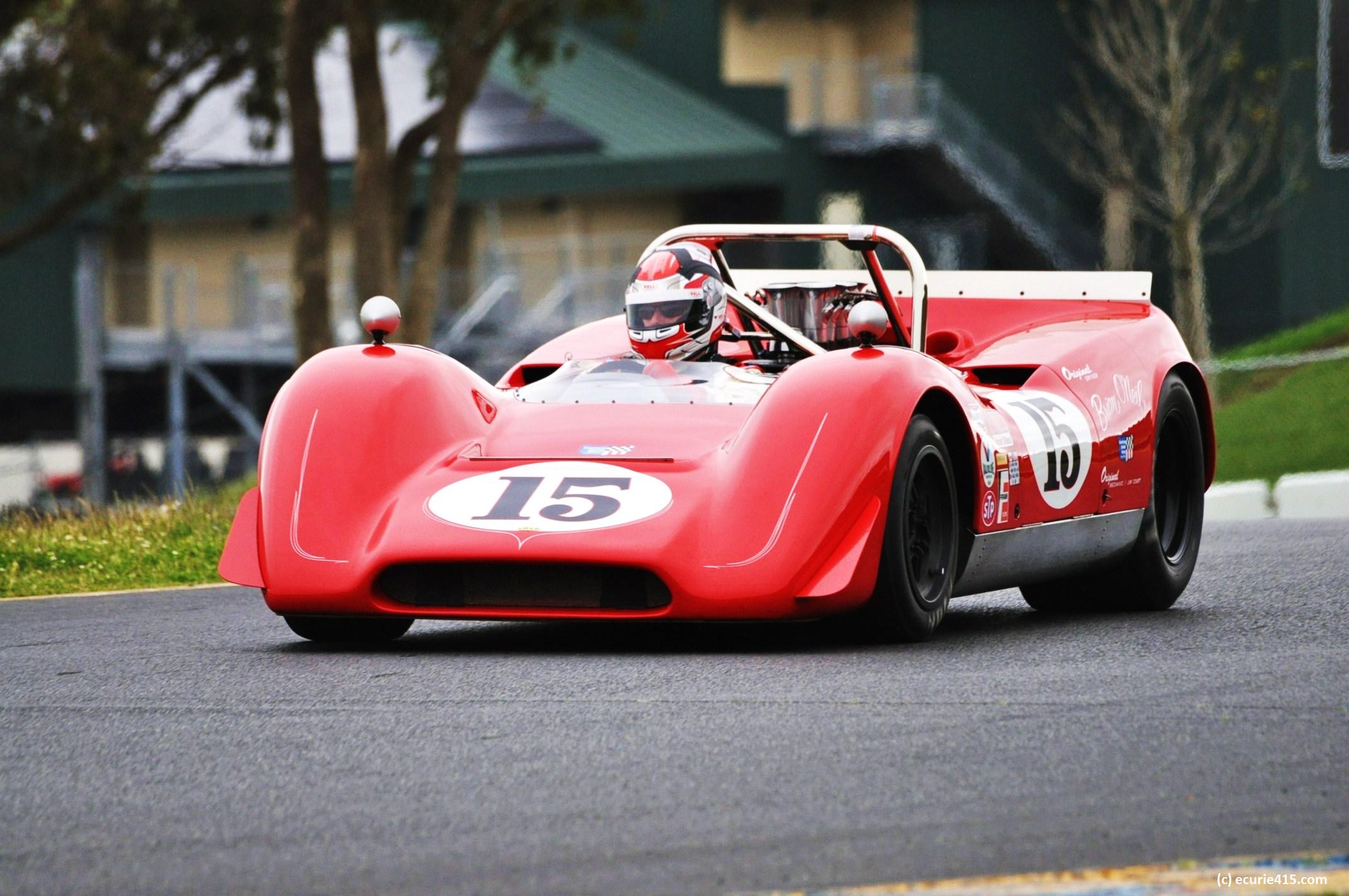
Stuffed with powerful Chevrolet engines (like the 1968 M6B, above), McLaren dominated the series for four years, until founder Bruce McLaren died in 1970.  In 1972 Porsche – with the 917 excluded from Le Mans – waged an assault on Can-Am led by Roger Penske and his 917 open-top coupe.  Mark Donohue won the championship in Penske’s distinctive blue and gold Porsche.

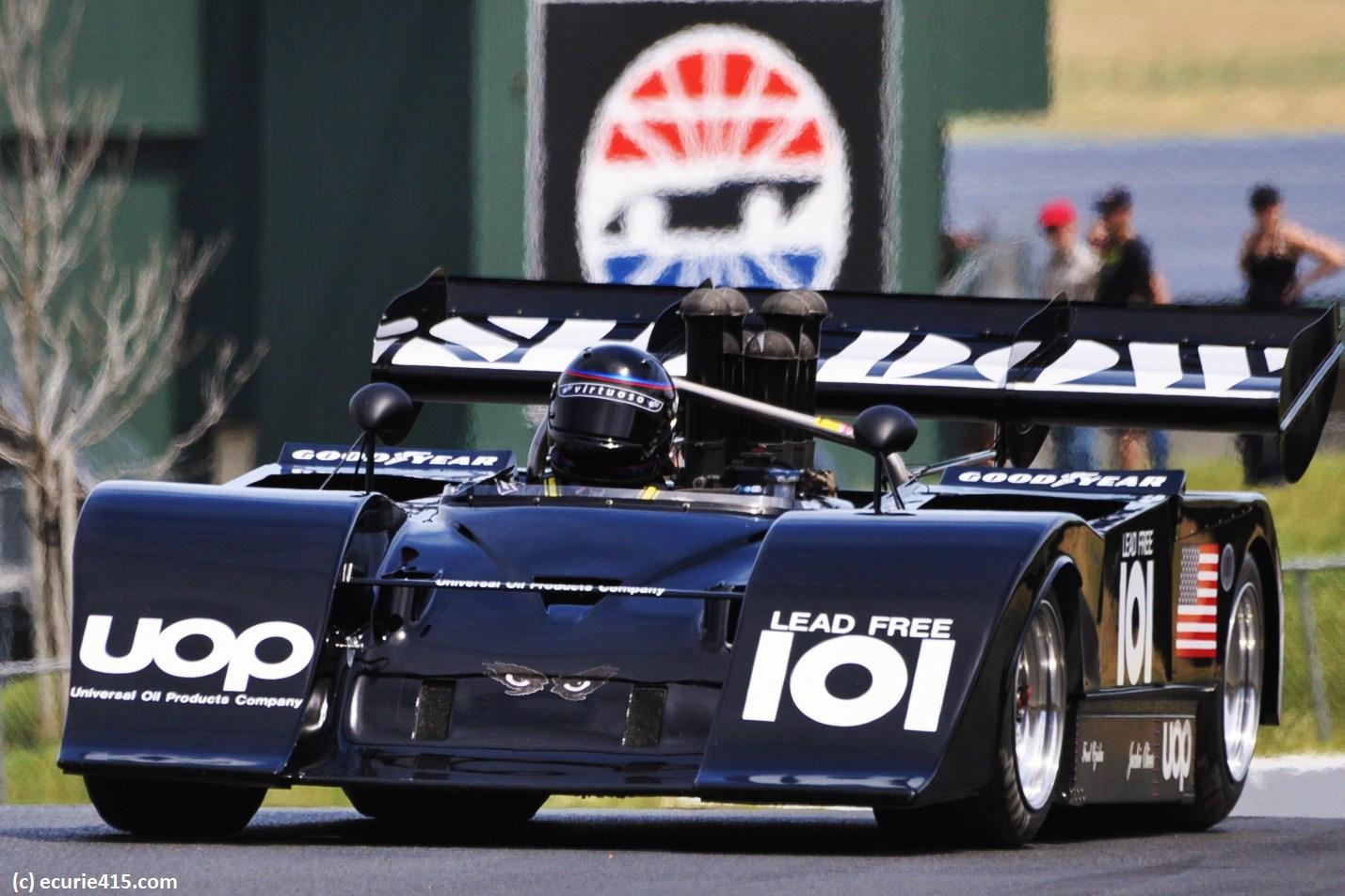
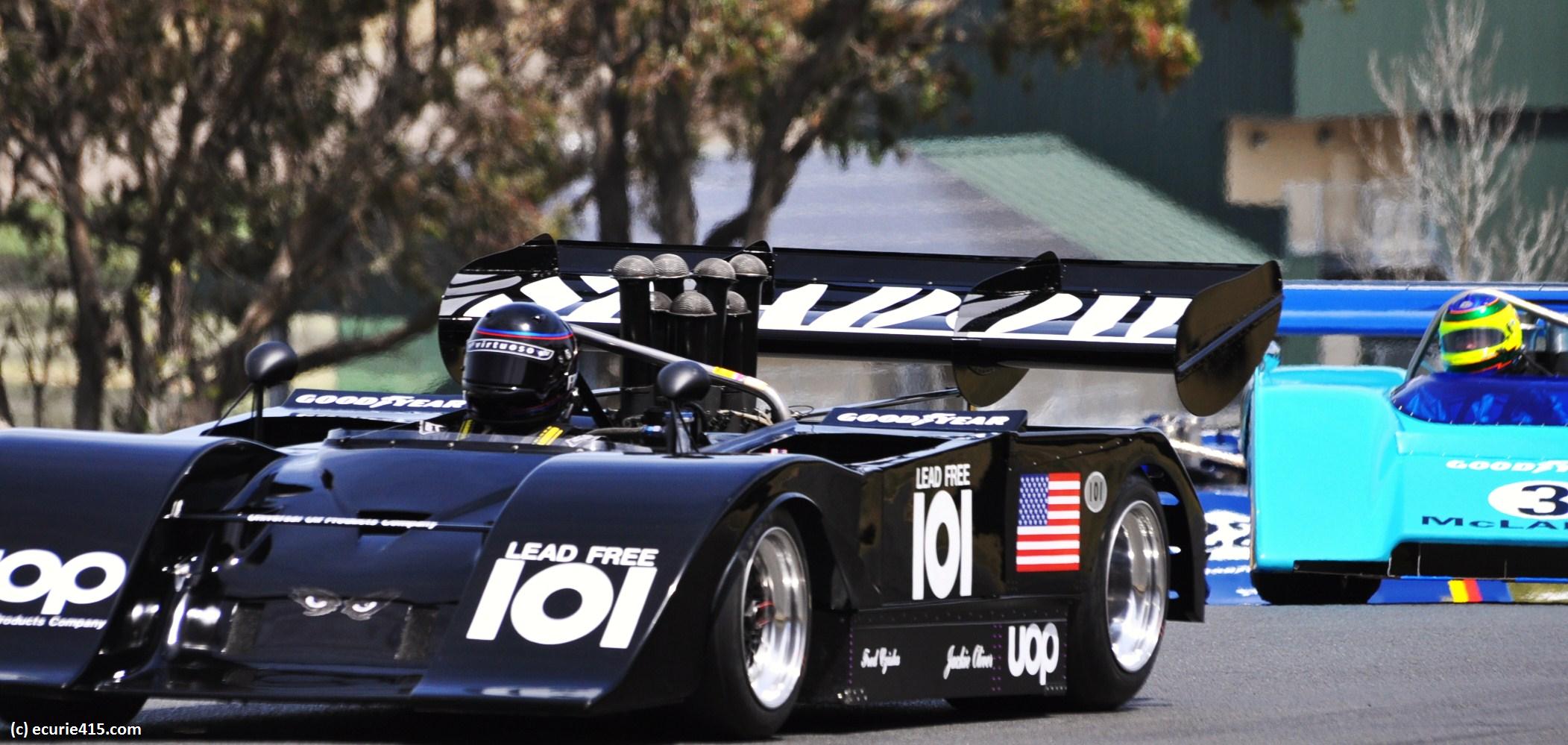
Shadow appeared in 1971, winning the title in 1974 with the distinctive DN4.  But the end was near; an oil crisis, lopsided competition, and rising costs doomed Can-Am version 1.0.  Shadow’s title ended the first era, although the series survived officially until 1987.  The legend lives on today, in historic races like the Sonoma Historic Motorsports Festival, where all of these cars are raced with vigor.  They serve as a reminder of a lost era in sports car racing.

***
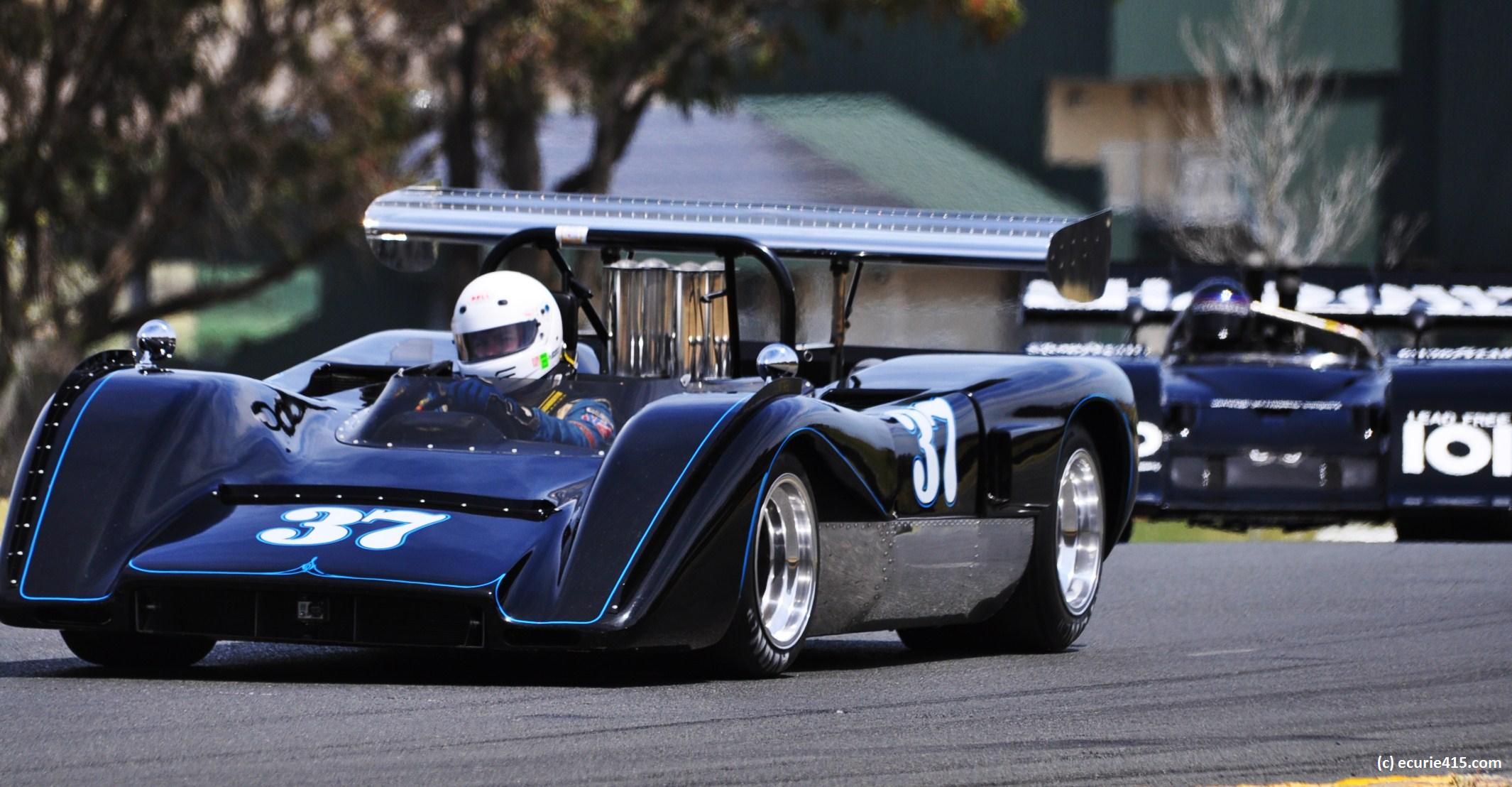
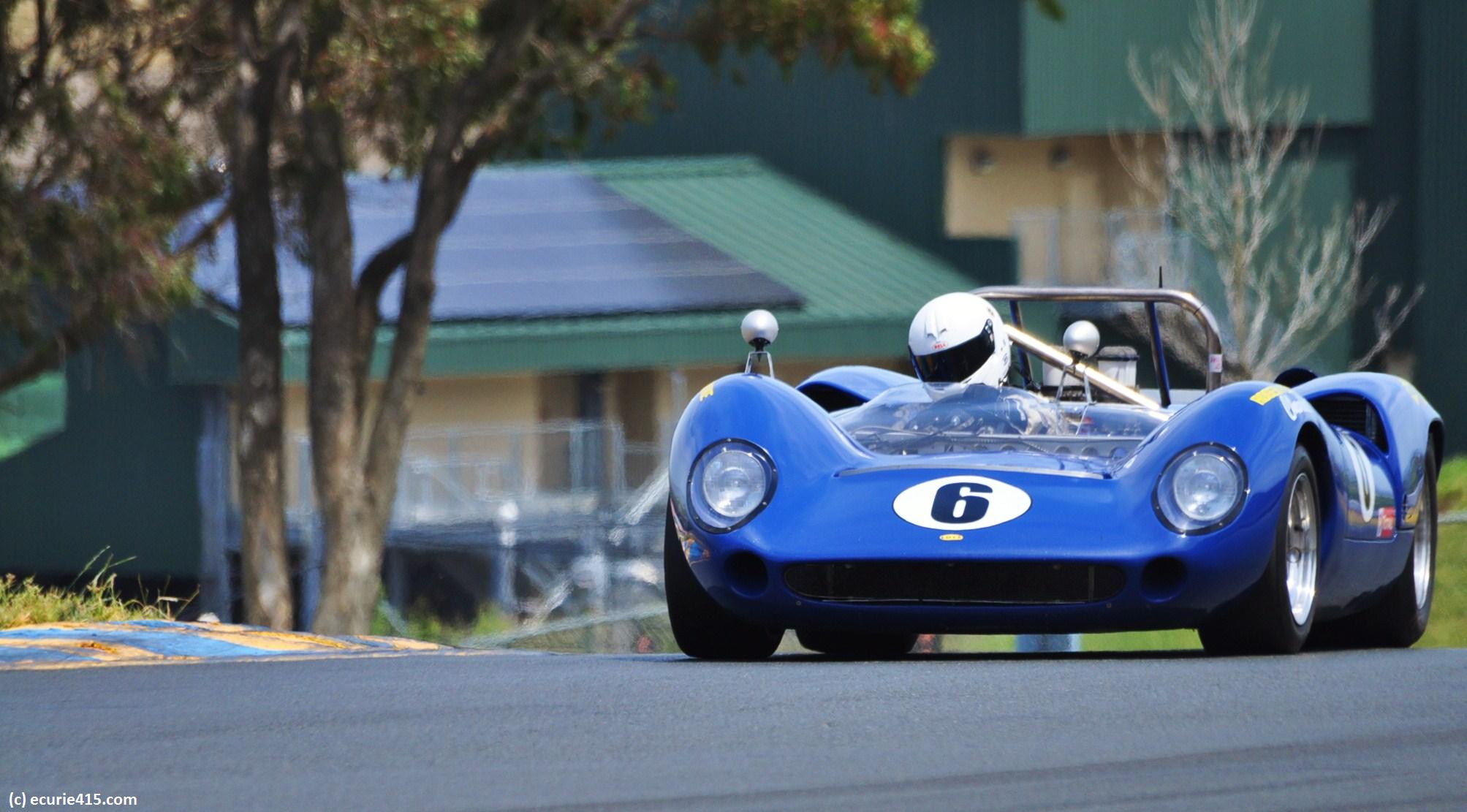
Lola won the first Can-Am championship in 1966, with 1964 F1 champion John Surtees at the wheel of a T-70 Mk II. Compare the modest designs of the T-70 with the bigger and bolder M6B (above) that appeared just two years later.

LolaT70MkII1966SON14

The McLaren M6B was Bruce Laren’s first all-monocoque sports car.

McLarenCanAM

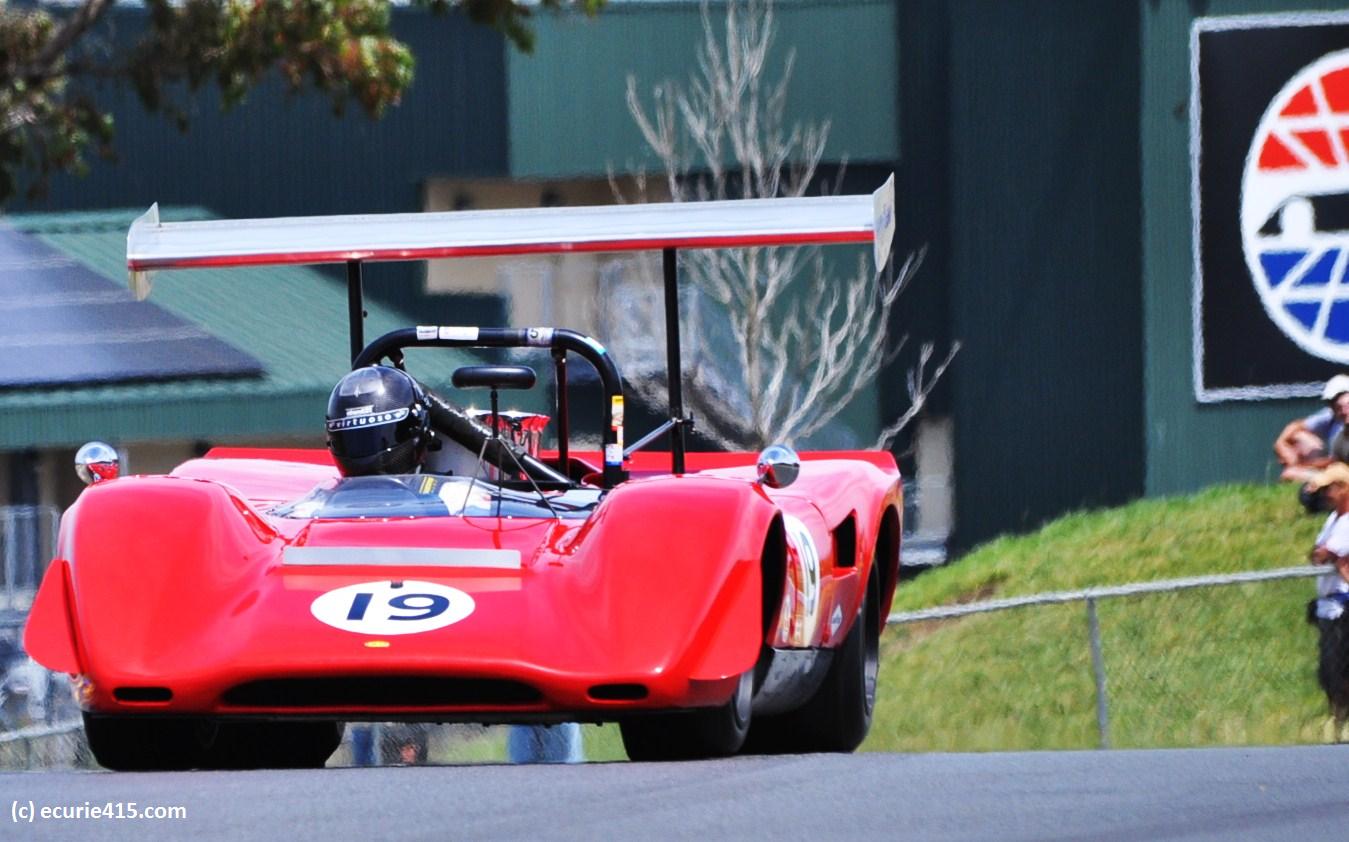
Lola soldiered on, despite McLaren’s runaway success after 1967.  The best result for the 1969 T-163 (below) was a second place at Riverside.  It finished third in the championship to McLaren.

LolaCanAm

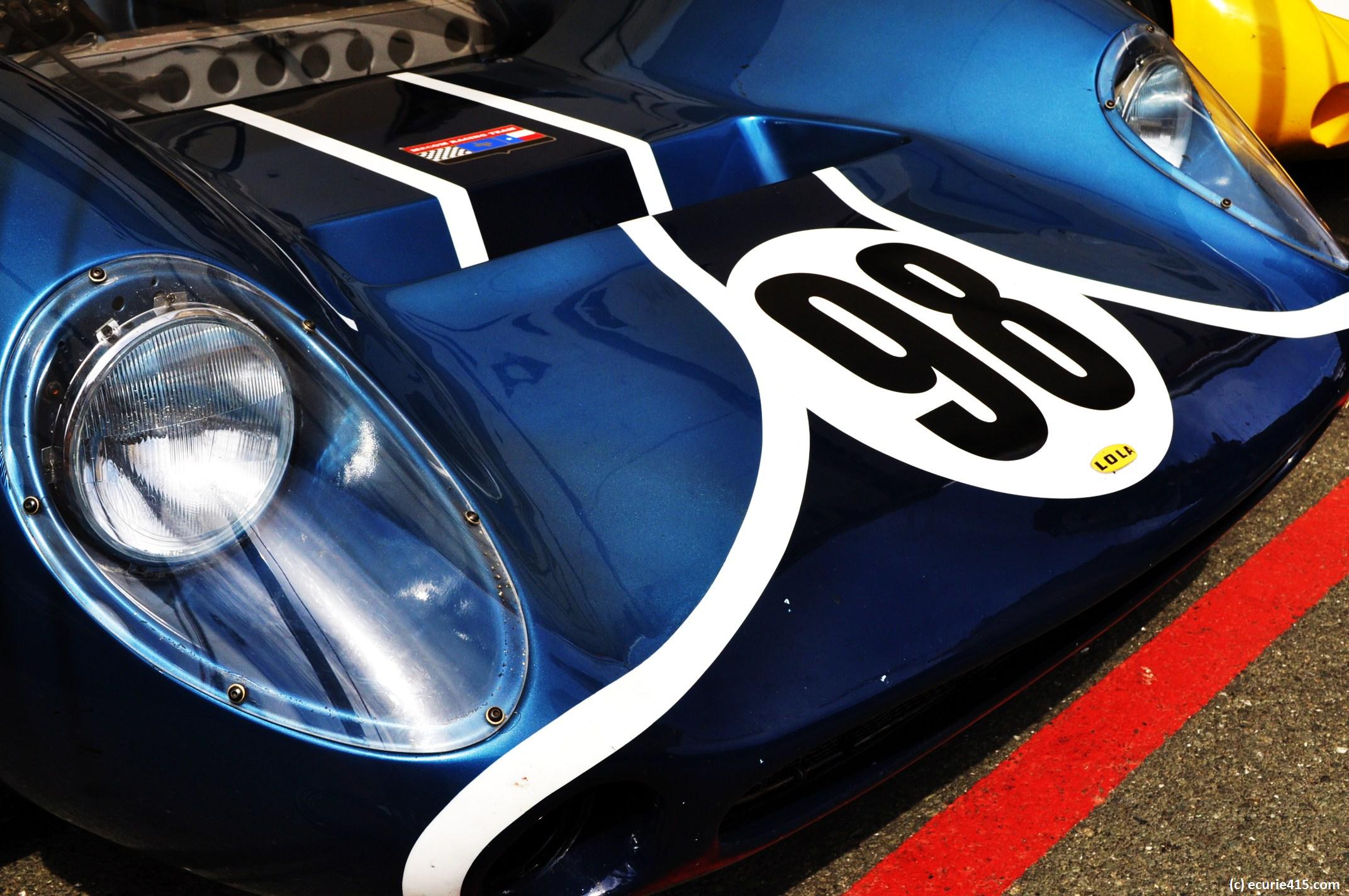
Close-up of the 1967 Lola T-70:

LolaT70SON14

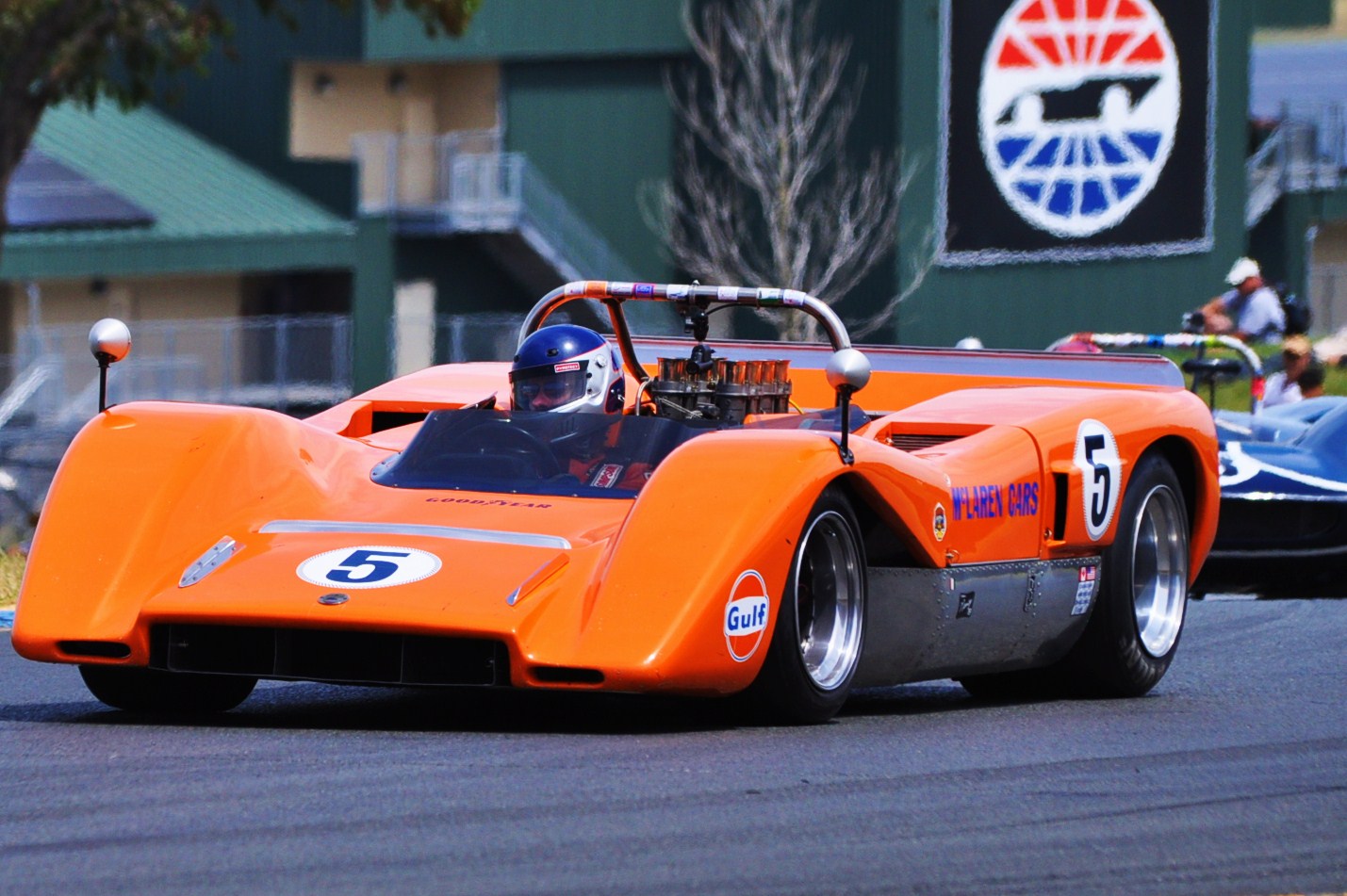
For 1968, McLaren moved on from the M6 and began working on the M8. The example below is a 1969 M8C.

DSC_1115

Lola T-160, raced by Sam Posey, Swede Savage and Dan Gurney in 1968 (from the 2013 CSRG Season Opener).

LolaCSRG

Spencer Trenery won the Can-Am group at the 2014 Sonoma Historics in a 1970 McLaren M8C.  This is a customer car that was built to race overseas.  By 1970, McLaren was farming out the lucrative customer market to another manufacturer, Trojan.

McLM8CSON14

More unique machinery populated the grid; witness, the “Sting”, below.  Built in Southern California, the Sting used a Porsche 917 body with McLaren suspension.  It only raced a few times before the money ran dry.

KendallCanAM

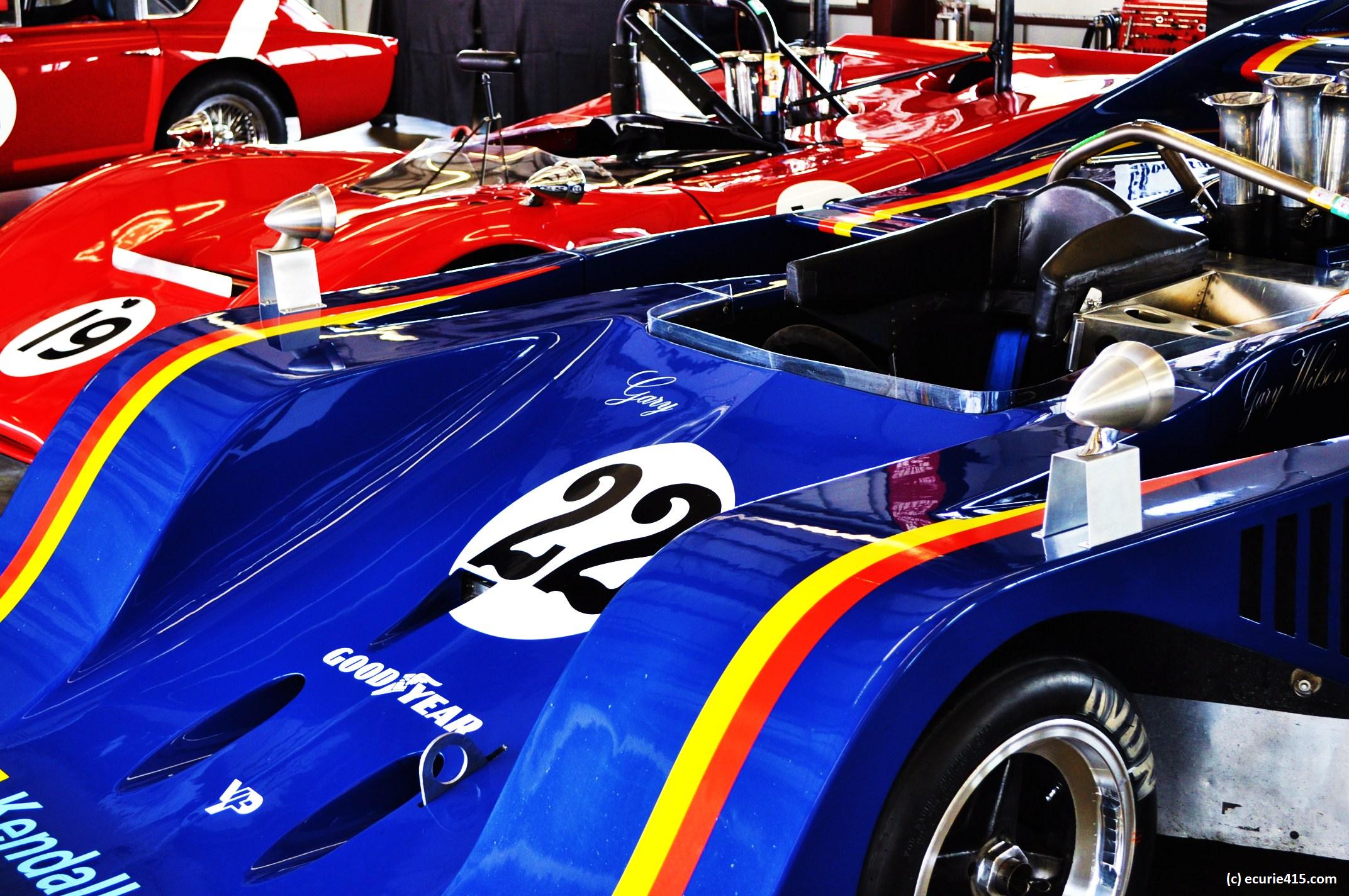
1972 McLaren M8F (below) was a customer car built by Trojan (this chassis was sold to Commander, a mobile home company that briefly went racing). Peter Revson won the 1972 title in a factory M8F.  By this point, the series had tamped down on some of the more lurid aerodynamic devices that Jim Hall and others had devised.

CanAmMcLaren

Shadow began to challenge the bigger teams in 1972, and it dominated the series in 1974.  The 1972 DN2 (below) succeeded the innovative Mk II.  The Mk II, Don Nichols said, “was designed to be two-dimensional – it had length and width, but not height.”

Shadow

CanAm

CSRGGarage


Porsche at Le Mans – Then and Now

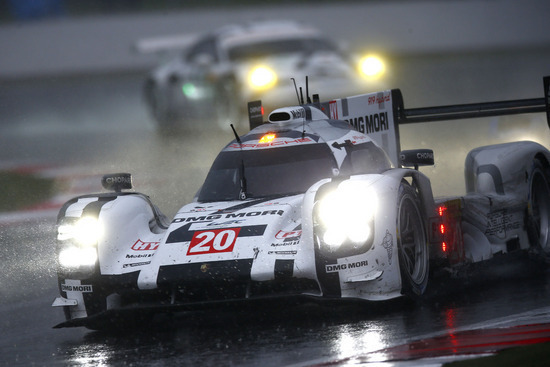
Porsche911RSRGT Porsche’s return to prototype racing at Le Mans did not go as planned: after showing strong pace, Mark Webber retired his 919 hybrid late on Sunday, and the second Porsche wasn’t classified. Both cars experienced teething problems throughout the race, and Audi capitalized to earn its 12th victory at the Circuit de la Sarthe. Toyota finished second in the P1 category; a sister Audi finished third.

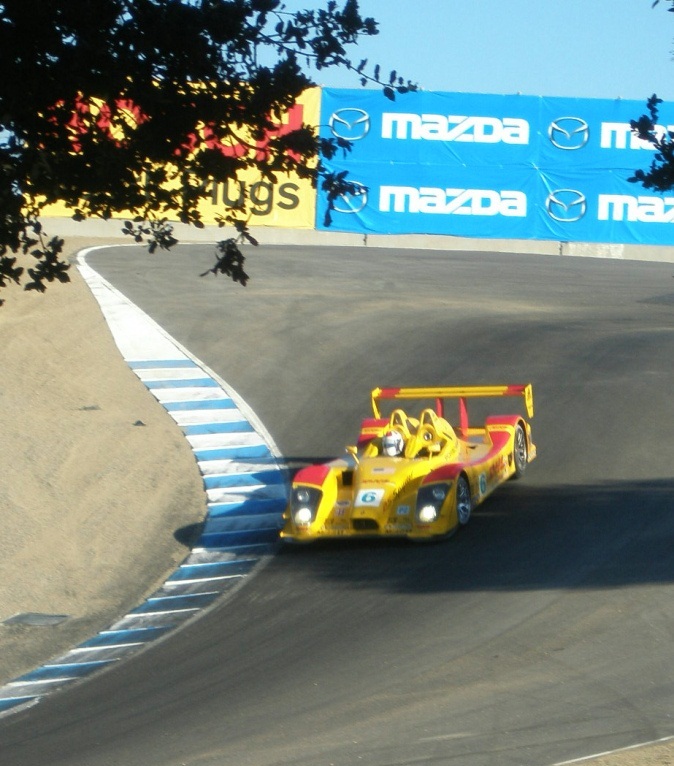
Over the years, Porsche and Le Mans have been synonymous, so Porsche’s return to prototype competition was seen as a return to the good old days. In many ways, Porsche never left.  The 911 GT3 RSR has been a popular GT choice for the last 15 years, certainly since Porsche abandoned its LMP2 program (the Spyder, below).

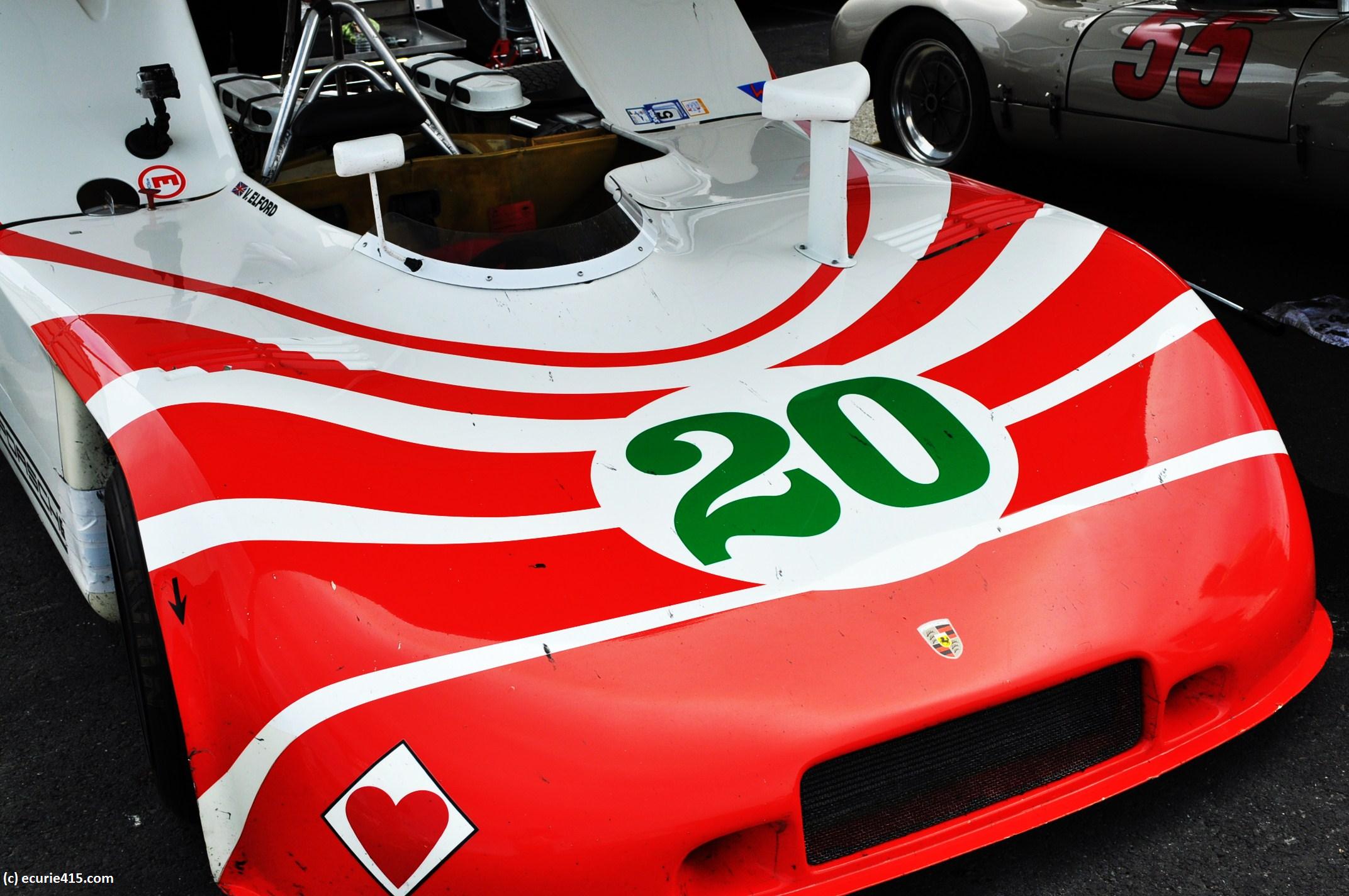
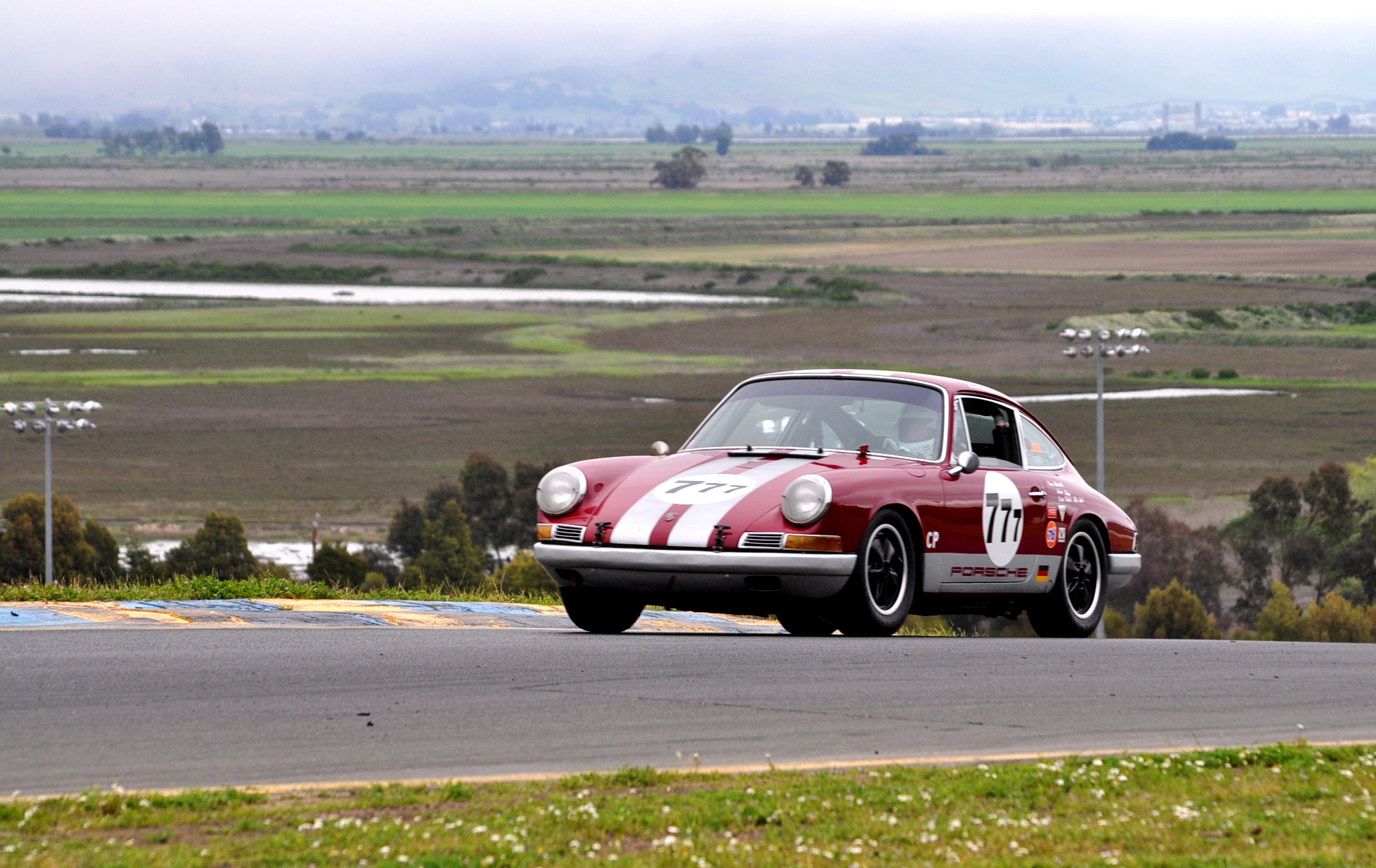
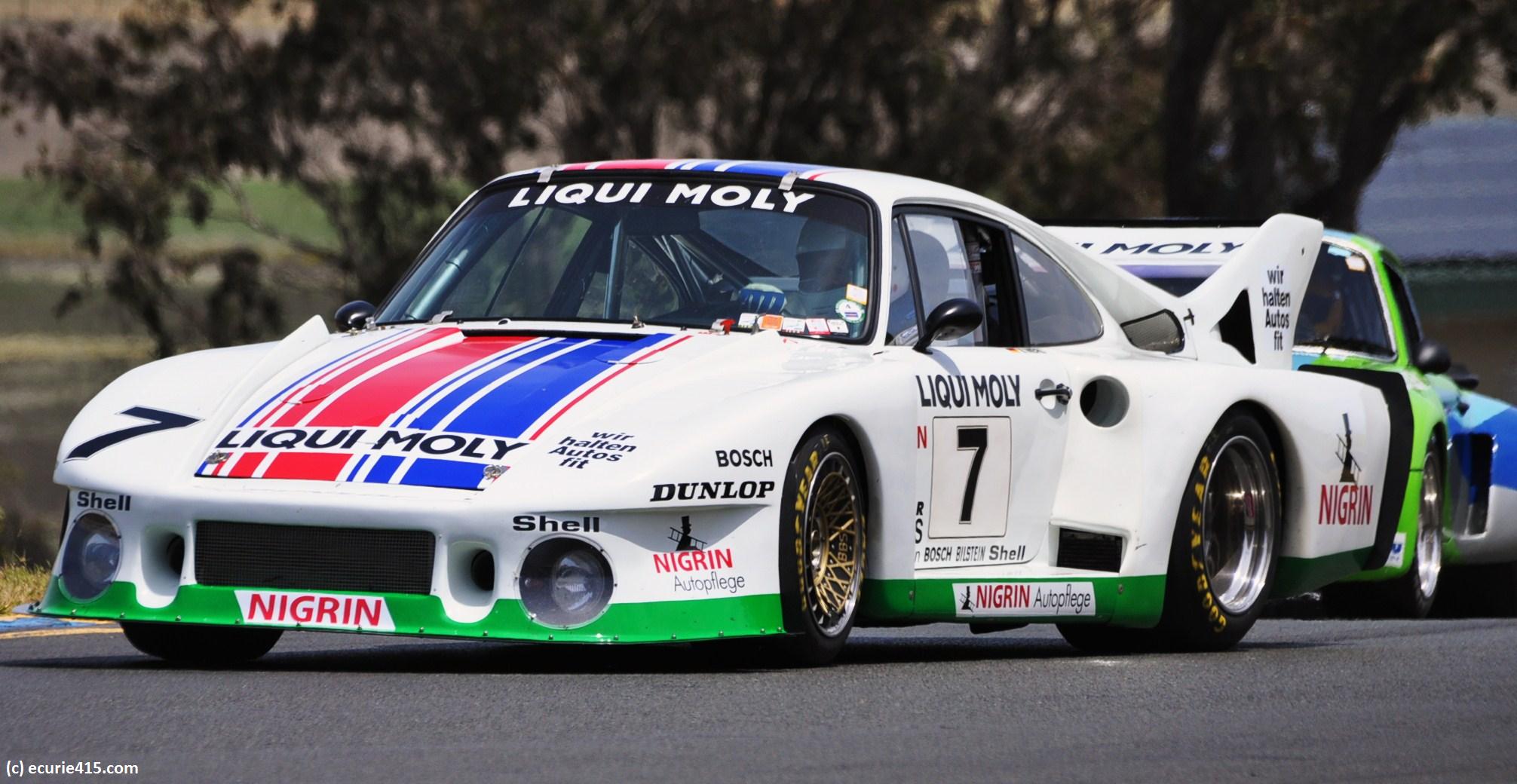
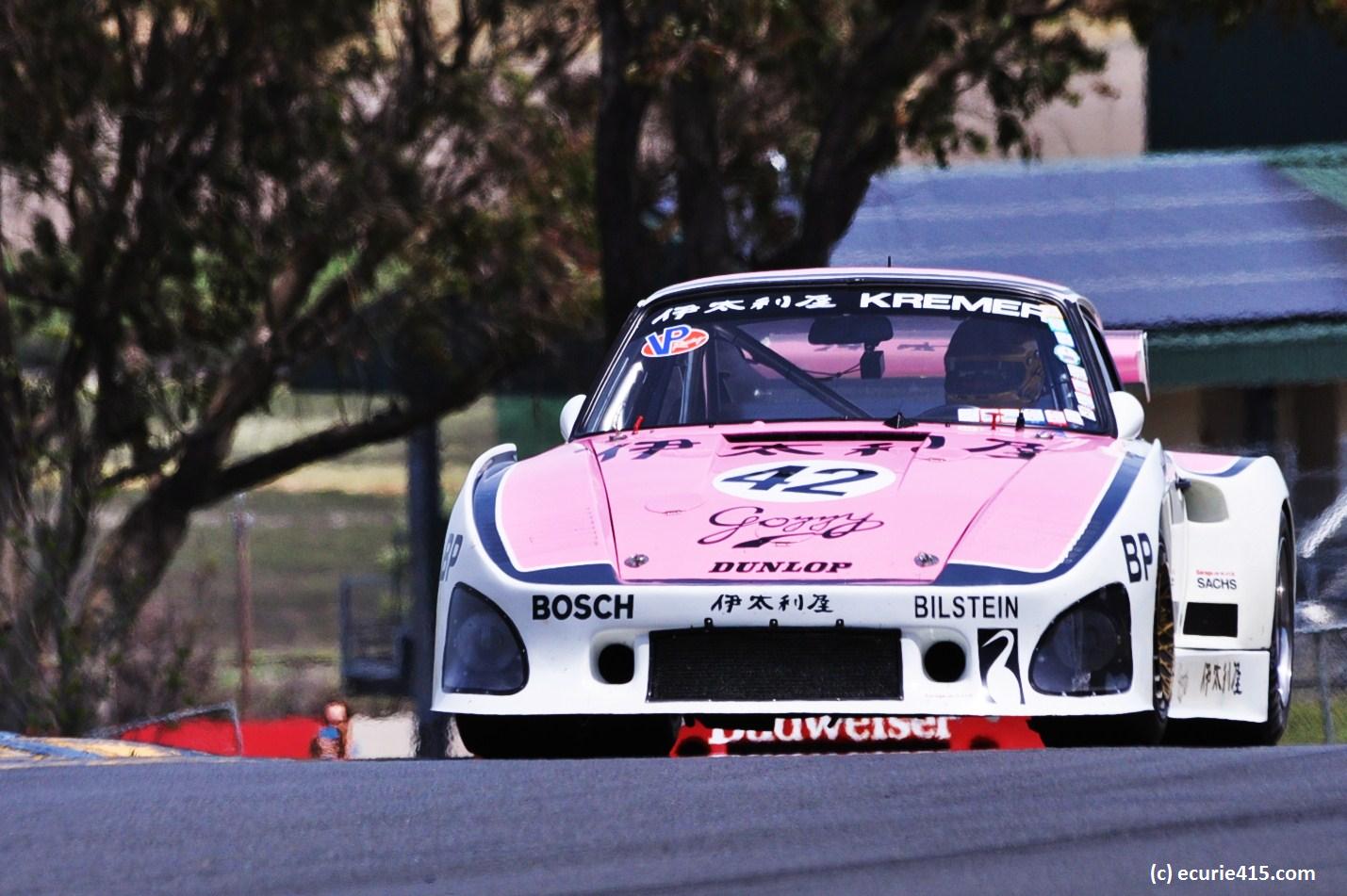
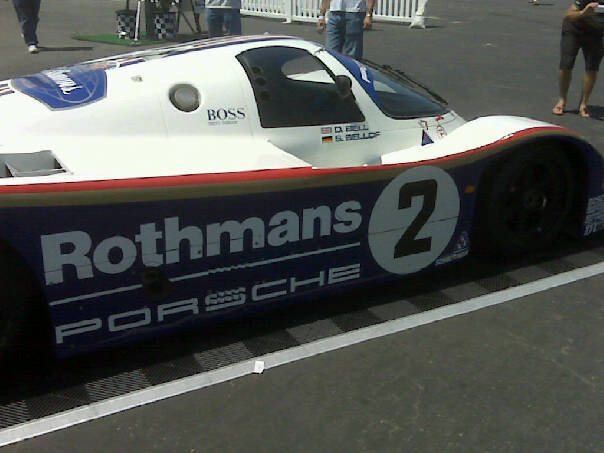
While many view Ferrari as the epitome of a racing team that sells road cars, Porsche’s DNA is no different.  From the 718 RSK to the 908, 910, 911, 935, 936, 956 and the 962 – and now the 919 – Porsche has left an indelible imprint on Le Mans. Although Audi has dominated at Le Mans for the last 15 years, Porsche’s tradition goes back farther, and it’s won with a wider variety of machinery.

Take a look at a few of my favorites, mostly photographed at the Sonoma Historics this year (except where noted).

***
The Porsche 718 RSK was capable of two configurations: as a single seater (with bodywork removed), and as a sports car.  The 1958 version (photographed at the 2011 Sonoma Historics) won its class at Le Mans. DSC_0277 The 910 was derived from the 906, and raced at Le Mans in 1966 and 1967, before the 917. DSC_0560 The 917 was recently featured in our post “Sonoma Standout“.  In 1970, the Shell-liveried 917 gave Porsche its first outright win. The red 917 below was brought by Porsche to the Monterey Historics in 2009. Porsche917gSON14 2009-10-002 The 908/3 (bel0w) was an open-top prototype, a lightweight spyder that raced at Le Mans in 1972. 908-3 The 911 populated the grid from 1966 forward, and proved to be a customer-friendly racing workhouse right up to today (photographed at the 2013 Classic Sports Racing Group season opener). DSC_0585 Porsche 935 was a 911 under the skin, heavily modified by the tuners at Kremer. It took outright honors in 1979. Porsche935K Porsche935 From 1979 to 1986, Porsche utterly dominated at Le Mans with the 935, 936, 956 and 962, winning the race every year from 1979 to 1986 with the exception of 1980 (lo-res original from the 2009 Historics). photo The 2005 LMP2 Spyder was an outright winner and faster than an LMP1 on some days.  Only time will tell whether the new 919 hybrid will return Porsche to its place among Le Mans winners. ??????????????????????????????? The new Porsche 919 (photo via Porsche), a hybrid (but not its first!).  Porsche briefly tested a 911 hybrid in 2011.101